
 Acrylic On CanvasWallArtArt Nouveau
Art Nouveau
Acrylic On CanvasWallArtArt Nouveau
Art Nouveau 189919th Century
 44.0 x 62.0 cm
博物馆级艺术微喷或帆布版画,制作高效,并提供多种饰面选择。 ( 订购此收藏品的纯手工复刻画作 切换至数字图像销售渠道)





























您可以从与原作比例一致的预设尺寸中进行选择。

请输入您所需的宽度和高度,以适配您的画框或墙面。由于印刷品只能进行裁剪,无法超出原图尺寸,因此若比例不一致,画面的一部分将会被裁切。在正式印刷之前,我们会为您发送一份数字效果图供您确认。本页面显示的图片并非最终裁剪后的效果——只有效果图才能展示真实的裁剪情况。
bracelet - -
复刻品尺寸说明
The year is 1899. Paris pulsates with artistic fervor, fueled by the burgeoning Art Nouveau movement—and at its epicenter stands Alphonse Maria Mucha, a Bohemian artist who had irrevocably transformed his aesthetic sensibilities during his formative years in Prague’s Academy.
Mucha’s fascination began with Czech folklore and mythology, specifically tales of Slavic serpents – creatures embodying both primal instinct and divine wisdom. This initial inspiration would become the cornerstone of his signature style: a mesmerizing blend of flowing lines, organic forms, and an undeniable sense of movement that captured the ethereal beauty of the natural world.
His departure for Paris in 1887 wasn’t merely a geographical relocation; it was a deliberate rejection of academic conventions. Mucha sought to liberate art from rigid formalism, embracing instead the expressive potential inherent in curvilinear shapes and vibrant colors—influences he absorbed from Impressionists like Renoir and Moreau.
Mucha’s technique involved meticulous layering of pastel pigments onto textured paper, a process that demanded considerable patience and precision. He skillfully manipulated light and shadow to create illusions of depth and atmosphere—a hallmark of Art Nouveau's ambition to transcend mere representation.
His color palette leaned heavily on muted golds, emerald greens, and sapphire blues – hues chosen not only for their visual appeal but also for their symbolic associations with Slavic traditions. Gold represented prosperity and divine grace, while green symbolized fertility and renewal—elements deliberately incorporated into his artworks to evoke a profound emotional response.
The serpent motif permeated Mucha’s oeuvre, serving as a potent emblem of transformation and regeneration. It wasn't merely decorative; it represented the cyclical nature of life—the constant interplay between darkness and light, death and rebirth.
Perhaps Morecha’s most enduring contribution to Art Nouveau was his portrayal of idealized women – figures draped in flowing robes that seemed to defy gravity, embodying feminine grace and serenity. These depictions weren't simply aesthetically pleasing; they reflected Mucha’s belief in the transformative power of beauty—a conviction rooted in his deep appreciation for Slavic mythology.
"Bracelet," created in 1899, exemplifies Mucha’s artistic vision. The artwork's depiction of a coiled serpent encircling a gemstone speaks volumes about the artist’s preoccupation with symbolism and his masterful command of technique. It stands as a testament to Mucha’s ability to distill complex ideas into visually arresting compositions—capturing not only the splendor of Art Nouveau but also the spirit of Slavic culture.
Reproductions of “Bracelet” continue to inspire interior designers and collectors alike, offering a glimpse into a bygone era of artistic innovation. Its enduring appeal lies in its ability to evoke feelings of elegance, mystery, and profound beauty—a legacy firmly cemented by Mucha’s unwavering commitment to his distinctive style.
莫奈 (Mò Nèi) 的《bracelet - -》 的知名度处于 Iconic 水平。这一分类反映了该作品被广泛认可的程度。
莫奈 (Mò Nèi) 的《bracelet - -》 的记录数值为:亮度 deep_shadow,亮度感 Dark。
您可以在莫奈 (Mò Nèi) 的《bracelet - -》的艺术版画页面直接订购其版画:采用棉质帆布或档案级画布纸制作的艺术版画。

1860 - 1939 , 捷克共和国

Discover the enchanting world of Art Nouveau. Explore the flowing lines of Alphonse Mucha and learn how to integrate these timeless, organic masterpieces into your collection with expert guidance on fine art appreciation and preservation.
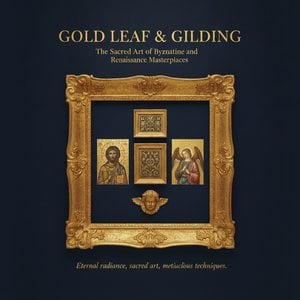
Explore the divine mastery of Byzantine gold leaf and gilding. Discover how ancient artisans used gold ground and mosaics to create celestial light, a timeless legacy of spiritual splendor and technical excellence in sacred art history.

Embark on a visual journey through the world's most radiant masterpieces. Discover how gold leaf, impasto textures, and gilded tones define luxury in fine art, from Byzantine icons to modern abstracts. Explore the eternal allure of gold in curated, museum-quality art collections.

Discover the exquisite world of Art Nouveau. Explore the elegant fusion of nature and design through architectural masterpieces, organic forms, and the legendary masters of the Belle Époque. Immerse yourself in a journey of timeless sophistication and ornamental beauty.


 实景预览
实景预览
 发送
发送 分享
分享
 详情
详情 指南
指南

 下载图片
下载图片
 相似作品
相似作品 X射线
X射线 幻灯片播放
幻灯片播放 统计数据
统计数据 阅读全文
阅读全文









 玻璃选项仅适用于110厘米以下的尺寸。


