免费艺术咨询

x
定制手绘复刻品 定制手绘复刻品购买高清图片 购买高清图片 分享分享
详情详情 加入收藏 加入收藏 下载下载 相似作品相似作品 X射线检测X射线检测 幻灯片播放幻灯片播放

Mary

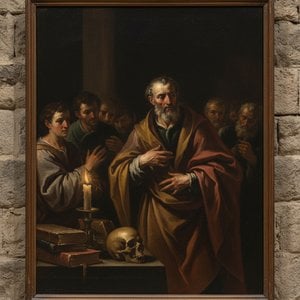
Experience the captivating beauty of Alonso Cano’s ‘Mary,’ a Baroque masterpiece housed at Budapest's Szépmûvészeti Múzeum. Explore its serene composition and profound emotional depth.

探索阿隆索·卡诺(Alonso Cano,1601-1667)的巴洛克雕塑和绘画。这位西班牙大师以格拉纳达地区的宗教作品、建筑和戏剧性场景而闻名。

艺术微喷/版画

博物馆级艺术微喷或帆布版画,制作高效,并提供多种饰面选择。

P118B $10
P118H $10
P118W $10
P438Z $10
P508JH $12
P508YH $12
P805H $10
P805Z $10
P919BZ $10
P919G $10
P919XJ $10
P959ZH $10
P968JZ $12
W106C $8
W218G $10
W218JH $8
W218Y $10
W307PJ $10
W316G $10
W316PJ $8
W316Y $10
W398PJ $8
W4111J $10
W500HY $15
W500JH $15
W692G $12
W849H $8
W940BG $15
W953PJ $8

Standard
custom
CM
INCH

从与原作比例一致的预设尺寸中进行选择。

宽度
高度

您可以输入自定义尺寸,以适配特定的画框或空间。如果您选择的尺寸与原图比例不符,我们将对作品进行裁剪,或通过镜像填充/纯色填充边缘的方式来扩展图像。在开始制作之前,我们会向您发送一份数字效果图供您确认。
请注意,屏幕上的预览并不能反映实际的裁剪或扩展效果。只有效果图才能准确展示最终的构图。
虽然我们提供定制尺寸,但为了保持原图比例,我们建议您从预设列表中选择尺寸。

全球配送(),仅需 2 周即可送达,无需等待标准流程的 4/5 周。(3 July)

why_choose_icon
全球免费特快专递服务
why_choose_icon
优质亚麻画布
why_choose_icon
全程运输保险
why_choose_icon
关税退款保证
why_choose_icon
色彩还原度保证
why_choose_icon
60天退货政策(仅限制造缺陷)
why_choose_icon
100%退款保证
why_choose_icon
多件购买优惠

总计金额

-

reproduction

Mary

艺术微喷/版画

复制品尺寸

-

最终总价

-

作品概览

  • Medium: Oil on canvas
  • Location: Szépmûvészeti Múzeum, Budapest
  • Movement: Baroque
  • Year: 1646-50
  • Artist: alonzo cano
  • Artistic style: Erotic
  • Subject or theme: Religious portrait

藏品详情

A Baroque Revelation: Exploring Alonso Cano’s “Mary”

Alonso Cano’s “Mary,” housed at Budapest's Szépmûvészeti Múzeum, isn’t merely a depiction of the Virgin Mary; it’s an embodiment of the turbulent spirit of Baroque art—a testament to its audacious embrace of emotion and its masterful manipulation of light. Painted in 1646-50, this oil on canvas work represents a pivotal moment in Cano’s oeuvre, showcasing his unparalleled ability to distill profound spiritual contemplation into deceptively simple visual form.

The Artist's Vision: Cano's Bold Experimentation

Guido Cagnacci, Cano’s mentor and fellow innovator, instilled in him a rebellious spirit that would permeate his artistic endeavors. Unlike many of his contemporaries who adhered rigidly to established conventions, Cano actively challenged societal expectations through his art, particularly concerning the portrayal of female figures. “Mary” exemplifies this defiance with its unsettling honesty—a woman lost in reverie, her gaze downward as if grappling with an unspoken truth. This isn’t a passive Madonna; it's a figure wrestling with existential questions, mirroring the anxieties prevalent during Cano’s lifetime – a period marked by religious upheaval and intellectual ferment.

Technique and Style: Baroque Mastery Illuminated

Cano’s technique is characterized by its meticulous attention to detail and its masterful use of chiaroscuro—the dramatic interplay between light and shadow—a hallmark of Baroque painting. The subdued sky serves as a canvas for this luminous effect, casting delicate highlights across Mary's face and drapery, subtly emphasizing her inner turmoil. Layers upon layers of thinly applied paint create an illusionistic depth that draws the viewer into the scene, fostering a palpable sense of intimacy and contemplation. The artist skillfully employs tonal gradations to convey not just visual information but also emotional resonance—a profound stillness punctuated by unspoken yearning.

Historical Context: Spain Under Habsburg Rule

“Mary” emerged during the reign of Philip IV in Spain, a time when the Habsburg monarchy sought to solidify its prestige through artistic patronage. Cano’s work reflects the broader cultural currents of the era – an obsession with religious iconography and a fervent desire to express spiritual fervor. However, unlike many other commissions of the period, “Mary” transcends mere decorative function; it engages in a complex dialogue with theological concepts, prompting viewers to consider themes of faith, doubt, and divine grace. The Szépmûvészeti Múzeum’s acquisition underscores the enduring significance of Cano's artistic legacy—a reminder that beauty can coexist with unsettling psychological depth.

Symbolism: Inner Reflection Embodied

The downward gaze of Mary is laden with symbolic weight. It represents not merely physical posture but also a state of mind—a preoccupation with matters beyond the visible realm, an acknowledgement of the mysteries inherent in human existence. The serene sky serves as a counterpoint to this inner turmoil, suggesting that true understanding requires transcending superficial appearances and delving into the depths of consciousness. Cano’s “Mary” invites contemplation on the nature of spirituality and challenges viewers to confront their own vulnerabilities—a timeless masterpiece that continues to resonate with audiences centuries after its creation.

Emotional Impact: A Moment Frozen in Time

Ultimately, “Mary” succeeds in capturing a fleeting moment of profound emotional intensity—a palpable stillness imbued with unspoken longing. It’s a painting that lingers in the memory long after viewing, prompting reflection on themes of faith and introspection. The Szépmûvészeti Múzeum's careful preservation ensures that this Baroque revelation remains accessible to generations of art lovers—a testament to Cano’s enduring artistic vision and its ability to evoke empathy and wonder.

艺术家简介

圭多·卡尼亚奇:巴洛克时代的谜团

十七世纪的意大利是艺术创新的熔炉,然而在这片充满活力的画卷中,却诞生了一位极其独特而超凡的艺术家——圭多·卡尼亚奇(Guido Cagnacci)。他于1601年出生在圣阿尔坎杰洛(Santarcangelo)这个小村庄。卡尼亚奇的一生和艺术生涯难以用简单的标签来定义,它交织着非凡的天赋与臭名昭著的绯闻色彩。他不仅仅是一位画家;他更像是被编织进那个时代肌理中的一个符号,一位古怪的人物。他的不羁举止——包括私奔、不当行为的指控,甚至涉及年轻学徒的传闻——与其艺术作品一样,成为了他传奇的一部分。他的作品题材大多偏向宗教,其毫不掩饰的色情意味是极具辨识度的标志,这种大胆挑战了当时的主流规范,至今仍令观者为之着迷。

卡尼亚奇的早年时光是在罗马涅(Romagna)磨砺技艺度过的,这是一个以艺术传统闻名的地区。到1618年,他开始在著名的博洛尼亚画派大师门下学习,为自己独特的风格奠定了基础。他在二十世纪二十年代初于罗马的经历,使他进一步接触到了卡拉奇(Carracci)和圭尔奇诺(Guercino)等艺术家的影响,这些艺术家们戏剧性的光影处理和充满活力的构图,无形中塑造了他自身的艺术理念。然而,卡尼亚奇从未完全遵循传统路径;他是一个不安分的灵魂,不断在城市间游荡——从里米尼、福里利、法恩察到威尼斯,最终抵达维也纳——为了躲避法律纠纷,他常常需要使用化名。这种流动的生存状态,反而为他的人生增添了无数关于传闻的色彩,让其本已神秘的面具上又蒙上了一层层迷雾。

尽管他的生平充满了波折与混乱,但卡尼亚奇的艺术作品却展现出风格和题材上的惊人一致性。他的画作以一种在当时宗教艺术中罕见的、感性的张力为特征。他精湛地运用光影对比,营造出极具戏剧性的效果,从而提升了场景的情感冲击力。画面中的人物常常被描绘出慵懒的优雅姿态,他们的身体仿佛蕴含着近乎可触摸的色情气息。但这绝非单纯的肉体诱惑;而是一种经过独特巴洛克式审美过滤后的、对人类之美与欲望的深层探索。在圭多·雷尼(Guido Reni)的影响下,卡尼亚奇发展出了一种独特的风格,它将古典的典雅气质与一种充满生命力、近乎狂热的能量完美地融合在一起。

绯闻生活与艺术的蜕变

卡尼亚奇的一生与“丑闻”紧密地联系在一起。他最臭名昭著的事件之一,就是与一位名叫特奥多拉·阿里安娜·斯蒂维维(Teodora Arianna Stivivi)的富家寡妇发生了非法私奔。为了逃避逮捕和审判,他抛弃了她,逃离了里米尼。这一事件,连同其他诸多传闻,导致了他多年的法律纠纷与指控——其中包括关于他与年轻男性学徒发生不正当关系的谣言。这些故事,尽管往往被夸大,却揭示了一个故意反抗社会期望、游走于传统道德边界之外的男人。必须指出的是,他的同时代人经常利用这些丑闻来诋毁他的艺术声誉,但最终,这些事件反而为他留下了经久不衰的神秘魅力。

他的艺术发展轨迹,则体现出一种风格上的渐进式转变。早期的作品明显带有对雷尼等博洛尼亚大师的致敬,其特点是精致的优雅和平衡的构图。然而,随着他成熟,卡尼亚奇的个人风格愈发突出,开始拥抱更大胆的色彩、更戏剧化的光线处理以及一种更为强烈的感性表达。威尼斯画派的影响在他后期的作品中也显而易见,尤其体现在他对鲜艳色调和动感笔触的运用上。直到二十世纪中期,当他的全部作品被重新发掘时,世人才发现一位曾被不公正地忽视了几个世纪的、复杂而迷人的艺术家。

主要作品与艺术影响

卡尼亚奇最受赞誉的作品,往往以其私密的尺度感和强烈的戏剧张力为特征。《忏悔的玛格丽特》(Repentant Magdalene)(约1660-63年),目前收藏于帕萨迪纳诺顿·西蒙艺术基金会,完美地诠释了他标志性的风格——这是宗教题材与感性之美的一次大师级融合。他对圣玛格丽特描绘的形象尤为引人注目,她常常被赋予一种迷人的脆弱感和近乎挑衅的眼神。其他重要的作品还包括《圣母子》、《圣塞巴斯蒂安》以及遍布罗马涅和威尼斯的众多祭坛画。

卡尼亚奇的艺术影响源流是多元且复杂的。虽然他明显钦佩过卡拉奇、圭尔奇诺和雷尼的作品,但他的风格最终超越了这些先例。他吸收了威尼斯绘画中的元素——特别是色彩和光线的运用——但又注入了自己独特而浓郁的意大利情怀。他的作品还流露出对古典古代的热爱,这体现在许多画作中理想化的身形和平衡的构图之中。

历史意义与不朽的遗产

尽管他在1663年去世后,其作品曾被世人遗忘了数个世纪,但卡尼亚奇在二十世纪中叶的重现,标志着意大利巴洛克艺术史上一个重要的转折点。他那非传统的生命经历和挑衅性的风格,挑战了人们对美与道德的传统认知;而他的艺术成就,则展示了他对技巧和构图令人惊叹的掌控力。如今,卡尼亚奇被公认为十七世纪最原创、最神秘的人物之一——一位敢于在宗教艺术框架内探索人类欲望复杂性的艺术家。

他的作品至今仍因其感性的张力、戏剧化的光影以及对色彩的大师级运用而受到研究和赞赏。卡尼亚奇的遗产,不仅体现在他单件的画作上,更在于他那份激发思考的能力,促使观者重新审视自己对于美、道德乃至人类生存状态的固有认知。

阿隆索·卡诺

阿隆索·卡诺

1601 - 1667 , 西班牙

艺术家简介

  • Artistic Movement Or Style: 博洛尼亚画派
  • Artists Or Movements Influenced By This Artist: ['巴洛克']
  • Artists Who Influenced This Artist: ['圭多·雷尼']
  • Date Of Birth: 1601
  • Date Of Death: 1663
  • Full Name: 圭多·卡尼亚奇
  • Nationality: 意大利
  • Notable Artworks: ['忏悔的玛格丽特']
  • Place Of Birth: 意大利,桑塔卡兰杰洛