
获取远超网页预览效果的印刷级文件。我们销售的每一张数字图像均源自库存数据库中的高分辨率母版——宽度通常在 5,000 至 15,000 像素之间——因此您可以放心地进行大幅打印、局部裁剪或还原细腻的细节。
每一件作品在离开我们的工作室前都经过了精心的处理。数字影像专家会对照原作核对色彩,并在必要时进行校正,随后利用专业修图工具提升清晰度与细节表现——且始终忠实于艺术家的笔触与风格。最终呈现的图像宛如原作本身,而非仅仅是一张加了滤镜的扫描件。
您可以在最终定稿前进行审核:我们的专家将在 72 小时内通过电子邮件向您发送图像以供审阅。如果不满意?您可以要求改进或修正;若质量未达预期,亦可申请退款。
这也是出版商、设计工作室、画廊及印刷厂所信赖的品质。
选择 WahooArt.com,您获得的不仅仅是一张图像——您收到的是经过专业级增强、精雕细琢的数字艺术作品,并享有满意保证。以下是您的订单中自动包含的所有内容:
您的高分辨率数字图像文件将在下单后 72 小时内通过电子邮件发送给您 —— 即可立即使用。
您的艺术品经过专业优化,结合先进的 AI 技术与人工修饰,确保呈现极致的细节、清晰度与色彩准确度。
不小心删除了文件或找不到了?没关系——我们将随时为您免费重发。
即刻拥有您的艺术作品,无需支付任何关税、税费或运费——数字下载始终免税。
我们通过专业工具与色彩管理技术,确保您的数字图像尽可能真实地还原原作色彩。
如果您对所购数字图像不满意,我们将在100天内为您进行修改或提供100%的全额退款——无需任何理由。
不满意?在收到数字文件后的100天内,您可以申请全额退款——无需任何理由。
购买 3 张享 10% 折扣 - 购买 5 张享 15% 折扣 - 购买 10 张以上享 20% 折扣。非常适合创意项目、画廊及机构使用。
In the quietude of 1940, Allan Randall Freelon captured a moment of profound tranquility in his evocative work, Harbor. This waterfront scene serves as more than just a depiction of maritime life; it is an invitation into a world where time seems to slow, allowing the viewer to breathe in the salt air and the gentle rhythm of the tides. The painting features two primary sailboats docked closely at a pier, their masts reaching toward the sky like silent sentinels of the sea. As the eye wanders through the composition, smaller vessels emerge from the soft background, creating a magnificent sense of depth that draws the observer deeper into the heart of the bay. This layering of boats provides a structural complexity that anchors the scene, offering a rich tapestry of maritime geometry.
The true soul of the piece, however, lies in its subtle infusion of human presence. Three figures are scattered across the canvas—one near the left periphery, one anchored toward the center, and another resting on the right. These individuals are not mere subjects but vital components of the narrative, breathing life and a sense of communal activity into the stillness of the harbor. Their placement suggests a shared, quiet experience of the landscape, transforming a simple seascape into a living, breathing social tableau. For the collector or interior designer, this presence of humanity adds an emotional warmth that makes the artwork feel inhabited and deeply relatable.
As a pioneer of Harlem Renaissance Impressionism, Allan Randall Freelon utilized light and color to evoke atmosphere rather than mere documentation. In Harbor, the technique reflects the artist's mastery over the Impressionist tradition, where brushstrokes are used to capture the shimmering reflections on the water and the soft, diffused glow of the daylight. The interplay between the solid forms of the docked boats and the fluid, light-drenched background creates a visual harmony that is both soothing and intellectually stimulating. This style allows the painting to function beautifully in various interior settings, acting as a window of light and calm within a room.
To possess a reproduction of this work is to hold a piece of African American art history. Freelon’s ability to blend the technical rigor of Impressionism with the evocative themes of his era provides a sophisticated layer of meaning for any discerning art lover. The painting does not demand attention through loud colors or jarring movements; instead, it commands respect through its balance, its historical weight, and its ability to evoke a sense of peace. It is an ideal selection for those seeking to introduce a touch of classical elegance and historical depth into a curated space, offering a timeless aesthetic that transcends the decades.
"Harbor" 由 Allan Randall Freelon 以 Impressionism 流派风格创作而成。艺术家与艺术流派共同定义了作品的传承。
"Harbor" 属于 Impressionism 流派,其创作者活跃于 Modern 时期。
Allan Randall Freelon 的《Harbor》 的色调被描述为 Earthy,这简练地概括了作品的色彩特征。

In the vibrant tapestry of the Harlem Renaissance, few threads are as luminous and technically refined as those woven by Allan Randall Freelon. A native of Philadelphia, born in 1895 into a family defined by academic achievement, Freelon emerged not merely as an observer of his era, but as a pioneering force who bridged the gap between classical European techniques and the burgeoning Black aesthetic of early twentieth-century America. His life was a testament to the power of artistic excellence as a tool for social progress, blending the delicate light of Impressionism with a profound dedication to education and civil rights.
Freelon’s journey through the world of art was marked by an unrelenting pursuit of mastery. His formal training was deeply rooted in the institutions of his beloved Philadelphia, including the Pennsylvania Museum and School of Industrial Art and later the Tyler School of Art at Temple University. This rigorous academic foundation allowed him to command a variety of media, from the soft, atmospheric strokes of oil on canvas to the intricate precision of printmaking. He sought mentorship from the masters of his time, studying privately with renowned printmakers such as Earl Hoster and Dox Thrash, which helped him become the first African American member of the prestigious Print Club of Philadelphia in 1921.
While many artists of the Harlem Renaissance focused on the urban rhythms of jazz and city life, Freelon often found his muse in the serene, shifting qualities of the natural world. His work is celebrated for its evocative use of light, capturing the ephemeral beauty of American landscapes with an Impressionist sensibility that felt both timeless and modern. One of his most poignant subjects was the Gloucester harbor in Massachusetts; through his eyes, the waterfront became a stage for dancing reflections and tranquil sailboats, demonstrating an ability to translate the movement of water and air into tangible emotion.
His technical prowess extended far beyond the canvas. As a skilled lithographer, Freelon possessed a unique ability to manipulate shadow and line, creating works that resonated with the same depth as his paintings. This versatility allowed him to navigate different artistic circles, from the local Philadelphia exhibitions at the Pyramid Club to broader national recognition. His art did not merely document scenery; it captured the very essence of a changing America, using the soft focus of Impressionism to invite viewers into a world of quiet contemplation and grace.
Beyond the studio, Allan Randall Freelon’s impact on the American cultural landscape was profound and structural. He was a man of immense civic responsibility, serving as a Second Lieutenant in the U.S. Army during World War I before dedicating his life to the upliftment of others through art education. His appointment as the assistant director of art education for the Philadelphia School District was a landmark achievement, marking him as the first African American to hold such a significant supervisory role within the city's educational system.
This commitment to mentorship ensured that his influence would ripple through generations. By teaching lithography at the Philadelphia Museum of Art and shaping curriculum in public schools, he helped cultivate a new era of diverse artistic voices. His life was a seamless blend of creative expression and social advocacy, proving that the brushstroke could be just as powerful as the protest. Today, we remember Freelon not only as a master of light and color but as a foundational figure whose academic rigor and trailblazing spirit helped secure a place for African American excellence in the annals of American art history.
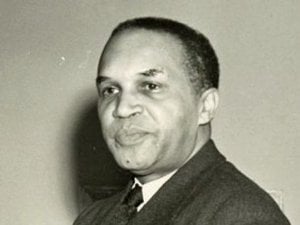
1895 - 1960 , United States of America

 实景预览
实景预览
 切换至版画销售渠道
 分享
分享 分享
分享
 详情
详情 指南
指南

 下载作品
下载作品
 相似作品
相似作品 X射线
X射线 幻灯片播放
幻灯片播放 问答
问答
 统计数据
统计数据


 展开全文
展开全文


