
由我们的艺术家按需定制,为您提供您所选尺寸及画框的布面手工油画。 ( Switch to Print Switch to Digital Image)
从与原作比例一致的预设尺寸中进行选择。

您可以输入自定义尺寸,以适配特定的画框或空间。如果所选尺寸与原图比例不符,我们将通过裁剪作品或添加手绘元素来扩展画面。数字样稿将在制作开始前发送给您确认。
请注意,屏幕预览无法准确反映实际的裁剪或扩展效果,只有样稿才能真实呈现最终的构图。
虽然我们提供定制尺寸服务,但为了保留原作比例,建议您从预设列表中选择尺寸。

Harbour Scene
复制品尺寸

The 1920s, an era often dubbed the “Jazz Age,” wasn’t merely defined by flappers and speakeasies; it was a crucible for artistic innovation. Emerging from the shadows of World War I, a profound shift occurred in how artists perceived their role and the very nature of art itself. This decade witnessed a rejection of rigid academic traditions and an embrace of experimentation, leading to movements like Dadaism, Surrealism, and the spectacular rise of Art Deco – all profoundly shaping the visual landscape of the time. Our focus today centers on an artist who not only navigated this turbulent period but also became a significant contributor to its vibrant artistic expression.
While specific biographical details remain sparse—the artist’s birthdate is unknown, and their life was largely lived in relative obscurity – we can reconstruct a compelling picture of their journey through the lens of their work. Born around 1920, this artist emerged during a time of immense social and technological change. The economic prosperity following the war fueled a desire for novelty and a willingness to challenge established norms. This atmosphere fostered an environment where artists felt liberated to explore new forms of expression, pushing boundaries and questioning conventional aesthetics.
The early years of this artist’s career were deeply influenced by the revolutionary spirit of Dadaism. This movement, born in Zurich as a reaction against the perceived horrors of World War I, embraced absurdity, chance, and anti-art principles. The artist's initial works demonstrate a clear engagement with Dadaist techniques – fragmented compositions, jarring juxtapositions, and a deliberate rejection of traditional beauty. This period saw an exploration of unconventional materials and methods, reflecting a desire to dismantle established artistic values.
However, the artist quickly moved beyond the purely nihilistic tendencies of Dadaism, incorporating elements of Surrealism into their practice. Inspired by the dreamlike imagery of Sigmund Freud’s theories on the unconscious mind, they began to explore subconscious desires and irrationality in their work. This shift is evident in a move towards more symbolic representations and a heightened focus on emotional expression. The influence of Marcel Duchamp's readymades—ordinary objects presented as art—also proved pivotal, prompting the artist to question the very definition of what constitutes “art.”
As the 1920s progressed, the artist became increasingly drawn to the burgeoning style of Art Deco. This opulent and glamorous aesthetic, characterized by geometric patterns, streamlined forms, and a fascination with both ancient Egyptian motifs and industrial technology, perfectly captured the spirit of the era’s optimism and progress. Art Deco represented a deliberate break from the ornate excesses of Victorian design, embracing modernity and celebrating the dynamism of the machine age.
The artist's engagement with Art Deco is particularly evident in their portraits and decorative works. They skillfully employed bold colors, intricate patterns, and stylized figures to create images that were both visually striking and imbued with a sense of sophistication and glamour. Their work reflected the rise of consumer culture and the fascination with luxury goods – automobiles, radios, and fashionable clothing – that defined the decade.
Despite a relatively quiet life, this artist’s contribution to the 1920s art scene is significant. They were recognized as a key figure in the development of Art Deco style, particularly within the realm of portraiture and decorative design. Their work appeared in prominent publications and was exhibited alongside other leading artists of the time.
While their individual fame may have been limited during their lifetime, the artist’s influence can be seen in the works of subsequent generations of artists. Their willingness to experiment with new forms of expression, challenge conventional aesthetics, and embrace the spirit of modernity paved the way for many of the artistic movements that followed. The artist's legacy lies not only in their individual creations but also in their role as a catalyst for change within the broader art world – a testament to the transformative power of creativity during a pivotal moment in history.
To delve deeper into the context of this artist’s work, consider exploring resources such as:

1920 - 2001 , United States of America
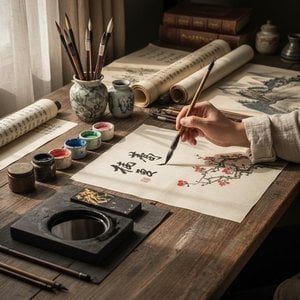
Embark on a sophisticated exploration of ink wash painting and Sumi-e. Uncover the profound historical lineages, Zen philosophies, and technical mastery behind this timeless medium in our authoritative guide for fine art enthusiasts.

Embark on a profound journey through the soul of Chinese calligraphy. Explore the historical mastery of ink, brush, and script, from ancient Zhuanshu to elegant running script, and discover how this timeless art form reflects the enduring spirit of classical East Asian aesthetics.

Explore the profound artistry of graphite drawing. Discover professional techniques for mastering depth, texture, and detail through a lens of art history, from classical sketches to modern masterpieces. Elevate your understanding of the pencil medium with our expert guide.

Discover the sophisticated mastery of graphite drawing. Explore expert techniques for achieving profound depth, intricate texture, and hyper-realistic detail through the alchemy of carbon, curated for the discerning art enthusiast and professional collector.

Elevate your artistic practice with this expert guide to mastering the line. Discover advanced techniques in graphite, charcoal, and contour drawing designed for art students seeking technical precision and expressive depth in their fine art studies.


 效果预览
效果预览
 分享
分享 分享
分享
 详情
详情

 下载
下载
 相似作品
相似作品 X射线
X射线 幻灯片播放
幻灯片播放 Stats
Stats


 展开详情
展开详情






































 玻璃选项仅适用于110厘米以下的尺寸。


