由我们的艺术家按需定制,为您提供您所选尺寸及画框的布面手工油画。 ( 切换至版画销售渠道 切换至数字图像销售渠道)





























从与原作比例一致的预设尺寸中进行选择。

您可以输入自定义尺寸,以适配特定的画框或空间。如果所选尺寸与原图比例不符,我们将通过裁剪作品或添加手绘元素来扩展画面。数字样稿将在制作开始前发送给您确认。
请注意,屏幕预览无法准确反映实际的裁剪或扩展效果,只有样稿才能真实呈现最终的构图。
虽然我们提供定制尺寸服务,但为了保留原作比例,建议您从预设列表中选择尺寸。

LE MARCHAND D'ORANGES
复制品尺寸
In the heart of the mid-19th century, as Europe turned its gaze toward the mysterious and sun-drenched landscapes of the East, Alexandre Gabriel Decamps emerged as a visionary storyteller. His masterpiece, “Le Marchand d’Oranges,” painted between 1842 and 1845, serves as a breathtaking portal into the burgeoning Romantic movement. This oil on canvas, currently held in the prestigious Louvre Museum, does more than merely depict a marketplace; it captures the very soul of Orientalism. Decamps, a pioneer of this genre, moved beyond the rigid classical themes of his era to embrace the vibrant, often perilous allure of Persia, Egypt, and Morocco. Through his eyes, we are transported to a bustling Mediterranean or Middle Eastern bazaar, where the air feels thick with the scent of citrus and the hum of commerce.
The composition is a masterclass in balanced vitality. At the center of this urban tapestry sits a stall overflowing with a bountiful harvest of oranges, their bright hues acting as a focal point amidst a sea of earthy tones. Behind this abundance stands a merchant who embodies a sense of quiet dignity, a steady presence amidst the swirling activity of the market. A young child attends to him, adding a tender layer of domesticity to the scene. The background, with its hazy sky and distant architecture, provides a sense of profound depth, inviting the viewer to wander further into this imagined world. It is a scene that celebrates community and the rhythmic pulse of daily life, making it an ideal centerpiece for any collection seeking to evoke warmth and worldly sophistication.
While Decamps’ subject matter leans toward the exotic, his technical execution reveals a sophisticated precursor to Impressionism. He utilized naturalistic lighting to define form and texture, casting soft shadows that breathe life into the stone walls and wooden structures of the marketplace. His technique involved a meticulous layering of brushstrokes—a hallmark of Romanticism—which creates a rich, tactile surface. This method allows the viewer to appreciate the ruggedness of the fabrics and the weathered surfaces of the stalls, lending an undeniable sense of realism to the work.
The color palette is a deliberate study in harmony, dominated by warm, earthy pigments accented by muted blues and greens. This careful selection of tones ensures that while the oranges pop with life, they remain integrated into the atmospheric haze of the setting. For the discerning collector or interior designer, this painting offers a unique versatility; its grounded palette allows it to anchor a room with historical weight, while its luminous light can brighten a space with an air of timeless elegance. To possess a reproduction of such a piece is to bring a fragment of history’s most romantic era into the modern home, offering a constant source of visual and emotional inspiration.
Beyond its surface beauty, “Le Marchand d’Oranges” carries a profound symbolic weight that resonates long after the first glance. The abundance of fruit is not merely a depiction of trade; it serves as a potent symbol of prosperity, fertility, and the sustenance provided by the earth. Yet, beneath this celebration of life, there exists a subtle, haunting melancholy—a characteristic touch of Decamps. There are whispers of the passage of time and a quiet contemplation on mortality that permeate the atmosphere, reminding us of the fleeting nature of both beauty and life.
This duality—the vibrant energy of the market contrasted with a deeper, more reflective mood—is what gives the artwork its enduring emotional impact. It is a painting that invites conversation and introspection. Whether viewed as a celebration of cultural exchange or a meditation on the human condition, it remains a captivating triumph of 19th-century art. For those looking to curate an environment filled with depth and narrative, this work stands as an incomparable choice, bridging the gap between the historical exoticism of the past and the refined aesthetics of the present.


1803 - 1860 , 法国

Explore the rich history & techniques of oil painting – from Renaissance masters to Impressionism. Discover pigments, layering methods, and why this timeless medium endures. Expert insights for artists & art enthusiasts.
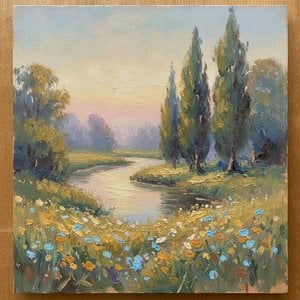
Discover the profound intimacy of oil on panel. Explore how Impressionist masters used rigid supports to capture light, texture, and impasto depth through exquisite, handmade oil reproductions for discerning collectors.

Discover the profound emotional depth of Impressionist and Post-Impressionist masterpieces. Explore how legends like Monet, Van Gogh, and Gauguin captured light and soul through evocative landscapes and vibrant brushwork for a timeless connection to art history.

Discover the ethereal beauty of Impressionist nightscapes. Explore how masters like Monet and Van Gogh captured moonlight through luminous oil textures. Expert insights for collectors seeking museum-quality, handmade reproductions to transform their homes with timeless nocturnal magic.
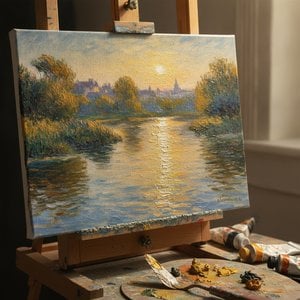
Discover the enchanting alchemy of Impressionism. Explore how the mastery of oil on canvas, through glazing and impasto, captures eternal light and emotion. Perfect for lovers of Monet and Van Gogh seeking the profound depth of hand-painted fine art.


 效果预览
效果预览
 分享
分享 分享
分享
 详情
详情

 下载
下载
 相似作品
相似作品 X射线
X射线 幻灯片播放
幻灯片播放 统计数据
统计数据


 展开详情
展开详情









 玻璃选项仅适用于110厘米以下的尺寸。