
 Oil On CanvasWallArtAcademic Realism
 184819th Century
 19.0 x 23.0 cm
 法布尔博物馆
博物馆级艺术微喷或帆布版画,制作高效,并提供多种饰面选择。 ( 购买手绘画作 切换至数字图像销售渠道)





























从与原作比例一致的预设尺寸中进行选择。

您可以输入自定义尺寸,以适配特定的画框或空间。如果您选择的尺寸与原图比例不符,我们将对作品进行裁剪,或通过镜像填充/纯色填充边缘的方式来扩展图像。在开始制作之前,我们会向您发送一份数字效果图供您确认。
请注意,屏幕上的预览并不能反映实际的裁剪或扩展效果。只有效果图才能准确展示最终的构图。
虽然我们提供定制尺寸,但为了保持原图比例,我们建议您从预设列表中选择尺寸。

The Evening Angel
复制品尺寸
Alexandre Cabanel's "The Evening Angel," painted in 1848, isn’t merely a depiction of an angel; it’s a carefully constructed tableau of contemplative grace and profound serenity. Within its modest dimensions – just 19 x 23 centimeters – resides a world of quiet introspection, inviting the viewer into a space where earthly concerns momentarily recede and the divine whispers are heard. The painting immediately establishes a mood of hushed reverence, achieved through a masterful orchestration of light, color, and pose. Cabanel, a leading figure in the French academic art movement, expertly employs his signature technique – smooth, polished brushstrokes and meticulous detail – to create an image that feels both timelessly classical and deeply affecting.
(Image: The Evening Angel, 1848, by Alexandre Cabanel - Source: WikiArt)
The angel’s posture is the heart of the painting's power. Seated upon a simple rock, she’s not actively engaged in any action; instead, her head rests gently in her hands, suggesting a state of profound thought or perhaps even sorrow. This isn’t a dramatic pose of suffering, but rather one of quiet contemplation—a moment of vulnerability and introspection. Her crossed legs convey a sense of groundedness and relaxation, while the flowing drapery around her adds to the feeling of ethereal beauty and movement. The subtle use of light – diffused and soft – washes over the scene, creating an atmosphere of tranquility and highlighting the angel’s delicate features. Notably, the composition is balanced; the rock serves as a stable foundation for the figure, mirroring the serenity she embodies.
The background, a simplified skyline rendered in muted blues and purples, provides a sense of depth without distracting from the central subject. It's not a detailed landscape but rather an atmospheric backdrop that reinforces the painting’s mood of quiet reflection. The color palette is deliberately restrained, dominated by cool tones that contribute to the overall feeling of peace and serenity.
Cabanel's "The Evening Angel" emerged during a pivotal period in French art history – the mid-19th century. The academic style, characterized by its emphasis on classical ideals of beauty, meticulous technique, and historical or mythological subjects, was at its height. However, beneath this formal facade lay a burgeoning Romantic spirit, seeking to capture emotion and individual experience. Cabanel skillfully navigated these currents, creating an image that embodies both the rigorous training of the academy and the yearning for emotional depth characteristic of the Romantic movement. The painting’s focus on introspection aligns with the Romantic interest in the inner life, while its technical mastery reflects the academic tradition.
Interestingly, a year prior to “The Evening Angel,” Cabanel created "The Fallen Angel," depicting Lucifer after his descent from Heaven. This earlier work reveals a fascination with angelic subjects and their emotional complexity – a theme that is powerfully echoed in this later piece. The juxtaposition of these two paintings highlights Cabanel’s evolving artistic vision, demonstrating his ability to explore both the grandeur and the vulnerability of divine beings.
“The Evening Angel” remains a compelling work not only for its aesthetic beauty but also for its enduring psychological resonance. It speaks to our universal desire for peace, contemplation, and connection with something larger than ourselves. Its influence can be seen in countless subsequent works of art that explore themes of spirituality, introspection, and the human condition. Today, reproductions of this masterpiece are readily available, allowing viewers to experience its serenity and beauty within their own homes. For those seeking a piece that embodies both classical elegance and profound emotional depth, “The Evening Angel” by Alexandre Cabanel offers a timeless invitation to pause, reflect, and find solace in the quiet grace of the divine.


1875 - 1889 , 法国

Discover the enduring legacy of oil on board painting. Explore how historical techniques, rich impasto textures, and structural durability create timeless masterpieces that bridge Renaissance grandeur with modern art collecting excellence.

Explore the profound secrets of classical oil painting. From the delicate mastery of glazing to the dramatic depth of chiaroscuro, discover the timeless techniques used by Old Masters to create enduring, museum-quality masterpieces that capture light and emotion.

Discover the enduring allure of oil on canvas. Explore how master techniques like impasto and glazing create the depth, texture, and emotional resonance found in the world's greatest masterpieces. An essential guide for fine art enthusiasts and discerning collectors.
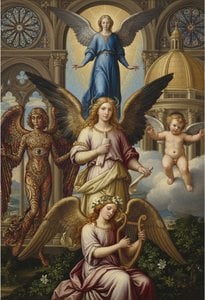
Explore the profound beauty of angelic figures in art history. From Renaissance masterpieces to celestial symbolism, our expert guide offers a sophisticated journey through the divine imagery of the Old Masters for discerning collectors and art enthusiasts.

Discover the profound allure of oil on canvas. Explore the mastery of impasto textures, the science of pigment longevity, and expert guides to selecting museum-quality reproductions that elevate your collection with timeless elegance and tactile depth.


 效果预览
效果预览
 分享
分享 分享
分享
 详情
详情

 下载
下载
 相似作品
相似作品 X射线
X射线 幻灯片播放
幻灯片播放 统计数据
统计数据 展开详情
展开详情









 玻璃选项仅适用于110厘米以下的尺寸。


