
 Tempera On PanelEarly Renaissance
 1447
1447 167.0 x 137.0 cm
 乌菲兹美术馆
由我们的艺术家按需定制,为您提供您所选尺寸及画框的布面手工油画。 ( 切换至版画销售渠道 切换至数字图像销售渠道)





























从与原作比例一致的预设尺寸中进行选择。

您可以输入自定义尺寸,以适配特定的画框或空间。如果所选尺寸与原图比例不符,我们将通过裁剪作品或添加手绘元素来扩展画面。数字样稿将在制作开始前发送给您确认。
请注意,屏幕预览无法准确反映实际的裁剪或扩展效果,只有样稿才能真实呈现最终的构图。
虽然我们提供定制尺寸服务,但为了保留原作比例,建议您从预设列表中选择尺寸。

Annunciation
复制品尺寸
Alessio Baldovinetti’s “Annunciation,” painted in 1447, offers a captivating window into the heart of early Florentine Renaissance art and religious devotion. This exquisite work, measuring 167 x 137 cm, transcends a simple depiction of a biblical event; it embodies the burgeoning humanist ideals and artistic innovations that defined the era. The scene portrays the pivotal moment when the Archangel Gabriel announces to Mary that she will conceive and bear the son of God. Baldovinetti masterfully captures this sacred encounter within an opulent interior setting, showcasing both his technical prowess and deep understanding of religious symbolism.
Baldovinetti’s style is firmly rooted in the Florentine tradition, characterized by a refined use of clear, almost sharp lines and meticulous attention to detail. This painting exemplifies this approach, with each element rendered with remarkable precision – from the delicate folds of Mary's garments to the intricate patterns adorning the room. The artist employs tempera on panel, a common medium for Renaissance paintings, allowing for vibrant colors and fine detailing. Noticeable is Baldovinetti’s attempt at perspective; he creates a sense of depth by setting the scene under a portico, cleverly using the tops of trees visible above the surrounding wall to establish a background plane. This demonstrates an early exploration of linear perspective, a key development in Renaissance art that aimed to create more realistic and immersive depictions of space.
Beyond its technical brilliance, “Annunciation” is rich in symbolic meaning. The red wall behind Mary and Gabriel serves as a powerful backdrop, often associated with royalty and divine power. The potted plants scattered throughout the room symbolize fertility and new life, foreshadowing the miraculous conception. While traditional depictions of the Annunciation portray Mary with an expression of surprise or awe, Baldovinetti presents her in a more restrained pose, almost ritualistic – a subtle departure that reflects the evolving artistic sensibilities of the time. The presence of two angels in the background reinforces the divine nature of the event and acts as witnesses to this momentous occasion. The composition itself is carefully balanced, drawing the viewer's eye to the central interaction between Mary and Gabriel, emphasizing the gravity and sanctity of their exchange.
Painted during a period of significant artistic and intellectual flourishing in Florence, “Annunciation” reflects the city’s growing patronage of the arts and its embrace of humanist ideals. Baldovinetti's work stands as a testament to the era's fascination with classical antiquity and its pursuit of realism and naturalism in art. Though biographical details about Baldovinetti remain scarce, his artistic contributions are undeniable. He was known for his experimental approach to materials and techniques, constantly seeking ways to improve the durability and vibrancy of his paintings. While some of these experiments proved unsuccessful – as noted by Vasari regarding his use of egg yolk varnish – they demonstrate a spirit of innovation that characterized the Renaissance artist. “Annunciation” remains a cherished example of Florentine Renaissance art, admired for its beauty, technical skill, and profound spiritual message.

1425 - 1499 , 意大利

Explore the profound emotive power of hands in art history. From Dürer’s anatomical precision to Van Gogh’s expressive gestures, discover how masterworks capture human touch and connection through timeless oil paintings and fine art studies.

Embark on a sophisticated journey through Italian Baroque art. Discover the dramatic interplay of light and emotion in Caravaggio’s masterpieces and explore how to bring this timeless grandeur into your collection with expert art insights.
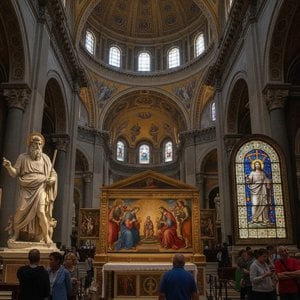
Explore the profound beauty of sacred art through a curated journey of masterpieces. From Renaissance iconography to Baroque drama, discover how history's greatest artists captured the divine presence in timeless works of spiritual transcendence.

Explore the profound power of religious symbolism in art history. From Renaissance masterpieces to sacred iconography, uncover the hidden meanings behind divine details in a deep dive into classical art excellence.
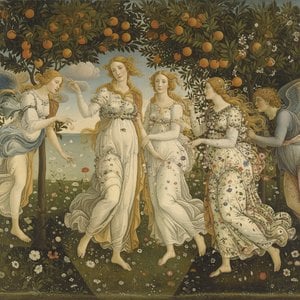
Explore the ethereal beauty of Sandro Botticelli's masterpieces. Delve into the profound symbolism, mythological grace, and technical mastery that define the Italian Renaissance through an expert art-historical lens.


 效果预览
效果预览
 分享
分享 分享
分享
 详情
详情 指南
指南

 下载
下载
 相似作品
相似作品 X射线
X射线 幻灯片播放
幻灯片播放 统计数据
统计数据 展开详情
展开详情









 玻璃选项仅适用于110厘米以下的尺寸。


