
 Acrylic On CanvasWallArtLate Baroque
 53.0 x 43.0 cm
 Museum voor Schone Kunsten
博物馆级艺术微喷或帆布版画,制作高效,并提供多种饰面选择。 ( 购买手绘画作 切换至数字图像销售渠道)





























从与原作比例一致的预设尺寸中进行选择。

您可以输入自定义尺寸,以适配特定的画框或空间。如果您选择的尺寸与原图比例不符,我们将对作品进行裁剪,或通过镜像填充/纯色填充边缘的方式来扩展图像。在开始制作之前,我们会向您发送一份数字效果图供您确认。
请注意,屏幕上的预览并不能反映实际的裁剪或扩展效果。只有效果图才能准确展示最终的构图。
虽然我们提供定制尺寸,但为了保持原图比例,我们建议您从预设列表中选择尺寸。

Praying Monks
复制品尺寸
Alessandro Magnasco's "Praying Monks," a remarkably intimate and subtly unsettling work from around 1730, offers a profound meditation on faith, solitude, and the human condition. Measuring just 53 x 43 cm, this painting transcends its modest size to deliver an experience of weighty emotion—a testament to Magnasco’s unique ability to distill complex spiritual themes into powerfully evocative imagery. The scene unfolds within a deliberately sparse landscape, dominated by two weathered rocks that serve as silent witnesses to the monks' devotion. These aren’t dramatic mountains or imposing cliffs; rather, they are humble elements, grounding the figures and suggesting a connection between earthly solidity and the search for something beyond.
Magnasco, born in Genoa in 1667 and primarily active in Milan, occupies a fascinating space within the transition from Baroque to Rococo. He wasn’t simply replicating established styles; he was forging his own path, marked by an intensely personal vision often tinged with melancholy. Unlike many of his contemporaries who embraced grand narratives and theatrical displays, Magnasco favored a quieter, more introspective approach. This is immediately apparent in “Praying Monks,” where the focus isn’t on elaborate gestures or dramatic expressions, but rather on the subtle nuances of posture and expression—the bowed head, the clasped hands, the almost palpable sense of quiet contemplation.
Three monks dominate the composition, each embodying a distinct response to their shared devotion. The monk on the left, positioned slightly off-center, is rendered in a posture of fervent supplication—his hands raised in an open gesture of prayer, his face turned heavenward. He represents perhaps the most outwardly expressive of the three, a visible yearning for connection with the divine. To his right and above him stands another monk, equally engaged in prayer, but exhibiting a more subdued demeanor – a quiet acceptance, a yielding to fate. The third monk, kneeling further to the right, is depicted in a posture of almost complete surrender—a stillness that borders on sleep or perhaps even despair. This final figure offers a poignant counterpoint to the others, suggesting the potential for spiritual exhaustion and the struggle to maintain faith amidst hardship.
Magnasco’s masterful use of light and shadow further enhances this emotional complexity. The scene is bathed in a muted palette—predominantly grays and browns—creating an atmosphere of somber contemplation. The artist employs rapid, sketchy brushstrokes, lending the figures a sense of immediacy and vulnerability. These aren't idealized representations; they are flawed, human beings grappling with profound questions. Notice how Magnasco avoids smooth transitions or polished surfaces, instead favoring a technique that feels raw and direct—as if he were capturing a fleeting moment of genuine emotion.
The choice of setting – the rugged landscape punctuated by these simple rocks – is laden with symbolic weight. The rocks can be interpreted as anchors, grounding the monks in the physical world while simultaneously representing the foundations upon which their faith is built. Magnasco’s depiction aligns with the practices of the Order of the Camuldulenses, or White Robed Monks of St. Benedict, who sought solace and guidance through a life of isolation in mountainous regions. The painting subtly echoes depictions of Jesus in the Garden of Gethsemane, highlighting the universal human experience of doubt and suffering.
Interestingly, Magnasco’s artistic biography reveals a man often at odds with convention. While he collaborated on larger projects and served prominent patrons like the Grand Duke Cosimo III, his personal style was decidedly unconventional—characterized by unsettling scenes populated by lonely hermits and monks. This suggests a deep-seated preoccupation with themes of isolation, decay, and the darker aspects of human existence. The attribution to this work is often debated, as Magnasco himself preferred more secular subjects, yet its haunting beauty and emotional resonance remain undeniable.
WahooArt’s hand-painted reproduction of “Praying Monks” captures the essence of Magnasco's vision with exquisite detail. We meticulously recreate his distinctive brushwork, nuanced color palette, and evocative atmosphere, ensuring that this powerful artwork becomes a captivating centerpiece in your home or office. This is more than just a print; it’s an authentic representation of a significant work by a master of the Baroque era—a piece that invites contemplation and offers a glimpse into the complexities of faith, solitude, and the human spirit.

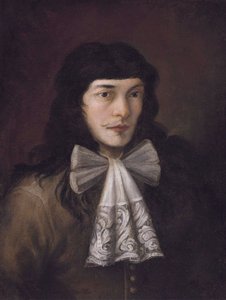
1667 - 1749 , 意大利

Embark on a sophisticated journey through Italian Baroque art. Discover the dramatic interplay of light and emotion in Caravaggio’s masterpieces and explore how to bring this timeless grandeur into your collection with expert art insights.


 效果预览
效果预览
 分享
分享 分享
分享
 详情
详情 指南
指南

 下载
下载
 相似作品
相似作品 X射线
X射线 幻灯片播放
幻灯片播放 统计数据
统计数据 展开详情
展开详情









 玻璃选项仅适用于110厘米以下的尺寸。


