
 EngravingWallArtNorthern Renaissance
 1498Renaissance
 191.0 x 124.0 cm
 柏林州立博物馆
博物馆级艺术微喷或帆布版画,制作高效,并提供多种饰面选择。 ( 购买手绘画作 切换至数字图像销售渠道)





























从与原作比例一致的预设尺寸中进行选择。

您可以输入自定义尺寸,以适配特定的画框或空间。如果您选择的尺寸与原图比例不符,我们将对作品进行裁剪,或通过镜像填充/纯色填充边缘的方式来扩展图像。在开始制作之前,我们会向您发送一份数字效果图供您确认。
请注意,屏幕上的预览并不能反映实际的裁剪或扩展效果。只有效果图才能准确展示最终的构图。
虽然我们提供定制尺寸,但为了保持原图比例,我们建议您从预设列表中选择尺寸。

The Madonna with the Monkey
复制品尺寸
In the quiet, meticulous lines of Albrecht Dürer’s 1498 engraving, The Madonna with the Monkey, we encounter a profound intersection of the celestial and the terrestrial. This monochrome masterpiece serves as a breathtaking window into the Northern Renaissance, capturing a moment of tender intimacy between the Virgin Mary and the Christ Child. At first glance, the scene presents the classic motif of religious piety, yet Dürer’s genius lies in his ability to disrupt the conventional serenity of such icons. Beside the seated Madonna, a curious monkey perches, introducing an unexpected element that breathes life and complexity into the composition. This juxtaposition was far from whimsical; in the symbolic language of the Renaissance, monkeys often represented folly or the temptations of the flesh, prompting the viewer to contemplate moral dilemmas alongside spiritual devotion.
The emotional impact of the work is found in its delicate balance between the sacred and the earthly. There is a palpable softness in the way the Madonna cradles her infant son, a warmth that transcends the starkness of the black and white medium. As your eyes wander through the intricate landscape, you are invited into a deeply textured world where every etched stroke breathes life into the scene. The presence of the monkey serves as a grounding force, a reminder of the chaotic natural world existing alongside the divine, creating a narrative depth that continues to intrigue scholars and captivate art lovers centuries after its creation.
To behold this work is to witness the pinnacle of printmaking artistry. Executed through the demanding technique of engraving on paper, Dürer’s method exemplifies an unwavering commitment to realism. Using a burin tool, the artist painstakingly incised fine lines into a copper plate, a process that required immense precision and patience. The resulting image relies entirely on the density of these lines to create a sense of light, shadow, and volume. Through the masterful use of hatching and cross-hatching, Dürer achieves remarkable tonal variation, rendering the soft folds of fabric, the delicate features of the infant, and even the coarse texture of the monkey's fur with startling clarity.
The composition is a masterclass in linear perspective. While the Madonna and Child remain the central focus, Dürer expertly guides the viewer’s gaze toward the background, where a stylized landscape unfolds. A distant building, reminiscent of a watchtower or small castle, emerges through layers of fine linework, establishing a sense of immense depth. This deliberate arrangement does more than just create space; it invites a meditative journey, leading the eye from the intimate foreground into a wider, atmospheric world. For collectors and interior designers, this intricate detail offers a sophisticated visual texture that can serve as a profound focal point in any curated space.
Albrecht Dürer remains a towering figure of the German Renaissance, an architect of the artistic eye who bridged the gap between Northern meticulousness and Italian intellectual grace. The Madonna with the Monkey is not merely a historical artifact; it is a living piece of history that embodies the era's fascination with observation and symbolism. For those seeking to bring a sense of intellectual depth and classical elegance to their surroundings, a high-quality reproduction of this engraving offers an unparalleled opportunity. It provides a window into a period of unprecedented creative flourishing, offering a sophisticated aesthetic that complements both traditional and contemporary interiors.
Whether you are an art enthusiast drawn to the technical rigor of the Northern Renaissance or a designer looking for a piece that sparks conversation through its layered symbolism, this work stands as a testament to the enduring power of fine art. The interplay of light, the complexity of the narrative, and the sheer mastery of the medium ensure that Dürer’s vision remains as potent and evocative today as it was in 1498.

阿尔布雷希特·丢勒(Albrecht Dürer,1471-1528),一位名字与德国文艺复兴紧密相连的艺术家,诞生于纽伦堡这座充满活力的手工艺者之城。他的父亲,阿尔布雷希特·丢勒老,是一位成功的金匠,来自匈牙利移民,将精湛的手工艺传统带到了这里。在金属的光泽和一丝不苟的制作过程中,年轻的阿尔布雷希特最早感受到艺术的萌芽。尽管他的父亲最初希望他继承家族手艺,但很快就显现出他非凡的绘画天赋。十三岁时,他进入了纽伦堡著名艺术家迈克尔·沃尔格穆特的作坊学习,这不仅仅是技术上的训练,更是一次沉浸式的体验——接触着精美的插图书籍、绘制的画卷,以及新兴的木刻版画艺术。沃尔格穆特的工作室产量惊人,包括为《纽伦堡编年史》创作的大量插图,为丢勒提供了设计、构图和图像制作技巧的无与伦比的基础。1484年创作的一幅银笔自画像,即使在今天看来也令人叹为观止,证明了他早期的艺术天赋。
丢勒的抱负远不止于纽伦堡的城墙之内。他怀着对绘画技艺精益求精的渴望和无尽的好奇心,于1494年踏上了前往意大利的第一段旅程。这并非简单的观光旅行,而是一次朝圣之旅,直奔文艺复兴艺术的中心。在那里,他接触到了拉斐尔、乔凡尼·贝利尼和列奥纳多·达·芬奇等大师的作品——他们重新定义了形式、透视和人性的表达的可能性。这次经历对他产生了深远的影响。丢勒汲取了古典主题、和谐构图以及微妙的晕染法,但从未放弃他北方艺术一贯的对细节的精细刻画和象征意义的深刻理解。1505年至1507年间,他又一次前往意大利,进一步巩固了这些影响,使他能够研究古罗马遗迹,并深化他对人体解剖学和比例的理解。这种北方艺术的精确与意大利文艺复兴的优雅相结合,成为了丢勒独特艺术风格的标志。
丢勒是一位技艺精湛的多面手,每一种媒介都为他提供了独特的创作途径。他的油画作品虽然数量不多,却展现了他对油彩的卓越掌控能力,以及捕捉人物外貌和心理深度的能力。《玫瑰花环节》等作品体现了受威尼斯色彩主义影响的鲜艳色调。然而,他在版画领域——尤其是铜版画和木刻——真正掀起了艺术实践的革命。他将这些技法从单纯的复制手段提升为独立的艺术形式,能够传达复杂的叙事和深刻的情感。《启示录》系列(1498年),一组以《圣约翰启示录》为主题的木刻版画,展示了他对这种媒介的精湛掌握,尽管它存在固有的局限性。稍后的铜版画作品,如《沉思一》(1514年)和《圣杰罗姆书房》(1514年),证明了他的无与伦比的技巧——构图复杂,充满象征意义,并以令人惊叹的精确度执行。他不仅仅描绘现实,更赋予它多层知识和精神意义。
丢勒不仅是一位艺术家,还是一位学者、理论家和创新者,致力于理解艺术创作背后的基本原理。他坚信艺术具有数学基础,并致力于建立一种科学的方法来表示现实。他对几何学、比例和人体解剖学的著作——尤其是1528年出版的《论人体的比例》,对于当时的时代具有开创性意义,证明了他对严谨观察和理性分析的承诺。这些著作不仅仅是学术练习;它们旨在提升艺术家的地位,从单纯的手工艺者转变为知识型从业者。丢勒的遗产超越了他的个人作品。他弥合了北方传统与意大利文艺复兴理想之间的差距,将古典主题引入北方艺术,同时保持其独特的风格。他的理论贡献帮助建立了一种新的艺术实践框架,激励了后世无数艺术家以他的技术精湛、创新精神和深刻的远见为榜样。他至今仍是西方艺术史上最重要的代表人物之一。
丢勒的影响在几个世纪的艺术史上回荡。他对现实主义的细致刻画、对版画创新性的运用以及他的理论著作,至今仍在激励着艺术家和学者。他证明了艺术既可以技术精湛,又可以具有深刻的智力深度——这种遗产继续塑造着当今的艺术格局。他的作品是观察的力量、知识追求和人类创造美丽与意义的不懈愿望的见证。

1471 - 1528 , 意大利

Journey through history with 10 legendary engravings that redefined art. From Dürer to the masters of intaglio, explore the stories behind these timeless masterpieces. Find museum-quality reproductions and decor inspiration at WahooArt.com. Discover all masterpieces on WahooArt.com
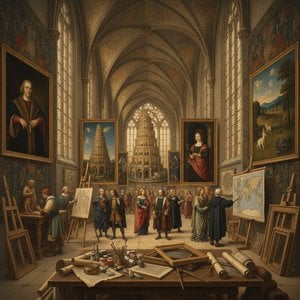
Step into the intricate world of the Northern Renaissance. Explore 10 legendary masterpieces, from Van Eyck to Dürer, and uncover the stories behind their timeless beauty. Find museum-quality art reproductions for exquisite home decor at WahooArt.com. Discover all masterpieces on WahooArt.com.
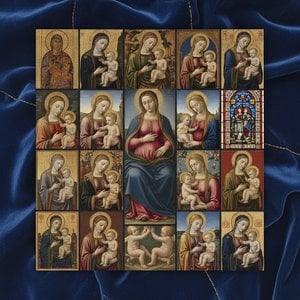
Embark on a sophisticated journey through art history with our curated guide to the most iconic Madonna and Child masterpieces. Discover the profound beauty, theological depth, and enduring legacy of these sacred Renaissance treasures.


 效果预览
效果预览
 分享
分享 分享
分享
 详情
详情 指南
指南

 下载
下载
 相似作品
相似作品 X射线
X射线 幻灯片播放
幻灯片播放 统计数据
统计数据 展开详情
展开详情









 玻璃选项仅适用于110厘米以下的尺寸。


