
 Oil On CanvasWallArtDutch Golden Age Painting
 Early Modern
 25.0 x 34.0 cm
 冬宫博物馆 (Hermitage Museum)
由我们的艺术家按需定制,为您提供您所选尺寸及画框的布面手工油画。 ( 切换至版画销售渠道 切换至数字图像销售渠道)





























从与原作比例一致的预设尺寸中进行选择。

您可以输入自定义尺寸,以适配特定的画框或空间。如果所选尺寸与原图比例不符,我们将通过裁剪作品或添加手绘元素来扩展画面。数字样稿将在制作开始前发送给您确认。
请注意,屏幕预览无法准确反映实际的裁剪或扩展效果,只有样稿才能真实呈现最终的构图。
虽然我们提供定制尺寸服务,但为了保留原作比例,建议您从预设列表中选择尺寸。

In the Tavern
复制品尺寸
In the dim, amber-hued atmosphere of Adriaen Brouwer’s In the Tavern, we are not merely observers of a painting, but uninvited guests at a seventeenth-century gathering. Painted around 1635, this masterpiece serves as a profound window into the Dutch Golden Age, an era where the glitter of global trade met a burgeoning fascination with the raw, unvarnished realities of human existence. Unlike the grand, idealized portraits of nobility that dominated previous centuries, Brouwer directs our gaze toward the humble and the everyday. The scene unfolds within the smoky, intimate confines of a tavern, capturing a fleeting moment of social ritual—men engaged in the quiet, personal acts of grooming and shaving amidst the low hum of a crowded room.
The emotional resonance of the work lies in its remarkable ability to find dignity in the mundane. There is a palpable sense of warmth and conviviality, yet it is tempered by a gritty realism that refuses to look away from the textures of poverty or the shadows of a life lived on the margins. For the modern collector or interior designer, this piece offers more than just a historical document; it provides an anchor of character and depth. It evokes a sense of nostalgia for a time when the simple pleasures of companionship and routine were the very fabric of society, making it an ideal centerpiece for spaces that value storytelling, heritage, and a sophisticated, earthy aesthetic.
Technically, In the Tavern is a triumph of Baroque sensibility. Brouwer utilizes an oil-on-canvas medium to achieve a breathtakingly tactile experience. His brushwork is famously visible, far from being mere decoration; instead, these deliberate strokes breathe life into the rugged surfaces of weathered wood, coarse fabrics, and human skin. The artist employs a masterful use of chiaroscuro, where light emerges from an unseen source to dance across the faces of his subjects, casting deep, dramatic shadows that lend the composition an incredible sense of three-dimensional volume.
The color palette is a sophisticated study in earth tones—rich ochres, deep umbers, and muted reds dominate the canvas, creating a cohesive and atmospheric environment. These warm hues are punctuated by subtle highlights of white and grey, which guide the eye through the complex composition. The way light catches the edge of a shaving tool or the fold of a sleeve creates an illusionistic depth that draws the viewer into the tavern's crowded corners. This interplay of light and shadow does more than define form; it sets a mood of intimacy and quiet drama, ensuring that every time one views this reproduction, new details emerge from the gloom.
To understand Brouwer is to understand the revolution of genre painting. As a pioneer of the movement, he moved away from religious iconography to document the "lower class" with an empathetic, almost journalistic eye. In In the Tavern, the subject matter—the grooming of men, the presence of children in the periphery, and the bustling background figures—serves as a subtle commentary on the social structures of the time. He captures the essence of tronies, focusing on the expressive power of facial movements and human emotion.
For those seeking to curate an art collection that speaks to the complexity of the human condition, Brouwer’s work offers unparalleled inspiration. His ability to blend the coarse with the beautiful, and the transient with the eternal, makes In the Tavern a timeless addition to any curated environment. It is a piece that does not just decorate a wall; it invites conversation, prompts reflection, and brings the vibrant, turbulent spirit of the seventeenth century into the contemporary home.


1635 - 1638 , 比利时
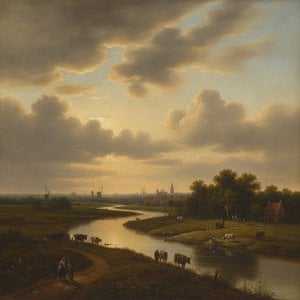
Discover the breathtaking beauty of Dutch Golden Age landscapes. Explore the mastery of light, chiaroscuro, and 17th-century realism through an expert art history lens, celebrating the enduring legacy of the Dutch Masters for discerning collectors and art lovers.

探索荷兰黄金时代的艺术巅峰! 伦勃朗、维米尔等大师名作,带您领略巴洛克艺术的辉煌。高清画作、博物馆级品质,点亮您的家居空间。WahooArt.com 提供精选艺术复制品和定制装饰方案。立即在线探索全系列!

深入探索荷兰黄金时代绘画的文化创新与现实主义反思。本文解读伦勃朗、维米尔等大师的作品,并结合玛莉特·韦斯特曼的图像学研究,揭示艺术史背后的社会语境与现代性意识觉醒。

Explore the dramatic mastery of the Dutch Baroque era. Discover how masters like Rembrandt used chiaroscuro to transform everyday life into timeless art. An expert guide for collectors and enthusiasts seeking to understand the profound interplay of light and shadow.

Explore the captivating world of Adriaen Brouwer, a master of Dutch Golden Age genre painting. Discover his vivid depictions of peasant life, social commentary, and lasting influence on art history. Learn more at WahooArt.


 效果预览
效果预览
 分享
分享 分享
分享
 详情
详情

 下载
下载
 相似作品
相似作品 X射线
X射线 幻灯片播放
幻灯片播放 统计数据
统计数据 展开详情
展开详情









 玻璃选项仅适用于110厘米以下的尺寸。


