
 Oil On CanvasWallArtBengal School of Art
 23.0 x 16.0 cm
 维多利亚纪念堂
由我们的艺术家按需定制,为您提供您所选尺寸及画框的布面手工油画。 ( 切换至版画销售渠道 切换至数字图像销售渠道)





























您可以从与原作比例一致的预设尺寸中进行选择。

请输入您需要的宽度和高度,以适配您的画框或墙面。由于作品为手工绘制,若您选择不同的尺寸比例,艺术家可能会在画面边缘多画一些或稍作裁剪 —— 由您决定。在开始绘画之前,我们会为您发送一份数字效果图供您确认。本页面上展示的图片并非最终实物 —— 只有效果图才能反映真实结果。
Pavilion
复刻品尺寸说明
The artwork presented here, Abanindranath Tagore's "Pavilion," isn’t merely a depiction of a building; it’s a carefully constructed visual poem, a pivotal moment in the history of Indian art. Painted in 1907, during a period of intense nationalistic fervor and artistic experimentation, this work represents Tagore’s audacious attempt to synthesize traditional Indian aesthetics with Western influences – a strategy that fundamentally reshaped the landscape of modern Indian painting. It's a piece brimming with symbolism, inviting viewers to contemplate themes of spirituality, identity, and the evolving relationship between tradition and modernity.
Tagore, deeply influenced by the Japanese aesthetic—particularly its emphasis on calligraphy and flattened perspective—and inspired by the Mughal and Rajput miniature traditions, sought to create an art form that resonated with Indian sensibilities. He deliberately rejected the academic realism prevalent in Western art schools, which he viewed as cold and devoid of spiritual depth. Instead, he drew upon the rich visual vocabulary of ancient India – its vibrant colors, stylized forms, and symbolic imagery—and infused it with a distinctly modern sensibility. “Pavilion” exemplifies this approach perfectly; it’s not a photographic representation but rather an evocative interpretation, prioritizing mood and feeling over strict adherence to reality.
The painting immediately captivates the eye with its rich palette—a deliberate departure from the muted tones favored by Western artists. Deep blues and greens dominate the composition, evoking a sense of tranquility and spirituality, while bursts of crimson, gold, and saffron inject vibrancy and energy. These colors aren’t simply decorative; they carry profound symbolic weight. Blue represents the heavens and spiritual realms, red signifies passion and life force, and gold embodies divinity and enlightenment. The use of these hues is deeply rooted in Hindu iconography and reflects Tagore's desire to reconnect with India’s ancient spiritual heritage.
The pavilion itself—a structure reminiscent of Mughal palaces but imbued with a distinctly Indian character—is rendered with a flattened perspective, echoing the style of Japanese woodblock prints. The arched doorway, framed by intricate floral motifs and stylized clouds, serves as a focal point, drawing the viewer’s eye into the heart of the composition. Notice the deliberate simplification of forms – a hallmark of both Mughal and Japanese art—which contributes to the painting's serene and contemplative atmosphere. The figures depicted within the pavilion are not realistically rendered but rather presented as stylized silhouettes, further emphasizing the work’s symbolic nature.
“Pavilion” was created during a crucial period in Indian history—the early 20th century—a time marked by growing nationalist sentiment and a desire to reclaim India's cultural identity after centuries of colonial rule. Tagore’s art played a significant role in this movement, providing a visual language for expressing Indian values and traditions. He founded the Bengal School of Art, which championed a distinctly Indian style of painting that drew inspiration from both ancient and contemporary sources. This school challenged the dominance of Western artistic styles and paved the way for a new generation of Indian artists.
Tagore’s work wasn't without its critics. Some accused him of diluting traditional Indian art by incorporating Western elements, while others praised his innovative approach to blending Eastern and Western aesthetics. However, “Pavilion” remains a testament to Tagore’s artistic vision—a bold and ambitious attempt to create an art form that was both deeply rooted in India's cultural heritage and open to new influences. It stands as a pivotal work in the development of modern Indian painting, demonstrating the power of art to shape national identity and express complex ideas.
Reproduced on high-quality canvas or paper, Abanindranath Tagore’s “Pavilion” offers a captivating glimpse into India's rich artistic heritage. Its serene composition, vibrant colors, and evocative symbolism make it an ideal addition to any home or office space. Whether you are drawn to its spiritual depth, its historical significance, or simply its aesthetic beauty, this artwork is sure to inspire contemplation and add a touch of timeless elegance to your surroundings. Consider commissioning a hand-painted reproduction from WahooArt.com for a truly authentic experience.
您可以通过亚麻画布手工绘制油画复制品来订购《Pavilion》的手绘复制品。您可以前往其手工油画复刻页面进行下单,并根据需求选择不同的尺寸。
阿班因德拉·塔戈尔 的《Pavilion》 将 Oil On Canvas 技法与 Bengal School of Art 流派风格完美融合。技法与流派分别描述了作品的创作手法及其艺术风格。
阿班因德拉·塔戈尔 的《Pavilion》 将 pavilion, tagore, mughal, rajput, indian art, swadeshi, architecture 与 Calm 的氛围完美融合。

1871 - 1951 , 印度

Explore the life & art of Raja Ravi Varma, a pioneer who fused European techniques with Indian iconography. Discover his iconic paintings, lasting legacy, and influence on modern Indian art at WahooArt.
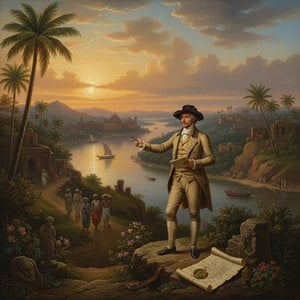
Explore the captivating landscapes of Thomas Daniell, a pioneering artist who documented India's beauty in the 19th century. Discover his 'Oriental Scenery,' aquatint technique & lasting legacy. Hand-painted reproductions available at WahooArt.
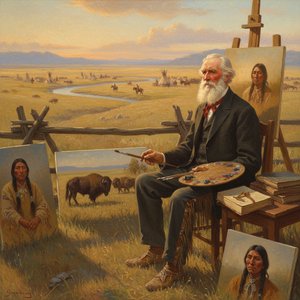
Explore the life & art of Joseph Henry Sharp, a founding member of the Taos Society of Artists renowned for his realistic depictions of Native American culture and Western landscapes. Discover his legacy with WahooArt.
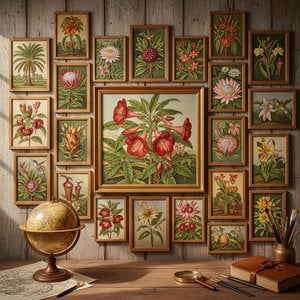
Journey through the vibrant world of Marianne North’s botanical paintings! Explore 25 iconic artworks from this Victorian artist, celebrating exotic flora & travel. Find museum-quality reproductions and curated decor ideas at WahooArt.com.

Explore the life & work of Edward S. Curtis, the 'Shadow Catcher,' and his groundbreaking photographic documentation of Native American cultures. Discover iconic images from *The North American Indian* and a critical look at his lasting legacy.


 实景预览
实景预览
 发送
发送 分享
分享
 详情
详情 指南
指南

 下载图片
下载图片
 相似作品
相似作品 X射线
X射线 幻灯片播放
幻灯片播放 统计数据
统计数据 阅读全文
阅读全文









 玻璃选项仅适用于110厘米以下的尺寸。


