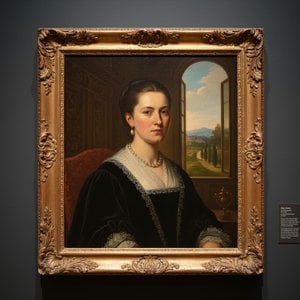
William Hogarth: A London Life in Ink and Paint
William Hogarth, народжений у буйному серці 18-го століття в Лондоні у 1697 році, був набагато більшим, ніж просто художник; він був візуальним істориком, проникливим спостерігачем людської природи та сатиричним коментатором суспільних струмів свого часу. Його життєвий шлях нерозривно пов’язаний з самим полотном Англії того періоду – її зростаючими амбіціями, підґрунтями тривог і проникаючою гіпотезою, усі з яких знайшли потужне вираження у його надзвичайно детальних і часто гострих роботах. Син бідного латинського шкільного вчителя, ранні враження Hogarth’а навчили його як любові до навчання, так і гострого усвідомлення соціальної нерівності – фундаменту, який виявився ключовим у формуванні його художнього бачення. Спочатку він був учнем гравця, але швидко продемонстрував талант, що виходив за межі простої технічної майстерності; він мав вроджений інстинкт спостерігати нюанси людської поведінки та перетворювати їх на захопливі візуальні історії. Однак він не любив обмеження традиційного гравірування, прагнучи більш виразного способу для свого зростаючого творчого потенціалу. Це призвело його до навчання в St Martin’s Lane Academy та під керівництвом Саймона Thornhill, де він відточив свої навички у живопису та композиції, поглинаючи впливи, які пізніше вплинули на його унікальний стиль.
The Birth of Modern Moral Subjects
Істинову інновацію Hogarth’а не просто *що* він малював, а *як*. Він заснував те, що він назвав “сучасними моральними темами” – серії картин, розрахованих на розповідання історії, часто сповнені сильного сатиричного підтексту. Це були не ізольовані портрети чи пейзажі; це були візуальні новели, розгортаючіся перед очима глядача, пропонуючи витончені коментарі щодо сучасного суспільства. *A Harlot's Progress*, створений у 1742 році, є, мабуть, його найвідомішою роботою. Ця серія з шести картин ретельно відстежує трагічний падіння Марії, молодої жінки, яка прибула до Лондона сповнена надії, але швидко піддалася чарам і небезпекам міського життя. Кожна сцена зображена з ретельним деталем, сповнена символічних елементів, які розкривають моральний занепад, що оточує її. Подібно, *A Rake's Progress*, розпочатий у 1733 році, простежує безрозсудний спад Тома Rakewell’а, молодого чоловіка, який марнує своє багатство на азартні ігри, розпусту та зрештою, божевілля. Ці серії не були просто застережливими історіями; це були неухильні портрети суспільства, яке боролося з проблемами класу, моралі та соціальної мобільності. Гений Hogarth’а полягав у його здатності піднімати повсякденні сцени – гамірні вулиці Лондона, розкішні інтер'єри багатих, злощасні життя бідних – до творів мистецтва, які глибоко резонували з його аудиторією. Він не соромився зображати жорстку реальність життя, представляючи її у поєднанні з гумором і співчуттям, змушуючи глядачів зіткнутися з неприємними істинами про себе та своє суспільство.
Technique and Influences: A Synthesis of Styles
Художній стиль Hogarth’а був унікальним синтезом різноманітних впливів. Він сильно захоплювався реалістичністю та наративною деталізацією робіт голландських жанрових художників, таких як Pieter de Hooch, що проявляється в його ретельному зображенні інтер'єрів і повсякденного життя. Французькі сатиричні друки також відіграли роль у формуванні його підходу до соціального коментування. Однак Hogarth не просто наслідував цим джерелам; він синтезував їх у щось абсолютно нове та винятково своє. Його техніка характеризувалася майстерним використанням лінії та тіні, особливо помітною в його гравіруваннях. Він використовував характерну техніку хрестоподібного перекриття, яка створювала глибину і текстуру, оживляючи свої сцени з вражаючою чіткістю. У нього також був надзвичайний погляд на композицію, розміщуючи фігури та предмети в кадрі, щоб створити динамічні та захопливі історії. За межами мистецтва Hogarth був впливовий літературними творами, особливо тими, що написані Джономтана Swift і Генрім Fielding, чиї сатиричні здібності вплинули на його власні соціальні спостереження. Він вірив, що мистецтво не повинно бути лише красивим, але й має моральний сенс, кидаючи виклик глядачам зіткнутися з неприємними істинами про себе та своє суспільство. *Він прагнув відобразити природу, відбиваючи як її красу, так і її огидність без вагань*.
Major Achievements and Historical Significance
Вплив Вільяма Hogarth’а поширюється далеко за межі 18-го століття. Його роботи набули величезної популярності завдяки масовому виробництву друкованих матеріалів на основі його картин, роблячи його сатиричні коментарі доступними для ширшої аудиторії, ніж будь-коли раніше. Він вважається попередником політичних карикатур і коміксів, заклавши основу для візуального оповідання в популярній культурі. Художники, такі як Джеймс Gillray та Джордж Cruikshank, безпосередньо надихалися його стилем, продовжуючи його традицію сатиричного коментування. Навіть Чарльз Lamb, відомий есеїст, визнав наративну силу зображень Hogarth’а, зауваживши, що вони "нагадують книги для читання, а не просто для перегляду".
- Hogarth встановив унікальну британську художню ідентичність.
- Його роботи надають безцінні інсайти в англійське суспільство 18-го століття.
- Він вплинув на покоління митців та сатиристів.
Вільям Hogarth помер у 1764 році, залишивши після себе спадщину, яка продовжує резонувати сьогодні. Він залишається ключовою фігурою в історії британського мистецтва, визнаним за свій інноваційний підхід до оповідання, неухильний соціальний коментар і здатність безпосередньо передати складність людського життя. Його картини та гравюри – це не просто історичні артефакти; це живі вікна в минуле, пропонуючи часові інсайти у вигадки та недоліки людства.



 Переглянути в інтер'єрі
 Перейти до друку
 Надіслати як листівку
 Поділитися
 Детальніше

 Завантажити
 Схожі експонати
 Рентгенівське дослідження
 Слайд-шоу
 Статистика

 Читати далі






































 Скляний варіант доступний лише для розмірів до 110 см