A Tapestry of Light: The Life and Legacy of William Henry Clapp
The story of William Henry Clapp is one of movement, much like the shifting light he so passionately sought to capture on canvas. Born in Montreal in 1879 to American parents, Clapp’s identity was as fluid as his brushstrokes, embodying a unique Canadian-American heritage that allowed him to bridge different artistic worlds. His early years were marked by a profound connection to the landscapes of North America, yet it was his journey toward the heart of the European avant-garde that would ultimately define his creative soul. As he moved between the academic rigor of Montreal and the vibrant, experimental atmosphere of Paris, Clapp developed a vision that refused to be tethered to a single tradition, instead opting for a synthesis of classical foundation and modern innovation.
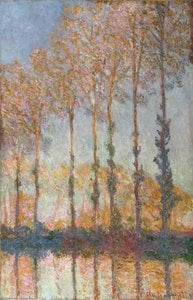
Clapp’s artistic maturation was deeply rooted in the prestigious academies of France. Studying at the Académie Julian, Académie Colarossi, and the Académie de la Grande Chaumière, he immersed himself in an era of radical transformation. It was here that the whispers of Impressionism and the bold, emotive colors of Fauvism began to reshape his perception. He did not merely observe the world; he sought to experience its atmospheric nuances through a lens of broken color and light. His time in Paris allowed him to absorb the brilliance of masters like Monet, leading him toward a personal style that danced on the edge of Pointillism. This technique—using small, distinct dots or strokes of color—allowed him to recreate the shimmering, ephemeral quality of sunlight filtering through autumn leaves or reflecting off a coastal tide.
The Society of Six and the California Impressionist Movement
Upon returning to the United States, Clapp found a new muse in the rugged, sun-drenched landscapes of Oakland, California. This period marked one of his most significant contributions to American art history. Alongside a group of like-minded visionaries, he co-founded the Society of Six, an influential collective that challenged the more conservative landscape traditions of the time. Working with artists such as Selden Connor Gile and August Gay, Clapp helped introduce a vibrant, high-keyed palette to the West Coast, heavily influenced by the French Fauvist movement. This group sought to capture the raw, unadulterated essence of the California landscape, prioritizing emotional resonance and color intensity over photographic accuracy.
His work during this era serves as a testament to his ability to adapt European sensibilities to American subject matter. Whether depicting the tranquil shores of a coastal landing or the lush, sun-dappled forests of the north, Clapp’s paintings possess an inherent vitality. His later works, characterized by a more pronounced Pointillist approach, demonstrate a lifelong commitment to exploring how light interacts with form. This dedication to the plein air tradition—painting directly from nature—ensured that his canvases remained deeply connected to the physical world, even as his technique moved toward abstraction.
A Lasting Curatorial and Artistic Influence
Beyond the easel, Clapp’s impact on the art world was profoundly felt through his role as a custodian of culture. Serving as the Director of the Oakland Gallery (now known as the Oakland Museum) for over three decades, he played a pivotal role in shaping the aesthetic landscape of California. His dual identity as both a creator and a curator allowed him to foster an environment where new movements could flourish and where the public could engage with the evolving language of modern art. This period of leadership solidified his status not just as a painter of landscapes, but as a foundational figure in the development of American regionalism.
The historical significance of William Henry Clapp lies in his ability to weave together disparate threads of art history:
- The Bridge Between Continents: He successfully translated the sophisticated light-play of French Impressionism into the rugged contexts of Canada and California.
- The Innovation of Color: Through his involvement with the Society of Six, he championed a bold, Fauvist-inspired palette that redefined West Coast landscape painting.
- Technical Evolution: His progression from academic realism toward a luminous, Pointillist style reflects the broader shift in late 19th and early 20th-century art toward subjectivity and light.
- Cultural Stewardship: His long tenure as a museum director ensured that the radical innovations of his era were preserved and integrated into the broader American artistic canon.
Today, Clapp’s work remains a vibrant window into a time of great transition, reminding us that art is at its most powerful when it captures the fleeting, beautiful intersection of light, color, and spirit.



 Переглянути в інтер'єрі
 Перейти до друку
 Надіслати як листівку
 Поділитися
 Детальніше

 Завантажити
 Схожі експонати
 Рентгенівське дослідження
 Слайд-шоу
 Статистика
 Читати далі