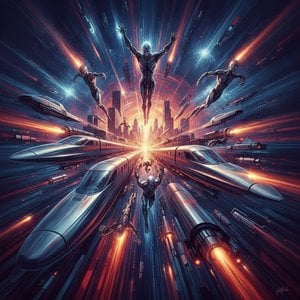
A Life Forged in Motion: The Revolutionary Vision of Umberto Boccioni
Umberto Boccioni, народжений у Реґіо Calabria в 1882 році, був постаттю-символом італійського футуристичного руху – сили, що прагнула зруйнувати мистецькі канони та прийняти динамізм сучасного світу. Його життя, трагічно обірване у віці лише тридцяти трьох років, стало свідченням цієї наполегливої віри в прогрес, швидкість і чарівну енергію машинного віку. Ранні роки Boccioni були позначені постійними переміщеннями через те, що його батько був державним службовцем, що призвело до виховання, яке відкривало йому горизонти різноманітних ландшафтів і вклало в нього дух нестримного пошуку. Ця номадська доля врешті-решт привела його до Рима, де спочатку він займався декоративним мистецтвом, але поступово звернувся до живопису, поглинаючи впливи стилю Liberty від художників-постерістів того часу. Однак справжній поворот у його творчому шляху став знайомство з футуризмом, яке відбулося завдяки працям Filippo Tommaso Marinetti, і це стало запальною іскрою для його мистецького бачення.
Embracing the Whirlwind: The Rise of a Futurist
1910 рік виявився вирішальним моментом у житті Boccioni. Він підписав *Manifesto dei Pittori Futuristi*, закріплюючи свою відданість руху, який святкував технології, швидкість і навіть насильство як символи сучасності. Це було не просто естетичне рішення; це був філософський бунт проти ваги традицій, прагнення вловити саму суть світу, що несеся у невизначене майбутнє. Boccioni швидко став одним з найяскравіших теоретиків футуризму, розширюючи початкові заяви Marinetti та застосовуючи їх до візуального мистецтва. Він стверджував, що необхідно повністю відмовитися від представницької точності, пропонуючи замість цього зображувати не лише *що* виглядає річ, але й *як* вона відчувається в русі – відчуття швидкості, фрагментація форми, приголомшлива енергія міського життя. Його ранні роботи, хоча й зберігали впливи імпресіонізму та дівізмізму, почали демонструвати це зростаюче захоплення динамікою. Картини, такі як *The City Rises* (1910-1911), є грандіозними за масштабом і амбіціями, зображуючи хаотичне будівництво сучасного міста – щось схоже на бурю фарб та фігур, що символізує футуристичний ідеал.
Deconstructing Reality: Technique and Themes
Розвиток мистецтва Boccioni характеризувався все більш радикальним підходом до форми. Він відмовлявся від традиційних уявлень про перспективу та композицію, приймаючи фрагментацію як засіб передачі руху та енергії. Об'єкти розбивалися на їхні складові частини, лінії сили випромінювалися назовні, а кольори змішувалися у вихорних візерунках – все це було створено для створення відчуття візуальної вібрації. Ця деконструкція не була просто стилістичною; вона була вкорінена в переконаннях Boccioni, що сама реальність є змінною та постійно змінюється. Він прагнув зображувати не статичний вигляд речей, а їхню динамічну сутність. Це яскраво ілюструють роботи, такі як *Dynamism of a Human Body* (1913), де фігура зображена не як тверда форма, а як серія розірваних форм, що вказують на рух у просторі. Можливо, його найвідомішою творістю є *Unique Forms of Continuity in Space* (1913) – скульптура з бронзи, яка воплотила футуристичний ідеал із приголомшливою силою. Фігура здається застиглою посередині руху, її кінцівки та тулуб витягнуті та спотворені, передаючи відчуття нестримного імпульсу.
Influences and Legacy
Трагічна смерть Boccioni в 1916 році, під час Першої світової війни, забрала з мистецького світу справжнього візіонера. Однак його ідеї та твори продовжували резонувати після його смерті. Він глибоко вплинув не лише на наступних фуристів, але й на такі рухи, як конструктивизм та абстрактний експресіонізм. Його дослідження руху, динаміки та представлення сучасності заклали шлях для нових форм мистецького вираження, кинувши виклик традиційним уявленням про красу та репрезентацію.
- Впливи: Техніки дівізмізму від Giacomo Balla, фрагментація форми від Кубізму, філософські праці Ніцше.
- Визначні твори: *Dynamism of a Human Body*, *Unique Forms of Continuity in Space*, *The City Rises*, *Dynamism of a Cyclist*.
- Історичне значення: Ключова постать у мистецтві 20-го століття, Boccioni кинув виклик мистецьким канонам і допоміг сформувати хід сучасного мистецтва. Його теорії про динаміку та представлення руху продовжують надихати художників сьогодні.
Umberto Boccioni залишається потужним символом мистецьких інновацій – свідченням сили прийняття змін і кинутих викликів статус-кво. Він не просто був митцем; він був пророком сучасності, вловив дух світу, що наближається до трансформації, і залишив після себе спадок, який продовжує вібрувати у світі мистецтва сьогодні.



 Переглянути в інтер'єрі
 Замовити репродукцію ручної роботи
 Надіслати як листівку
 Поділитися
 Детальніше

 Завантажити
 Схожі експонати
 Рентгенівське дослідження
 Слайд-шоу
 Статистика

 Читати далі






































 Скляний варіант доступний лише для розмірів до 110 см