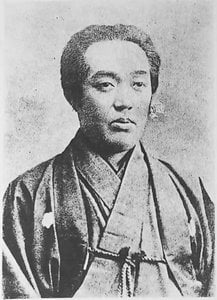
A Life Etched in Ink and Wood: The World of Tsukioka Yoshitoshi
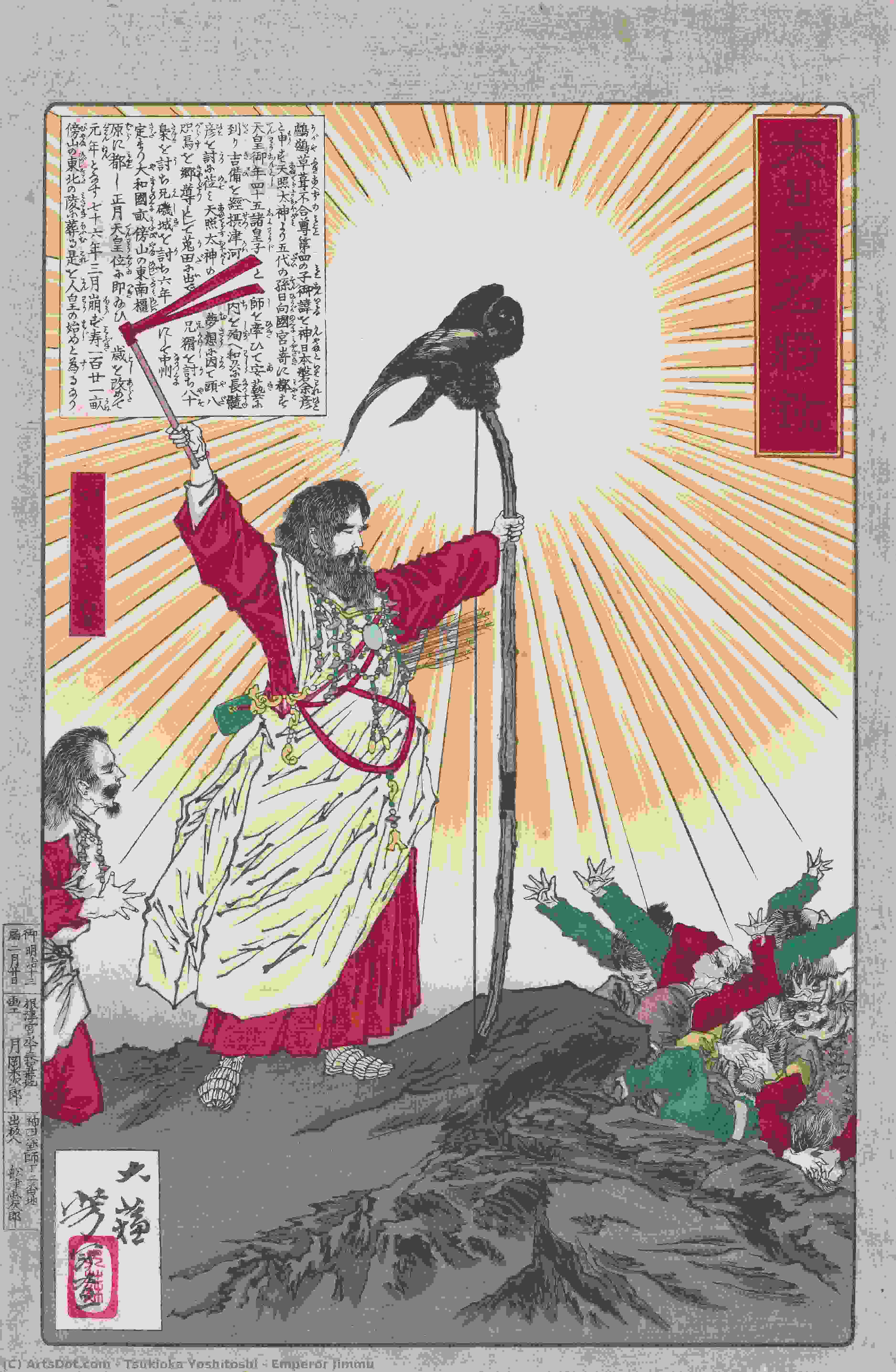
Tsukioka Yoshitoshi, відомий також як Owariya Yonejiro та Taiso Yoshitoshi, народився 30 квітня 1839 року в Едо (сучасний Токіо), і є надзвичайно важливим фігурою в історії японського мистецтва. Він широко визнається останнім великим майстром *укійо-е*, “картин світу що плаває”, але спрощеним описом його спадку недостатньо передати всю глибину та значення його творчості. Йоситоші не просто зберігав традиції; він був інноватором, візуальним оповідачем, який безстрашно вловив бурхливий дух Японії, що переживала радикальні зміни. Його життя розгорталося на тлі соціальних потрясінь – занепад Токуґавської васальної держави, Меіджі-реставрація та швидкий потік західних ідей – усі вони глибоко вплинули на його мистецьке бачення. Від скромного життя сина торговця, який згодом став самураєм, шлях Йоситоші привів його до навчання у Утаґави Кунійосі, майстра, чия вплив був невід’ємним. Це формування навчило його не лише технічних навичок, але й глибокої поваги до наративу та динамічної композиції.
Від Навчання до Мистецького Незалежності
Ранні роки Йоситоші були сповнені суворої дисципліни *укійо-е*, отриманої під керівництвом Кунійосі. Він засвоїв техніки свого наставника, вдосконалюючи своє володіння лінією та вивчаючи, як перетворювати історії на захопливі візуальні форми. Однак, Йоситоші швидко почав формувати власну стежку. Хоча спочатку працював у рамках встановлених конвенцій, він незабаром продемонстрував готовність кидати виклики, особливо в зображенні насильства та смерті. Ці зображення не були просто безглуздим показом жорстокості, а скоріше відображали неспокій епохи та особисті трагедії – втрата батька та Кунійосі глибоко вплинули на його мистецький напрямок. Середина 1860-х років позначилася для Йоситоші визнанням за те, що стало відоме як його “кроваві друки”, серія, яка характеризувалася графічними образами та драматичною інтенсивністю. Серії, такі як *Еймі-нідзю-хассюку* (“Вісімдесят віршів про смерті”), шокували та захоплювали глядачів, демонструючи сцени жорстоких вбивств, виконаних з вражаючої реалістичності. Ця готовність зіткнутися з темними темами виділила його серед багатьох його сучасників. Він експериментував із різними серіями та сюжетами, включаючи популярний *Тцузоку Саююкі* (“Сучасна подорож на Захід”) і *Вакань Хаяку Моногатари* (“Сторіння про Китай та Японію”), демонструючи свою здатність до різноманітності, яка ще більше зміцнила його репутацію.
Інновації у Змінюваному Світі
Гений Йоситоші полягав не лише в темах, які він зображував, але й у мистецькій техніці. Він майстерно поєднував традиційні японські естетики з західними впливами, використовуючи елементи перспективи та композиції, запозичені з імпортованих друків та гравюр. Цей синтез створив унікальну візуальну мову, яка була одночасно відмінною від японської та вражаюче модернною. У той час як Японія приймала модернізацію, нові технології, такі як фотографія та літографія, загрожували самому існуванню *укійо-е*. Йоситоші усвідомив цей виклик і відповів, піднявши свою майстерність на небуквальну висоту. Він експериментував з палітрою кольорів, вдосконалював техніку гравіювання та кидав виклики наративним можливостям гравюрного мистецтва. Його серія *Муша Буруї* (“Воїни”) є чудовим прикладом цієї відданості – кожен друк – це динамічний вибух дії та емоцій, демонструючи його майстерність у зображенні героїв і драматичних битв. Він розумів, що для того, щоб вижити, *укійо-е* повинно було еволюціонувати, і він присвятив себе забезпеченню її подальшої актуальності.
Наслідок та Тривале Вплив
Незважаючи на величезні виклики – фінансові труднощі, особисті боротьби та спад мистецтв *укійо-е*, Йоситоші залишався вірним своїй присязі. Він безперестанково працював до своєї смерті в 1892 році, залишивши за собою величезний обсяг робіт, які продовжують захоплювати та надихати. Хоча його прямий вплив на наступні покоління японських художників суперечливий, неможливо заперечувати його історичне значення. Йоситоші є останнім великим майстром *укійо-е*, ключовою фігурою, яка зберегла та підняла мистецтво в період глибоких змін. Його мужність, бачення та непохитна відданість забезпечили продовження духу “плаваючого світу” для наступних поколінь. Сьогодні його друки відображаються у музеях і колекціях по всьому світу, як свідчення його вічної мистецької спадщини.
Остання Флорець: Тривале Вплив Йоситоші
- Збереження Традиції: У швидко модернізуючійся Японії Йоситоші пропагував традиційні техніки гравіювання *укійо-е*.
- Мистецька Інновація: Він бездоганно поєднував японську естетику з західними впливами, створюючи унікальний та динамічний стиль.
- Наративна Сила: Його друки відомі своїм захопливим оповіданням і драматичною інтенсивністю.
- Історична Документація: Роботи Йоситоші надають цінні інсайти в соціальний, політичний та культурний ландшафт 19-го століття Японії.
- Спадщина Йоситоші продовжує цінуватися колекціонерами та шанувальниками мистецтва по всьому світу.


 Переглянути в інтер'єрі
 Перейти до друку
 Надіслати
 Поділитися
 Деталі
 Посібник

 Завантажити
 Схожі предмети колекціонування
 Рентгенівське дослідження
 Слайд-шоу
 Статистика переглядів
 Читати далі






































 Скляний варіант доступний лише для розмірів до 110 см