

Мистецький твір, представлений на цій сторінці, захищений законом про авторське право, що унеможливлює легальне створення або продаж його ідентичної репродукції. Цей захист забезпечується відповідно до міжнародних угод, таких як Бернська конвенція та національним законодавством, зокрема положеннями, що викладені в Законодавство США про авторське право — Розділ 17. Всі права захищені. Будь-яке використання без дозволу заборонено.
Цей метод повністю відповідає нормам авторського права, оскільки він не передбачає копіювання чи дублювання захищеного твору мистецтва. Натомість це творче переосмислення — створення нового малюнка під впливом оригіналу, який не є його точним відтворенням.
Друк جيкле або на полотні музейної якості з оперативним виготовленням та різноманітними варіантами фінішної обробки. ( Замовити картину ручної роботи Перейти до цифрових зображень)
Обирайте з наших стандартних розмірів, що відповідають оригінальним пропорціям твору мистецтва.

Введіть необхідну ширину та висоту, щоб принт ідеально підійшов до вашої рами або стіни. Принт можна лише обрізати, але не можна зробити більшим за оригінал, тому при зміні пропорцій частина зображення буде втрачена. Перед друком ми надсилаємо вам цифровий макет для затвердження. Зображення на цій сторінці не відображає реальну обрізку — її можна побачити лише на макеті.
Доставка по всьому світу () за 2 тижні замість стандартних 4/5 тижнів. (9 Листопад)
Martial Attire
Розмір репродукції
Мистецький напрям, до якого належить «Martial Attire» роботи Sun Pengzu, — це Contemporary Realism. Така класифікація дозволяє розмістити цей твір у контексті суміжних митців та творів мистецтва.
Насиченість твору «Martial Attire» роботи Sun Pengzu становить Muted.
У творчому спадку Sun Pengzu твір "Martial Attire" витриманий у стилі Contemporary Realism та перегукується з темами classical & equestrian, chinese mythology echoes, darkness and brightness, gandhara's blended forms, qi dynasty stone study, heroic spirit imagery, pengzu's signature style, exploring material depth.

Initially named Sun Pengzu (彭祖), he was born into a family with imperial connections, the son of Sun He, a prince who had been sidelined by court politics. This early experience of marginalization profoundly shaped his worldview. Following the death of Emperor Jing in 264, driven by popular sentiment and a perceived need for an older ruler to guide Wu through turbulent times, he was thrust onto the throne. However, this elevation proved disastrous. Sun Hao lacked the strategic acumen, political finesse, and administrative skills necessary to govern effectively. He indulged in extravagant displays of wealth, prioritized personal pleasures over state affairs, and surrounded himself with sycophants who shielded him from reality.
Sun Hao’s artistic talent was evident early on. He received a thorough education, mastering the traditional arts of calligraphy, painting, and poetry. His most famous works are believed to be “Hero Song” (英雄歌) and “Martial Attire” (武衣), both rendered in meticulous pencil shading and hatching—a technique that emphasized texture and detail. "Martial Attire," depicting a horse with remarkable realism and symbolic weight, is particularly noteworthy for its use of grayscale tones to evoke a sense of mythic grandeur and the power of nature. The painting’s composition suggests a connection to Daoist philosophy, emphasizing harmony and balance—a stark contrast to the chaos that characterized his reign.
Sun Hao’s story serves as a cautionary tale about the dangers of incompetence, vanity, and a disconnect from reality. While he is remembered primarily for his disastrous reign, his artistic legacy offers a glimpse into the man behind the emperor—a skilled artist who, despite his flaws, possessed a keen eye for detail and an appreciation for beauty. His “Martial Attire” remains a testament to his talent, a poignant reminder of a lost empire, and a window into the complex world of Three Kingdoms art.

China

Immerse yourself in the timeless elegance of horse-drawn carriage masterpieces. Discover premium, hand-painted oil reproductions and expert art curation designed for the sophisticated collector. Elevate your space with the grandeur of equestrian history and fine craftsmanship.
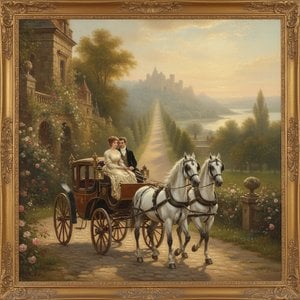
Embark on a visual journey through the romantic world of horse carriage art. Discover the mastery of equestrian oil paintings, from Impressionist textures to classical realism, and learn how to bring timeless elegance into your home with museum-quality reproductions.

Discover the breathtaking equestrian mastery of Sir Alfred James Munnings. Explore an art-history journey through his impressionistic captures of motion, light, and rural elegance, perfect for the discerning classic art enthusiast and collector.

Immerse yourself in the majesty of equestrian art. Discover museum-quality, hand-painted horse reproductions and bespoke commissions that capture the power and grace of the equine form. Perfect for discerning collectors seeking timeless elegance and unparalleled craftsmanship.

Explore the profound beauty of equestrian art. From the realism of Meissonier to impressionistic studies, discover how master techniques capture the noble spirit of the horse in fine oil reproductions and custom commissions.
 Переглянути в інтер'єрі
 Надіслати як листівку
 Поділитися
 Деталі витвору
 Посібник

 Завантажити
 Схожі екземпляри
 Рентгенівське дослідження
 Слайд-шоу
 Питання та відповіді
 Статистика

 Розгорнути текст






































 Скляний варіант доступний лише для розмірів до 110 см


