Переглянути в інтер'єрі Примірка в AR Перейти до друку Купити картину ручної роботи Надіслати
Деталі Посібник Додати до улюблених Завантажити Схожі предмети колекціонування Рентгенівське дослідження Слайд-шоу Статистика переглядів

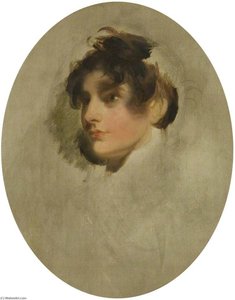
Samuel Woodburn

Sir Thomas Lawrence’s ‘Samuel Woodburn’ (1820) – a striking Regency portrait showcasing dramatic chiaroscuro & wealth symbolism. Oil on canvas, 109x84cm. Explore this classic British artwork.

"UkrainianMetaDescription": "Тімас Лорренс – видатний британський портретист епохи Регентства, відомий своїми блискучими та витонченими портретами аристократії, що передають характер і красу епохи."

Придбайте цифрову копію високої роздільної здатності з покращеною якістю, що значно перевершує онлайн-перегляд.

Кожен файл ретельно підготовлений нашими фахівцями за допомогою сучасних інструментів та професійної ручної ретуші. Ми гарантуємо виняткову чіткість, точну передачу кольору та високу деталізацію кожного зображення.

Фінальний файл надсилається електронною поштою протягом 72 годин і оптимізований для негайного використання у професійних виданнях та друкованих матеріалах. Таку якість обирають провідні дизайнерські студії, видавництва та галереї.

Цифрове зображення

Завантажте файл високої роздільної здатності для особистого використання, друку та творчих проєктів. ( Перейти до друку Купити картину ручної роботи)

Загальна вартість

$ 24,90

Що входить у кожне замовлення цифрових зображень

Експертна цифрова доставка з гарантією якості

Обираючи WahooArt.com, ви отримуєте не просто зображення — ви отримуєте професійно вдосконалений цифровий витвір мистецтва, створений з надзвичайною точністю та підкріплений гарантією задоволення. Ось усе, що автоматично додається до вашого замовлення:

shipping_icon
Швидка доставка на email

Ваш цифровий файл із зображенням високої роздільної здатності буде надісланий вам електронною поштою протягом 72 годин після оформлення замовлення — він буде готовий до негайного використання.

canvas_icon
Цифровий файл із покращенням ШІ

Ваш витвір мистецтва професійно оптимізовано за допомогою передових інструментів штучного інтелекту та ручної корекції, що забезпечує максимальну деталізацію, чіткість і точність передачі кольорів.

insurance_icon
Безкоштовне повторне завантаження назавжди

Випадково видалили або втратили файл? Не хвилюйтеся — ми надішлемо його вам повторно в будь-який час безкоштовно.

tax_icon
Без митних зборів — завжди

Насолоджуйтесь вашим витвором мистецтва миттєво без жодних мит, зборів або плати за доставку — цифрові завантаження завжди не оподатковуються.

color_icon
Гарантія точності кольорів

Ми гарантуємо максимально точне відтворення оригінальних кольорів на вашому цифровому зображенні завдяки використанню професійних інструментів та систем управління кольором.

return_icon
100-денна гарантія задоволення клієнта

Якщо ви не задоволені придбаним цифровим зображенням, ми внесемо правки або повернемо 100% вартості протягом 100 днів — без зайвих запитань.

guarantee_icon
Гарантія повернення 100% коштів

Незадоволені покупкою? Отримайте повне повернення коштів протягом 100 днів після отримання цифрового файлу — без зайвих запитань.

discount_icon
Знижки на оптові замовлення

Купуйте 3 зображення — заощаджуйте 10% — Купуйте 5 — заощаджуйте 15% — Купуйте 10+ — заощаджуйте 20%. Чудово підходить для творчих проєктів, галерей та агентств.

Короткі факти

  • Artist: Sir Thomas Lawrence
  • Movement: Regency portraiture
  • Subject or theme: Portrait of a gentleman
  • Medium: Oil on canvas
  • Title: Samuel Woodburn
  • Dimensions: 109 x 84 cm
  • Notable elements: Chiaroscuro, wealth symbolism

Тест на знання мистецтва

У кожному запитанні лише одна правильна відповідь.

Запитання 1:
What artistic movement is most closely associated with Sir Thomas Lawrence’s portrait style?
Запитання 2:
The dramatic lighting in ‘Samuel Woodburn’ is a key characteristic of which technique?
Запитання 3:
What does the inclusion of a newspaper in ‘Samuel Woodburn’ likely symbolize?
Запитання 4:
In what year was ‘Samuel Woodburn’ painted?
Запитання 5:
Which of the following best describes the overall atmosphere created by the color palette in ‘Samuel Woodburn’?

Samuel Woodburn: A Window into Regency Society

Sir Thomas Lawrence’s “Samuel Woodburn,” painted in 1820, isn't merely a portrait; it’s a meticulously crafted window into the social and intellectual currents of Regency England. The work depicts a gentleman seated comfortably, engrossed in a newspaper – a scene instantly familiar yet imbued with subtle layers of meaning. Lawrence, one of the era’s most celebrated portraitists, masterfully employed his signature style: a dramatic interplay of light and shadow, known as chiaroscuro, to create an atmosphere both dignified and intimate.

The composition itself is carefully considered. Woodburn occupies a significant portion of the canvas, drawing the viewer's eye immediately to his face – a study in quiet contemplation. His attire, a dark coat and waistcoat paired with a crisp white shirt and cravat, speaks volumes about his status and wealth. The draped curtain in the background adds depth and a sense of enclosed space, suggesting both privacy and intellectual pursuits. Notice how Lawrence subtly uses lines to define the contours of Woodburn’s face, clothing folds, and even the newspaper itself – a testament to his keen observational skills and technical prowess.

The Art of Chiaroscuro and its Regency Significance

Lawrence's masterful use of chiaroscuro is central to the painting’s impact. The strong contrasts between light and dark aren’t simply decorative; they serve to emphasize Woodburn’s features, highlighting his intelligence and perhaps even a hint of melancholy. This technique was particularly popular during the Regency period, reflecting a fascination with theatricality and dramatic effect – elements that resonated strongly within the fashionable circles of London society. The lighting itself feels carefully orchestrated, directing our gaze towards the subject and reinforcing his importance within the scene.

Furthermore, the choice of a newspaper as Woodburn’s primary activity is significant. It speaks to the burgeoning intellectual climate of the time, where reading and debate were increasingly valued. The gentleman isn't engaged in idle leisure; he’s actively absorbing information, suggesting an engagement with current affairs and perhaps even a degree of social influence. This reflects the growing importance of the middle class and their participation in public discourse.

A Portrait of Wealth and Status

“Samuel Woodburn” is undeniably a portrait of wealth and status – hallmarks of commissioned portraits during the Regency era. The quality of the fabrics, the meticulous detail in the rendering of his clothing, and the overall sense of refinement all communicate a message of prosperity and social standing. However, Lawrence doesn’t simply present a superficial depiction of wealth; he subtly imbues the portrait with an air of dignity and intellectualism.

The painting's historical context is crucial to understanding its full significance. Sir Thomas Lawrence was not just a painter; he was a key figure in shaping the visual culture of Regency England, advising on decorum and social etiquette for the aristocracy. His portraits were commissioned by prominent figures – members of Parliament, military officers, and wealthy merchants – and served as powerful symbols of their status and influence. “Samuel Woodburn” exemplifies this role perfectly, offering a glimpse into the lives and aspirations of a privileged segment of society.

Symbolism and Emotional Resonance

Beyond its social and historical context, "Samuel Woodburn" possesses a subtle emotional resonance. The gentleman’s contemplative gaze invites us to speculate about his thoughts and experiences. Is he lost in thought? Reflecting on recent events? Perhaps simply enjoying a moment of quiet contemplation amidst the bustle of London life?

The painting's muted color palette – dominated by dark browns, blacks, and creams – contributes to this sense of introspection. It’s a somber yet dignified atmosphere, reflecting the complexities of human experience. Ultimately, “Samuel Woodburn” is more than just a portrait; it’s a carefully constructed tableau that captures the essence of Regency society—its wealth, its intellect, and its quiet moments of reflection.


Біографія митця

A Brushstroke of Regency Splendor: The Life and Art of Sir Thomas Lawrence

Sir Thomas Lawrence, born in Bristol in 1769, was a true child prodigy – an artist whose talent blossomed remarkably early. His formative years were spent traveling with his father’s innkeeping ventures across England, from Devizes to Bath. It was within the lively atmosphere of these inns that young Lawrence first began to captivate audiences, not merely reciting poetry but also sketching portraits with a surprising degree of accuracy. These early sketches, created without formal instruction and fueled by innate ability, demonstrated an entrepreneurial spirit alongside his burgeoning artistic skill – he supported his family through pastel portrait commissions while still in Bath. This independence shaped his entire career, even as he navigated the intricate world of aristocratic patronage.

Ascension to Portraiture’s Pinnacle

At the age of eighteen, Lawrence's move to London marked a decisive turning point. He swiftly established himself as a painter in oils, securing his first royal commission – a portrait of Queen Charlotte in 1789 – and instantly entering the heart of London society. Lawrence possessed an extraordinary gift: he didn’t simply replicate likenesses; he captured *character*, imbuing his subjects with a flattering yet insightful presence. He became renowned for his ability to portray the glamour and sophistication of the Regency era, painting nobility, royalty, and prominent figures with a virtuoso technique that drew comparisons to Sir Joshua Reynolds, whom Lawrence deeply admired. His election as an associate, then full member, of the Royal Academy in 1791 and 1794 solidified his position within the established art world – a testament to his skill and influence. In 1792, he was appointed Painter-in-Ordinary to the King, a prestigious role that granted him access to the highest levels of power and further elevated his status. His style evolved subtly over time, always characterized by graceful poses, rich colors, and meticulous attention to detail.

Patronage, Prestige, and the Waterloo Chamber

The Prince Regent’s (later King George IV) patronage proved instrumental in Lawrence's career trajectory. He was commissioned to paint portraits of allied leaders for the Waterloo Chamber at Windsor Castle – a monumental undertaking that showcased not only his technical prowess but also his ability to handle large-scale compositions and convey gravitas. This project, intended as a commemoration of Napoleon’s defeat, brought him widespread acclaim across Europe. In 1815, he was knighted, a significant honor recognizing his artistic achievements and service to the Crown. Later, in 1820, he assumed the presidency of the Royal Academy – a position he held until his death. Beyond painting, Lawrence played a vital role in establishing the National Gallery and securing the Elgin Marbles for Britain, demonstrating a commitment to preserving and promoting British art and culture.

A Complex Legacy

Despite his considerable success, Lawrence’s life was not without its challenges. He struggled with persistent financial difficulties throughout much of his career, often burdened by debt despite earning substantial sums from his commissions. His personal life was marked by tumultuous relationships, notably with Sally and Maria Siddons – daughters of the celebrated actress Sarah Siddons. These connections, while providing inspiration, also brought heartache and scandal. Furthermore, Lawrence’s sitters reflected the social realities of his time – including both slave owners and abolitionists – a poignant reminder of the moral ambiguities inherent in Regency society. His reputation experienced a decline during the Victorian era as tastes shifted towards more didactic art, but he has since been partially rehabilitated, recognizing him as a master of portraiture and a key figure in British artistic history. His work remains celebrated for its elegance, technical brilliance, and ability to capture the essence of his subjects – offering a captivating glimpse into the world of Regency England.

Influences and Enduring Impact

Lawrence’s artistic development was profoundly shaped by Sir Joshua Reynolds, whose emphasis on capturing character and employing a fluid brushstroke resonated deeply with the young artist. He diligently studied Old Master drawings, particularly those by Michelangelo and Raphael, absorbing their anatomical precision and compositional skills. While rooted in tradition, Lawrence's work also reflected the emerging Romantic sensibilities of his time, embracing glamour and emotional intensity. His influence can be seen in the works of later portrait painters who sought to emulate his style and capture the spirit of an era. Though he faced personal struggles and a decline in popularity during the Victorian period, Sir Thomas Lawrence’s legacy endures as one of Britain's most accomplished and captivating portraitists – a testament to his talent, charm, and enduring contribution to the world of art.
Тімас Лорънс

Тімас Лорънс

1769 - 1830 , Великобританія

Коротко про автора

  • Artistic Movement Or Style: Портретна школа Регентства
  • Artists Or Movements Influenced By This Artist: ['Романтизм']
  • Artists Who Influenced This Artist: ['Дж. Рейнольдс']
  • Date Of Birth: 13 квiтня 1769
  • Date Of Death: 7 квiтня 1830
  • Full Name: Sir Thomas Lawrence
  • Nationality: Британський
  • Notable Artworks:
    • Портрети королеви Шарлотти
    • Чотирикамерні портрети у Вотерлу
    • Самопортрет
  • Place Of Birth: Бристоль, Велика Британія