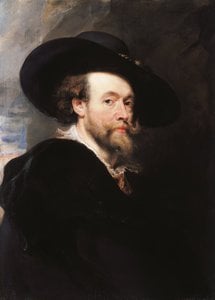
A Life Forged in Baroque Splendor
Sir Peter Paul Rubens, ім’я якого резонує з самими сутністю бароко динамізму, був набагато більше, ніж просто живописець. Він був дипломатом, вченим і культурним архітектором, який фундаментально змінив мистецький ландшафт 17-го століття в Європі. Народився у Сієґені, Німеччина, у 1577 році, його раннє життя було позначене переміщенням – формування досвідом, що тонко пронизало пізніші роботи підтекстом драматизму та емоційної глибини. Його батько, Ян Рубенс, юрист, який тікав від релігійних переслідувань за своїми кальвіністськими віруваннями, вигнав сім’ю з їхнього рідного Антверпену, тоді під іспанським правлінням. Цей початковий вигнання наділило молодого Петра Пола стійкістю та адаптивністю, якості, які служили йому протягом його різнобічної кар'єри. Після смерті батька в 1587 році сім’я повернулася до Антверпену, де він отримав гуманістичну освіту, перш ніж розпочати свою художню підготовку близько 1590 року, ставши учнем Тобіаса Верхайхта та Адама ван Ноорта, відточуючи основи навичок малювання та живопису. Однак його час з Отто ван Віном виявився вирішальним, познайомивши його з багатим спадком італійського Ренесансу – світ, який він незабаром прийняв wholeheartedly.
The Italian Awakening and Artistic Synthesis
У 1600 році Рубенс вирушив на трансформаційну подорож до Італії, паломництво, яке нерозривно сформувало його мистецьке бачення. Протягом восьми років він занурився в шедеври Мікеланджело, Рафаеля та Тіціана, поглинаючи їхню майстерність форми, кольору та композиції. Вплив цих Ренесансних гігантів очевидний у його ранніх італійських роботах, що характеризуються класичними темами та ідеалізованими фігурами. Однак Рубенс не просто наслідував; він синтезував ці впливи зі своїм власним вродженим талантом, розвиваючи вишуканий стиль, позначений яскравими відтінками, динамічними композиціями та насолодою зображення людського тіла. Він ретельно вивчав анатомію, що призвело до фігур, які мали як фізичну реалістичність, так і емоційну силу – міцні тіла, наповнені життям і рухом. Цей період не був лише художнім розвитком; це було глибоке інтелектуальне пробудження, сприяючи глибокій повазі до класичної міфології та літератури, які стали повторюваними мотивами у його творчості. Повернувшись до Антверпену в 1608 році, Рубенс швидко утвердився як провідний художник свого часу, отримавши величезну кількість замовлень, що свідчить про його зростаючу репутацію та зміцнює його позицію на передовій фламандського мистецтва.
A Master of Many Forms: Painting Beyond Boundaries
Рубенс’ова художня продукція була приголомшливо різноманітною та величною. Він не обмежувався одним жанром; замість цього він виділився в історичних полотнах, міфологічних сценах, портретах, пейзажах і релігійних роботах – свідченням своєї універсальності та безмежної творчості. Його великі полотна, часто призначені для церков, палаців і громадських місць, були вражаючими демонстраціями технічної майстерності та драматичного оповідання.
“Зняття з хреста” (близько 1616-1617 рр.) є чудовим прикладом його майстерного використання світла і тіні для створення сцени глибокої емоційної інтенсивності, залучаючи глядачів до серця історії.
“Піднесення Хреста” (1610-1611 рр.), з його кружляєчими фігурами та динамічною композицією, демонструє його здатність передавати рух і енергію – характерний елемент бароко Рубенса. Навіть у здавалося б статичних темах, таких як
“Суд над Парисом” (близько 1636 року), Рубенс наповнював їх відчуттям життя та живості за допомогою його яскравої палітри кольорів і насолоди зображення людського тіла. Його техніка була також вражаючою – майстерне володіння масляним живописом, використовуючи імпасто для створення текстури та глибини, а також делікатні техніки глазування для досягнення світлих ефектів. Він часто використовував алегоричні фігури та символічну мову, додаючи шари значень і складності, які заохочували до роздумів і інтерпретації.
Diplomacy, Legacy, and Enduring Influence
Вплив Рубенса виходив далеко за межі мистецтва. Його дипломатичні навички були високо оцінені в Південних Нідерландах (сучасна Бельгія), і він виконував численні місії до Англії, Франції та Іспанії, ведучи переговори про укладання угод і сприяючи політичним союзам – унікальна подвійний роль, яка забезпечила йому нюансоване розуміння європейських справ і ще більше підсилила його репутацію як чоловіка інтелекту та впливу. У 1630 році він одружився з Елен Рейнхардт, яка стала як його музою, так і частою темою у його картинах – її молода краса прикрашала багато з його пізніших робіт, втілюючи сенсуальність та життєву силу, що характеризували його стиль. Він продовжував малювати продуктивно до своєї смерті в Антверпені в 1640 році, залишивши величезна спадщина, яка й сьогодні вражає подихом і захопленням. Його вплив на наступні покоління художників незрівнянний; живописці, такі як Антоній ван Дейк, Якоб Жордаенс та Ежен Делакруа, черпали натхнення з його динамічних композицій, яскравих кольорів і насолоди зображення людського тіла. Рубенс не просто визначив бароковий стиль – він підняв живопис до нового рівня престижу та впливу, зміцнюючи Антверпен як важливий центр художнього виробництва в 17-му столітті. Він залишається велетнем історії мистецтва, свідченням сили людської творчості та вічної привабливості барокової розкоші.
Key Characteristics of Rubens’s Style
- Dynamic Composition: Rubens' paintings are known for their energetic and dramatic arrangements of figures.
- Vibrant Color Palette: He employed a rich, warm color scheme that brought his canvases to life.
- Sensuous Figures: His depictions of the human form were characterized by fullness, vitality, and often, overt sensuality.
- Masterful Use of Light and Shadow: Rubens skillfully manipulated light and shadow to create depth, drama, and emotional impact.
- Allegorical Symbolism: His works frequently incorporated allegorical figures and symbolic imagery, adding layers of meaning and complexity.



 Переглянути в інтер'єрі
 Купити картину ручної роботи
 Надіслати
 Поділитися
 Деталі
 Посібник

 Завантажити
 Схожі предмети колекціонування
 Рентгенівське дослідження
 Слайд-шоу
 Статистика переглядів


 Читати далі






































 Скляний варіант доступний лише для розмірів до 110 см