Oil On CanvasWallArtBaroque Painting
 1622
1622 145.0 x 180.0 cm
 Національна галерея мистецтв
Написана вручну олією на полотні у вашому розмірі та рамі, виготовлена на замовлення нашими художниками. ( Замовити принт Купити цифрове зображення)





























Обирайте з наших стандартних розмірів, що відповідають оригінальним пропорціям твору мистецтва.

Ви можете вказати власні розміри, щоб репродукція ідеально підійшла до конкретної рами або інтер'єру. Якщо вибраний вами розмір не відповідає пропорціям оригіналу, ми або обріжемо полотно, або доповнимо картину додатковими елементами, промальованими вручну. Цифровий макет буде надіслано вам на затвердження перед початком виробництва.
Зверніть увагу, що попередній перегляд на екрані не відображає фактичне обрізання або розширення зображення. Тільки макет точно покаже остаточну композицію.
Хоча ми можемо виготовити виріб у нестандартному розмірі, для збереження оригінальних пропорцій рекомендуємо обирати варіанти зі встановленого списку.
Доставка по всьому світу () за 3–4 тижні замість стандартних 5 тижнів. (7 Вересень). Без жодних компромісів у якості.


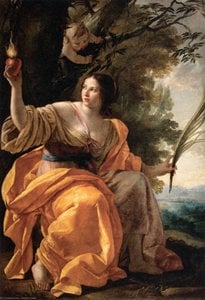
St Jerome and the Angel
Розмір репродукції
Simon Vouet’s “St. Jerome and the Angel,” painted in 1622, is more than just a depiction of a biblical scene; it's a carefully constructed meditation on divine guidance, spiritual contemplation, and the interplay between earthly and celestial realms. This masterful work, housed within the National Gallery of Art in Washington D.C., exemplifies the burgeoning Baroque style’s embrace of dramatic lighting, nuanced emotion, and a heightened sense of realism that distinguished it from the preceding Mannerism. The painting immediately draws the viewer into a scene brimming with quiet intensity – a moment of profound communication between the venerable Saint Jerome, known for his dedication to prayer and translation of the Bible, and the radiant angel who appears before him.
Vouet’s technical prowess is evident in every brushstroke. He skillfully employs *chiaroscuro*, a technique borrowed from Caravaggio, to create a dramatic contrast between light and shadow. The angel, bathed in an ethereal glow, stands in sharp relief against the darker, more muted tones of Jerome's robe and the shadowed background. This deliberate use of light isn’t merely aesthetic; it serves to emphasize the angel’s divine presence and the transformative nature of his message. The composition is carefully balanced – Jerome, a figure of venerable age and contemplative posture, occupies the lower portion of the canvas, while the dynamic angel dominates the upper register, creating a visual hierarchy that underscores their roles in the narrative.
Painted during Vouet’s extended sojourn in Rome, “St. Jerome and the Angel” reflects the profound influence of Italian art on French painting at the time. Vouet had immersed himself in the works of masters like Caravaggio, Paolo Veronese, and the Carracci brothers, absorbing their techniques and philosophies. However, he didn’t simply mimic these artists; instead, he synthesized their innovations with his own distinctive style, creating a uniquely French interpretation of the Baroque aesthetic. The painting showcases a move away from the stylized poses and flattened perspectives of Mannerism towards a more naturalistic approach to form and space – a hallmark of the emerging Baroque style.
The historical context is crucial to understanding the work’s significance. The early 17th century was a period of intense religious fervor in Europe, fueled by the Counter-Reformation. Paintings like this one were often commissioned by the Catholic Church as didactic tools – intended to inspire piety and reinforce orthodox doctrine. The scene of St. Jerome receiving divine guidance speaks directly to this purpose, offering a visual representation of faith, humility, and the promise of salvation.
Beyond its religious subject matter, “St. Jerome and the Angel” is rich in symbolic detail. The book held by Jerome represents his life’s work – the translation of the Bible into Latin. The angel's outstretched hand and pointing finger symbolize divine instruction and revelation. The cup at the center of the image may represent the Holy Spirit or a symbol of spiritual nourishment. Notably, the angel is depicted not as a majestic, imposing figure but as a youthful, almost mischievous presence – suggesting that divine guidance can be both challenging and joyful.
The emotional impact of the painting is profound. The quiet intensity of Jerome’s expression, combined with the radiant beauty of the angel, evokes a sense of reverence and wonder. The scene invites viewers to contemplate their own relationship with faith and the possibility of receiving divine guidance in their lives. It's a moment suspended in time – a dialogue between man and God, rendered with exquisite skill and profound sensitivity.
Simon Vouet’s “St. Jerome and the Angel” stands as a testament to his artistic genius and his pivotal role in shaping the course of French painting. It exemplifies the transition from Mannerism to Baroque, showcasing the innovative techniques and stylistic choices that defined this transformative period. Today, reproductions of this captivating work continue to inspire artists and collectors alike, offering a glimpse into a world where faith, beauty, and light converge in a timeless tableau.

Симон Вує, народжений у самому серці Парижа в 1590 році, став ключовою фігурою у перехідному періоді французької живописної школи від маньєризму до витонченого та динамічного бароко. Його шлях – це захоплива історія подорожей, навчання та творчого синтезу, що назавжди змінило обличчя французького мистецтва. З дитинства оточений мистецтвом – батько Лоран був художником, а брат Обін також присвятив себе творчості – Вує отримав міцну основу для майбутніх звершень. Його онук, Лудовіко Дориньї, продовжив сімейну традицію, залишивши свій слід в історії мистецтва.
Кар'єра Вує розпочалася з портретного живопису, де він швидко проявив свій талант. У віці лише чотирнадцяти років він вирушив до Англії для виконання замовлення на портрет, що вже тоді свідчило про зростаючу репутацію молодого художника. Подальша подорож у супроводі барона де Сансі, французького посланника при Османській імперії, відкрила перед ним світ Сходу та привела до Венеції в 1612 році. Саме перебування в Римі протягом тринадцяти років (1614-1627) стало вирішальним етапом у його творчому розвитку. Римська мистецька сцена бурлила енергією, і Вує повністю занурився в неї.
В Римі він вивчав драматичне освітлення Караваджо, поєднуючи це з елементами італійського маньєризму. Він ретельно аналізував палітри кольорів та техніку di sotto in su (перспектива знизу вгору), яку використовував Паоло Веронезе. Натхнення черпав також із творчості братів Караччі, Гуерчіно, Ланфранко та Гвідо Рені, вміло синтезуючи ці різноманітні стилі у власну неповторну художню візію. Цей період став часом інтенсивного навчання та формування його індивідуального стилю.
Успіх Вує в Римі був визнаний обранням на посаду президента престижної Академії Святого Луки – свідчення його майстерності та поваги в італійському мистецькому світі. Повернувшись у Францію в 1627 році, він взяв на себе роль провідника нового стилю, принісши з собою динамізм та велич італійського бароко. Незабаром Вує був призначений Premier peintre du Roi (Першим живописцем короля), що стало вершиною його кар'єри та надало йому значний вплив на французьке мистецтво.
Вує очолював велику та активну майстерню, де навчалося чимало художників, які згодом сформують наступне покоління французьких митців. Серед його найвпливовіших учнів були Шарль Леруа (згодом організатор усіх декоративних робіт у Версалі), Валентен де Булон, Шарль Альфонс дю Фресно, П’єр Меньяр, Есташ Ле Сюр та Клод Меллан. Його вплив відчутний у грандіозних декоративних схемах, замовлених Людовіком XIV, що стали символом епохи.
Симон Вує назавжди закарбувався в історії як ключова фігура, яка з'єднала італійське та французьке мистецтво. Він успішно адаптував динамізм та велич італійського бароко до смаків французького двору та аристократії. Його внесок у розвиток французької живописної школи XVII століття незаперечний, і його творчість продовжує захоплювати дослідників мистецтва й сьогодні.

1590 - 1649 , Франція
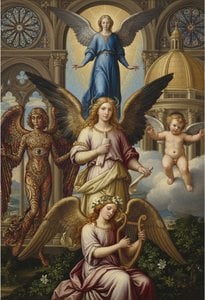
Explore the profound beauty of angelic figures in art history. From Renaissance masterpieces to celestial symbolism, our expert guide offers a sophisticated journey through the divine imagery of the Old Masters for discerning collectors and art enthusiasts.

 Переглянути в інтер'єрі
 Надіслати як листівку
 Поділитися
 Детальніше

 Завантажити
 Схожі експонати
 Рентгенівське дослідження
 Слайд-шоу
 Читати далі







 Скляний варіант доступний лише для розмірів до 110 см