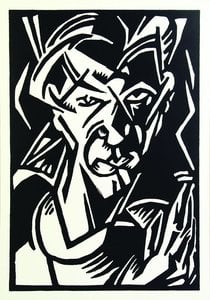
Шандор Бортнюк: Ткач тіней та символізму
Шандор Бортнюк (1893–1976) залишається глибоко загадковою постаттю в історії угорського мистецтва — митцем, чиї сповнені примарності твори й досі резонують потужним поєднанням символізму, експресіонізму та архітектурної точності. Народившись у Марошвєшєлі, Трансильванія, що на той час була частиною Королівства Угорського, Бортнюк прожив життя, позначене вимушеним переселенням та невпинним мистецьким пошуком, що зрештою зробило його одним із найсамобутніших голосів свого покоління. Його спадщина полягає не лише у величезному масиві полотен та графічних проєктів, а й у його ключовій ролі педагога, який плекав нову хвилю угорських митців у межах принципів Баухаусу.
Ранні роки та джерела натхнення
Перші кроки у мистецькій освіті Бортнюк зробив у Будапешті, де його одразу привабила життєдайна енергія фовізму. Проте політичні потрясіння після Першої світової війни змусили його піти у вигнання, що врешті-решт привело його до Ваймара у 1922 році. Це переміщення стало трансформаційним: він опинився в революційному середовищі школи Баухаус. Принципи функціоналізму, геометричної абстракції та акцент на майстерності ремесла глибоко вплинули на його творчий розвиток. Навчаючись у таких майстрів, як Йоганнес Іттен та Ліонель Фейнінгер, він вбирав їхню філософію, одночасно виковуючи власну унікальну візуальну мову. Вплив кубізму чітко простежується в його ранніх роботах, особливо у фрагментації форм та дослідженні множинних перспектив — техніці, яку він згодом майстерно інтегрує із символічними образами.
Майстер комерційного мистецтва та графічного дизайну
Попри прихильність до авангардних рухів, кар'єра Бортнюка була нерозривно пов'язана зі світом комерційного мистецтва. Він швидко зарекомендував себе як затребуваний дизайнер плакатів, створюючи вражаючі візуальні комунікації для найрізноманітніших клієнтів — від виробників парфумів, таких як Savoly, до тютюнових компаній на кшталт Modiano. Ці плакати — не просто реклама; це мініатюрні витвори мистецтва, що вирізняються сміливими кольорами, динамічними композиціями та часто просякнуті відчуттям меланхолії чи передчуття чогось тривожного. Його проєкти були надзвичайно інноваційними для свого часу, привносячи естетику модерністського конструктивизму на угорський ринок.
Майстерня та спадщина Баухаусу
У 1928 році Бортнюк заснував «Майстерню» (Mühely) — приватну художню школу в Будапешті, яка стала надважливим інкубатором для угорських талантів. Орієнтуючись на принципи Баухаусу, він робив ставку на експерименти з матеріалами, техніками та концептуальними підходами. Його навчальна програма плекала дух новаторства та спонукала студентів кидати виклик традиційним уявленням про створення мистецтва. Він також обіймав посаду директора Угорської академії образотворчих мистецтв з 1949 по 1956 рік, формуючи мистецький ландшафт післявоєнної Угорщини. Його відданість освіті виходила за межі формального навчання: він активно прагнув відкрити своїм учням міжнародні здобутки в галузі мистецтва та дизайну, сприяючи міжкультурному діалогу, що збагачував їхню творчу практику.
Теми смерті, трансформації та міського ландшафту
Творчість Бортнюка глибоко зосереджена на темах смерті, розпаду та трансформації. Його найвідоміші роботи — часто звані «тунельною живописом» — зображують клаустрофобні простори, наповнені спотвореними постатями, фрагментованими формами та всеосяжним відчуттям неспокою. Ці образи відгукуються на психологічну тривогу модерності, відображаючи зацікавленість смертністю та крихкістю людського існування. Використання темних кольорів, драматичного освітлення та символічних образів — таких як черепи, зів'ялі квіти та самотні постаті — створює атмосферу глибокої меланхолії. Проте посеред цієї темряви часто пробивається проблиск надії чи стійкості, що натякає на можливість оновлення та переродження. Його картини часто зображують міські ландшафти, уловлюючи ізоляцію та відчуженість сучасного життя, водночас досліджуючи красу та таємницю, приховану в тінях міста.
Творчість Бортнюка продовжують вивчати та захоплюватися нею завдяки її примарній красі, технічній досконалості та глибокому дослідженню людської природи. Він залишається ключовою постаттю в історії угорського мистецтва, свідченням сили художнього бачення та невмирущої спадщини руху Баухаус.



 Переглянути в інтер'єрі
 Перейти до друку
 Надіслати
 Поділитися
 Деталі
 Посібник

 Завантажити
 Схожі предмети колекціонування
 Рентгенівське дослідження
 Слайд-шоу
 Статистика переглядів
 Читати далі