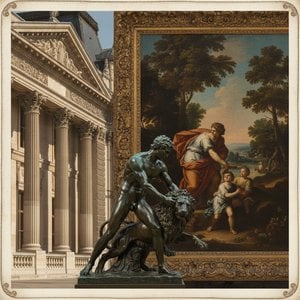
Біографія митця
Salvator Rosa
Salvator Rosa (1615 – March 15, 1673) є одним із найоригінальніших художників епохи бароко в Італії, поетом та гравцем на деревах. Він народився в Ареналлі, недалеко від Неаполя, ймовірно, 20 червня або 21 липня 1615 року. Його мати, Джулія Грека Роса, була членом однієї з грецьких родин Сицилії. Хоча його батько прагнув йому стати юристом чи священником, Сальваторе проявляв перевагу мистецтву ще в ранньому віці.
Художня кар'єра
Художня кар’єра Роси вирізнялася своєрідним та екстравагантним стилем, що відрізнявся від своїх сучасників. Він працював у Неаполі, Римі та Флоренції, і його творчість була впливовою німеровою художкою риберою та класиком Пуссені. Проте він відмовлявся бути зв’язаним будь-яким певним стилем чи напрямом. Його полотно «Піфагор виходить з підземного світу» у Музеї Кімбелла в Форт Ворту демонструє його унікальне поєднання філософських та художніх тем. Його картина «Баптизм Юнака» у Музеї Хрізлерів у Норфолку показує здатність Роси інспірувати високу драму навіть у найпростіших біблійних історіях. Він був серед найвідоміших художників свого часу, відомий своєю харизмою та інтелектом, а також як талановитий поет і драматург. Його творчість була впливовою німеровою художкою риберою та класиком Пуссені.
Впливи та спадок
Творчість Роси мала значний вплив на розвиток бароко в мистецтві. Його стиль був унікальним і відрізнявся від інших художників епохи, зокрема від Луки Джованні, який продовжував розширювати межі художньої експресії. Він був одним із найвидатніших художників свого часу та впливовим інтелектом, а також як талановитий поет і драматург. Його полотна часто зображували дикі пейзажі та філософські теми, що відрізнялися від класичних поглядів на природу, які були популярними у той час. Він був одним із найвидатніших художників свого часу та впливовим інтелектом, а також як талановитий поет і драматург. Його творчість була впливовою німеровою художкою риберою та класиком Пуссені. Його стиль був унікальним і відрізнявся від інших художників епохи, зокрема від Луки Джованні, який продовжував розширювати межі художньої експресії. Він був одним із найвидатніших художників свого часу та впливовим інтелектом, а також як талановитий поет і драматург. Його творчість була впливовою німеровою художкою риберою та класиком Пуссені. Його стиль був унікальним і відрізнявся від інших художників епохи, зокрема від Луки Джованні, який продовжував розширювати межі художньої експресії. Він був одним із найвидатніших художників свого часу та впливовим інтелектом, а також як талановитий поет і драматург. Його творчість була впливовою німеровою художкою риберою та класиком Пуссені. Його стиль був унікальним і відрізнявся від інших художників епохи, зокрема від Луки Джованні, який продовжував розширювати межі художньої експресії. Він був одним із найвидатніших художників свого часу та впливовим інтелектом, а також як талановитий поет і драматург. Його творчість була впливовою німеровою художкою риберою та класиком Пуссені. Його стиль був унікальним і відрізнявся від інших художників епохи, зокрема від Луки Джованні, який продовжував розширювати межі художньої експресії. Він був одним із найвидатніших художників свого часу та впливовим інтелектом, а також як талановитий поет і драматург. Його творчість була впливовою німеровою художкою риберою та класиком Пуссені. Його стиль був унікальним і відрізнявся від інших художників епохи, зокрема від Луки Джованні, який продовжував розширювати межі художньої експресії. Він був одним із найвидатніших художників свого часу та впливовим інтелектом, а також як талановитий поет і драматург. Його творчість була впливовою німеровою художкою риберою та класиком Пуссені. Його стиль був унікальним і відрізнявся від інших художників епохи, зокрема від Луки Джованні, який продовжував розширювати межі художньої експресії. Він був одним із найвидатніших художників свого часу та впливовим інтелектом, а також як талановитий поет і драматург. Його творчість була впливовою німеровою художкою риберою та класиком Пуссені. Його стиль був унікальним і відрізнявся від інших художників епохи, зокрема від Луки Джованні, який продовжував розширювати межі художньої експресії. Він був одним із найвидатніших художників свого часу та впливовим інтелектом, а також як талановитий поет і драматург. Його творчість була впливовою німеровою художкою риберою та класиком Пуссені. Його стиль був унікальним і відрізнявся від інших художників епохи, зокрема від Луки Джованні, який продовжував розширювати межі художньої експресії. Він був одним із найвидатніших художників свого часу та впливовим інтелектом, а також як талановитий поет і драматург. Його творчість була впливовою німеровою художкою риберою та класиком Пуссені. Його стиль був унікальним і відрізнявся від інших художників епохи, зокрема від Луки Джованні, який продовжував розширювати межі художньої експресії. Він був одним із найвидатніших художників свого часу та впливовим інтелектом, а також як талановитий поет і драматург. Його творчість була впливовою німеровою художкою риберою та класиком Пуссені. Його стиль був унікальним і відрізнявся від інших художників епохи, зокрема від Луки Джованні, який продовжував розширювати межі художньої експресії. Він був одним із найвидатніших художників свого часу та впливовим інтелектом, а також як талановитий поет і драматург. Його творчість була впливовою німеровою художкою риберою та класиком Пуссені. Його стиль був унікальним і відрізнявся від інших художників епохи, зокрема від Луки Джованні, який продовжував розширювати межі художньої експресії. Він був одним із найвидатніших художників свого часу та впливовим інтелектом, а також як талановитий поет і драматург. Його творчість була впливовою німеровою художкою риберою та класиком Пуссені. Його стиль був унікальним і відрізнявся від інших художників епохи, зокрема від Луки Джованні, який продовжував розширювати межі художньої експресії. Він був одним із найвидатніших художників свого часу та впливовим інтелектом, а також як талановитий поет і драматург. Його творчість була впливовою німеровою художкою риберою та класиком Пуссені. Його стиль був унікальним і відрізнявся від інших художників епохи, зокрема від Луки Джованні, який продовжував розширювати межі художньої експресії. Він був одним із найвидатніших художників свого часу та впливовим інтелектом, а також як талановитий поет і драматург. Його творчість була впливовою німеровою художкою риберою та класиком Пуссені. Його стиль був унікальним і відрізнявся від інших художників епохи, зокрема від Луки Джованні, який продовжував розширювати межі художньої експресії. Він був одним із найвидатніших художників свого часу та



 Переглянути в інтер'єрі
 Перейти до друку
 Надіслати
 Поділитися
 Деталі
 Посібник

 Завантажити
 Схожі предмети колекціонування
 Рентгенівське дослідження
 Слайд-шоу
 Статистика переглядів


 Читати далі






































 Скляний варіант доступний лише для розмірів до 110 см