Мистецький твір, представлений на цій сторінці, захищений законом про авторське право, що унеможливлює легальне створення або продаж його ідентичної репродукції. Цей захист забезпечується відповідно до міжнародних угод, таких як Бернська конвенція та національним законодавством, зокрема положеннями, що викладені в Законодавство США про авторське право — Розділ 17. Всі права захищені. Будь-яке використання без дозволу заборонено.
Цей метод повністю відповідає нормам авторського права, оскільки він не передбачає копіювання чи дублювання захищеного твору мистецтва. Натомість це творче переосмислення — створення нового малюнка під впливом оригіналу, який не є його точним відтворенням.
Друк جيкле або на полотні музейної якості з оперативним виготовленням та різноманітними варіантами фінішної обробки. ( Замовити картину ручної роботи Перейти до цифрових зображень)





























Обирайте з наших стандартних розмірів, що відповідають оригінальним пропорціям твору мистецтва.

Введіть необхідну ширину та висоту, щоб принт ідеально підійшов до вашої рами або стіни. Принт можна лише обрізати, але не можна зробити більшим за оригінал, тому при зміні пропорцій частина зображення буде втрачена. Перед друком ми надсилаємо вам цифровий макет для затвердження. Зображення на цій сторінці не відображає реальну обрізку — її можна побачити лише на макеті.
Доставка по всьому світу () за 2 тижні замість стандартних 4/5 тижнів. (21 Листопад)
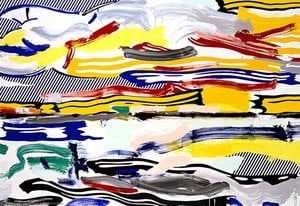
Sinking Sun
Розмір репродукції
Roy Lichtenstein’s Sinking Sun, painted in 1964, isn't merely a depiction of a sunset; it’s a carefully constructed meditation on the anxieties and visual language of the burgeoning Pop Art movement. Emerging from the shadows of Abstract Expressionism, Lichtenstein sought to dismantle traditional notions of fine art by embracing the imagery of popular culture – advertising, comic books, and everyday objects – transforming them into sophisticated works of art. Sinking Sun embodies this shift perfectly, capturing a fleeting moment of dramatic beauty while simultaneously hinting at an underlying sense of unease.
The painting’s genesis lies in the artist's fascination with the visual techniques employed in commercial printing, particularly the use of Ben-Day dots. This technique, borrowed from the world of mass production, creates a mosaic effect of tiny colored squares that mimics the appearance of halftone patterns found in newspapers and magazines. Lichtenstein masterfully employs this method to render the fiery hues of the sunset – vibrant yellows, deep oranges, and streaks of purple – imbuing the scene with an almost photographic quality while simultaneously distancing it from traditional representational painting. The deliberate flatness of the color fields contributes to the work’s immediate impact, drawing the viewer into its bold and dynamic composition.
The composition of Sinking Sun is deceptively simple yet profoundly effective. A dramatic sunset dominates the canvas, with a large, cloud-obscured sun positioned just above the horizon line. The clouds themselves are rendered in soft pinks and blues, creating a sense of depth and atmospheric perspective. A subtle rainbow arcs across the upper portion of the painting, adding a touch of hopeful beauty to the scene – a fleeting promise after the intensity of the sunset. However, it’s not just a picturesque landscape; the receding horizon line suggests a downward trajectory, subtly conveying a feeling of decline or transition.
The choice of subject matter itself is significant. A sinking sun has long been a potent symbol in art and literature, representing endings, mortality, and the passage of time. In Sinking Sun, this symbolism is amplified by Lichtenstein’s stylistic choices. The bright colors and simplified forms contrast sharply with the melancholic connotations of the subject matter, creating a compelling tension between beauty and sadness.
Lichtenstein’s work, including Sinking Sun, played a pivotal role in challenging established artistic conventions. By appropriating imagery from popular culture – a deliberate move away from the traditional subjects of fine art – he questioned the very definition of what constituted “art.” His use of comic book aesthetics, bold colors, and mass-produced techniques directly confronted the elitism and intellectualism often associated with the art world. Sinking Sun exemplifies this challenge, demonstrating how seemingly mundane imagery could be elevated to a level of artistic significance.
Today, Sinking Sun is recognized as an iconic image of American Pop Art and a testament to Lichtenstein’s innovative approach. Its vibrant colors, meticulous attention to detail, and subtle symbolism continue to resonate with viewers. The painting serves as a poignant reminder of the cultural landscape of its time – a period marked by rapid technological advancements, consumerism, and a growing sense of uncertainty. More than just a beautiful image, Sinking Sun offers a glimpse into the anxieties and aspirations of a generation grappling with the complexities of modernity. It’s a work that invites contemplation and rewards repeated viewing, revealing new layers of meaning with each encounter.
Further Resources: Roy Lichtenstein: Sinking sun, Roy Lichtenstein: Figures with sunset, Roy Lichtenstein: We rose up slowly, Roy Lichtenstein: Crying girl
Artist Information: Roy Fox Lichtenstein (1923-1997) was an American pop artist. He rose to prominence in the 1960s through pieces which were inspired by popular advertising and the comic book style. Much of his work explores the relationship between fine art, advertising, and consumerism.
Additional Research: Roy Lichtenstein, Roy Lichtenstein Foundation
Для роботи «Sinking Sun» роботи Рой Ліхтенштейн рекомендується репродукція розміром Medium. Розмір можна змінювати, зберігаючи пропорції.
Мистецтвознавча класифікація «Sinking Sun» роботи Рой Ліхтенштейн — це Pop Art, період Modern.
Зафіксовані значення для «Sinking Sun» роботи Рой Ліхтенштейн: яскравість — brilliant, світловий потік — Bright Balance.

Мангтан, Нью-Йорк, 27 жовтня 1923 року. Рой Ліхтенштейн з'являється на світ як син Мілтона та Беатріс. Урбаністична енергія мегаполіса стає фоном для життя, яке згодом кине виклик межам образотворчого мистецтва. Він зростає в єврейській родині, що належить до верхівки середнього класу, вбираючи культурні ритми міста через музеї та джазову музику.
Траєкторія його кар'єри докорінно змінюється в середині XX століття. Він постає як провідна поста руху Поп-арт — епохи, що визначена радикальним відходом від важких, емоційних мазків абстрактного експресіонізму. Замість того, щоб заглядати всередину себе, він звертає погляд назовні — на глянцеві, механічні поверхні американської масової культури. Свої предмети дослідження він знаходить у найбільш ігнорованих куточках повсякденного життя: у драматичних кадрах коміксів та різких, повторюваних візерунках комерційної реклами.
Його роботи перетворюють ефемерну мову друку на щось монументальне. Приймаючи візуальну скорочену мову мас, він створює конфлікт між престижем елітних галерей та повсякденним пульсом вулиць. Його присутність у світі мистецтва позначена свідомою відстороненістю: він використовує ті самі інструменти промислового відтворення, щоб переосмислити саму суть того, чим може бути живопис.
Манхеттен, 1923 рік. Величне місто стає фоном для появи на світ Роя Фокса Ліхтенштейна, який народився в єврейській родині, що належала до верхівки середнього класу. Його батько, Мілтон, працював маклером з нерухомості, тоді як мати, Беатріс, професійна піаністка, відкривала синові світ культурних ритмів Нью-Йорка. Ці ранні роки були сповнені подвійного занурення — у візуальне та аудіальне мистецтво; дитинство він провів, відвідуючи музеї та концерти, що сформувало в ньому глибоку любов до джазу, яка супроводжувала його протягом усього життя.
У 1939 році вектор його життя змінюється в бік суворої дисципліни. Він вступає до Художнього студентського клубу Нью-Йорка, стаючи учнем Реджинальда Марша. Тут основна увага приділяється фундаментальним основам малювання та живопису. Від цих перших художніх пошуків він переходить до вищої освіти, вступаючи до Університету штату Огайо для здобуття ступеня у галузі образотворчого мистецтва. Саме цей академічний фундамент забезпечив ту технічну витонченість і суворість, які згодом стануть опорою для його радикального відходу від традиційних канонів представлення реальності.
Траєкторія навчання Ліхтенштейна різко змінюється у 1943 році. Військовий призов вириває його з аудиторій і відправляє до армії Сполучених Штатів. Протягом двох років фокус його життя зміщується зі студії на передову в Європі. Він служить у Франції, Бельгії та Німеччині, долаючи хаос воєнних років між 1943 та 1945 роками. У цей період він працює санітаром, креслярником та художником, закарбовуючи на папері реальність навколишнього світу, поки конфлікт досягає свого піку.
Війна закінчується, проте повернення до цивільного життя не є миттєвим. Після припинення бойових дій у 1945 році Рой Ліхтенштейн на деякий час залишається у Франції, маючи намір навчатися в Сорбонні. Цей план руйнується через серйозну хворобу батька, що змушує його повернутися до Сполучених Штатів. Він вирушає назад до Університету штату Огайо, щоб завершити розпочату справу. До 1946 року він здобуває ступінь бакалавра мистецтв, стаючи готовим знову увійти у професійне мистецьке середовище як підготовлений майстер.
Післявоєнне становлення Роя Ліхтенштейна проходить крізь академічні ландшафти американського Середнього Заходу та Східного узбережжя. Протягом десятиліття він працює викладачем мистецтва в Університеті штату Огайо, займаючи цю посаду з перервами. Саме в цей період відбувається фундаментальний зсув у його творчому пошуку: він відходить від важких, емоційних мазків абстрактного експресіонізму. Натомість він починає експериментувати з кубістичними інтерпретаціями та ліричними полотнами, натхненними гобеленом з Байо. Також він досліджує тематику Дикого Заходу, створюючи серії малюнків та картин, що відображають його зростаючий інтерес до стилізованих, друкованих образів.
Перехід до більш графічної мови прискорюється завдяки його різним академічним призначенням. У 1957 році він переїжджає до Університету штату Нью-Йорк в Освейго, щоб викладати промисловий дизайн. Ця роль збігається з періодом інтенсивних експериментів. Він починає поєднувати персонажів мультфільмів, таких як Міккі Маус та Дональд Дак, з абстрактними фонами. Такий гібридний підхід стає відходом від традиційного образотворчого мистецтва. Згодом він працює професором-асистентом у Коледжі Дугласа, в Ратгерському університеті штату Нью-Джерсі, а також у SUNY Oswego. Саме це академічне середовище дало йому стабільність, необхідну для вдосконалення візуальної мови, яка відкидає текстуру традиційного живопису на користь чогось більш механічного та відстороненого.
Полотно перетворюється на простір механічної точності. Рой Ліхтенштейн свідомо відмовляється від видимого мазка пензля, замінюючи живий жест художника холодним, розрахованим языком масового виробництва. Він переймає естетику коміксів та реклами, використовуючи насичені основні кольори та масивні чорні контури для визначення своїх об'єктів. Зображення здається відстороненим, імітуючи пласку, безособову якість друкованої сторінки, а не поверхню, розписану вручну.
Текстура досягається завдяки навмисному, систематичному застосуванню точок Бен-Дея. Ці маленькі кольорові кружечки створюють тіні та градації, відтворюючи вигляд дешевого комерційного друку. Він не розписує ці точки індивідуально; натомість він використовує трафарети з тонкого пластику або металу, проводячи пензлем або ганчіркою по поверхні, щоб забезпечити рівномірний, машинний вигляд. Ця техніка перетворює сам акт малювання на процес репродукування, розмиваючи межу між високим мистецтвом та промисловим продуктом.
Переломний момент у становленні його унікального стилю настає у 1961 році з появою картини Look Mickey. У цьому творі апропріація персонажа Діснея стає рішучим відходом від його ранніх абстрактних експериментів. Рой Ліхтенштейн відмовляється від важких, емоційних мазків пензля, притаманних попередньому десятиліттю, натомість обираючи механічну чіткість коміксного кадру. Ця робота стає своєрідним мостом, що перекладає мову дешевої бульварної прози на мову формальної масштабної композиції.
До 1963 року масштаби його візуального дослідження стрімко розширюються. Полотно Whaam! буквально вибухає на очах у глядача, використовуючи драматичні, фрагментовані панелі воєнних коміксів, щоб зафіксувати момент надзвичайної, напруженої жорстокості. Водночас Drowning Girl пропонує зовсім інший вид напруги. Вона зосереджена на постаті жінки, зануреної у воду, чиє обличчя прикрашене стилізованими сльозами, а хмарка з текстом виражає відчуття особистого виклику. Ці твори не просто зображують сцени — вони заморожують мелодраму масової культури, перетворюючи її на статичні графічні об'єкти.
Картина 1964 року Nurse продовжує це дослідження романтичного та драматичного. Вона використовує ті самі висококонтрастні контури та точки Бен-Дея, що визначають його найбільш впізнаваний період. Образ медсестри з коміксу-романсу подано з такою відстороненістю, що це підкреслює штучність першоджерела. Творчість Роя Ліхтенштейна в цю епоху залишається зосередженою на перетині людських емоцій та механічного відтворення.
1960-ті роки принесли зміни в його особисте життя, коли у 1968 році він одружився з Дороті Герзкою. Цей період став часом безперервного творчого пошуку, коли Рой Ліхтенштейн продовжував створювати величезний масив робіт, розширюючи межі свого мистецтва через різні медіа. Його творча продуктивність залишалася надзвичайно високою: він створив понад п'ять тисяч творів, серед яких були картини, скульптури та мурали. Поступово він вийшов за межі первинного ефекту шоку, який викликав його стиль, натхненний коміксами, і почав досліджувати складніші композиції, зокрема серії, що посилалися на класичне мистецтво та пейзажі.
Кінець настав раптово наприкінці 1990-х років. У серпні 1997 року він захворів на пневмонію. Хвороба виявилася надто важкою для його організму. Рой Ліхтенштейн помер від ускладнень інфекції 29 вересня 1997 року. Йому було 73 роки.
Під впливом його творчості межі між високим мистецтвом та масовою культурою остаточно розмиваються. Піднявши візуальну мову коміксів та реклами на рівень галерейного мистецтва, він спровокував неминуче зіткнення між витонченим образотворчим мистецтвом та тиражованими образами повсякденного життя. Цей зсув зробив набагато більше, ніж просто змінив тематику живопису; він кинув виклик самому поняттю художнього авторства та оригінальності. Його роботи залишаються потужним каталізатором для критичного діалогу про перетин мистецтва, культури та комерції.
Його присутність відчувається у провідних музейних колекціях по всьому світу. Від залів галереї Тейт у Лондоні до Музею сучасного мистецтва в Нью-Йорку — його естетика залишається фундаментальною частиною сучасного канону. Вплив його методу проникає у графічний дизайн, ілюстрацію та сучасне цифрове мистецтво, де напруженість між механічним відтворенням та ручним малюнком продовжує відгукуватися в серцях глядачів. Рой Ліхтенштейн не просто був учасником руху Поп-арту; він став одним із його архітекторів, створивши візуальний словник, який і сьогодні слугує головним орієнтиром у тому, як ми сприймаємо образи в епоху медіа-перенасичення.

1923 - 1997 , Сполучені Штати Америки

Explore the psychological depth of Roy Lichtenstein's color theory. An expert analysis for art students and collectors on Ben-Day dots, primary palettes, and the intersection of Pop Art with mass media history.

Explore the fascinating history of Pop Art, from its rebellious origins to its enduring influence on contemporary artists. Discover key figures like Warhol & Lichtenstein and learn about collecting this iconic movement.
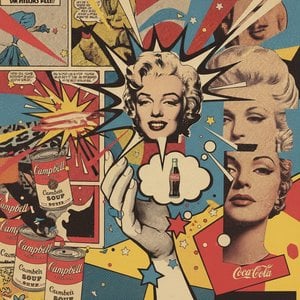
Immerse yourself in the vibrant legacy of Pop Art. Explore the stories, bold colors, and iconic techniques behind ten legendary masterpieces that redefined modern culture. Find museum-quality reproductions to elevate your space. Discover all masterpieces on WahooArt.com.

Immerse yourself in the vibrant world of Pop Art with our curated guide to Roy Lichtenstein's top 25 masterpieces. Explore the stories behind his iconic Ben-Day dots and bold comic aesthetics. Find museum-quality reproductions for your decor at WahooArt.com. Discover all masterpieces online.

Explore Roy Lichtenstein's revolutionary Pop Art! Discover the story behind Ben-Day dots, iconic works like 'Whaam!', and investment insights for collectors. Expert analysis & high-quality reproductions at WahooArt.
 Переглянути в інтер'єрі
 Надіслати як листівку
 Поділитися
 Деталі витвору
 Посібник

 Завантажити
 Схожі екземпляри
 Рентгенівське дослідження
 Слайд-шоу
 Питання та відповіді
 Статистика

 Розгорнути текст









 Скляний варіант доступний лише для розмірів до 110 см