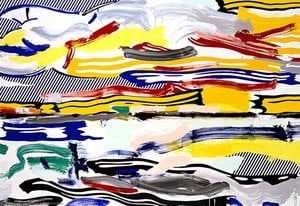
The Genesis of a Pop Visionary
Roy Fox Lichtenstein, народжений у жвавому мегаполісі Нью-Йорка 27 жовтня 1923 року, не просто зміг трансформувати ландшафт мистецтва XX століття – він активно його переосмислив, перетворюючи звичайні образи на захопливі художні заяви. Його виховання в заможній єврейській родині у верхньому середньому класі сприяло як культурній свідомості, так і ранковій творчій інстинктивності. Дитяче оточення музеями та концертами, поєднане з глибокою любов’ю до джазу, заклало основу для творчої душі, яка кидала виклик традиційним уявленням про мистецтво високого класу. Хоча спочатку він був приваблений реалістичним малюванням та живописом у свої ранні роки, формальне навчання розпочалося в 1939 році в Художньому студентському клубі під керівництвом Реджинальда Марша, а потім продовжилось у Огайо Стейт Університеті – спочатку з перервою через військову службу. Ці досхи надали міцну технічну базу, яку пізніше блискуче переосмислили крізь призму масової культури та комерційних естетик. Насіння його знакового стилю не було засіяне у святих стінах мистецьких традицій, а радше в часто ігнорованому світі повсякденних образів, особливо коміксів та реклами.
Від Абстракціонізму до Апропіації: Переломний Момент
Рання творчість Ліхтенштейна демонструвала чітке залучення до абстрактного експресіонізму, відображаючи домінуючі естетичні тенденції післявоєнної епохи. Однак цей період виявився перехідним – сходинкою до його революційного стилю. Ключовим моментом став час, проведений у Рутгерсському університеті, де він зустрів Аллана Капрова, чия вплив розпалив інтерес Ліхтенштейна до прото-поп образів. Цей збіг обставин спричинив критичний поворот у його мистецькому шляху, спонукаючи його ставити під сумнів усталені межі між «високим» та «низьким» мистецтвом. Він почав шукати за межами суб’єктивного вираження абстрактного експресіонізму – у об'єктивний мову популярної культури, зокрема, коміксів та реклами. 1961 рік став поворотним моментом з *Look Mickey*, де він відтворив персонажів Діснея з коміксів, сигналізуючи про початок його знакового стилю. Це не було просто копіювання коміксів; це був акт художнього переосмислення, піднімаючи звичайні образи на статус мистецтва високого класу. Він не просто відтворював комікси – він ретельно відтворював їх, використовуючи техніки, що імітують комерційне друкування, свідомо розмиваючи межі між оригінальним твором мистецтва та масовим виробництвом. Це апропіація не була беззастережним святкуванням споживання – це було дослідження його впливу на американське суспільство та виклик традиційним художнім ієрархіям.
Мова Бен-Дей та Сміливі Лінії
Знакова мова Ліхтенштейна миттєво впізнавана: яскраві, первинні кольори, товсті чорні контури та, найголовніше, точки Бен-Дей – техніка, запозичена безпосередньо з механічного відтворення коміксів. Ці точки не були просто декоративними; вони були інтегральною частиною його концептуальної структури, представляючи сам процес масового виробництва та кидаючи виклик традиційному акценту на майстерність художника. Його картини часто збільшували деталі з коміксів до монументальних масштабів, змушуючи глядачів зіткнутися з естетичними якостями форми мистецтва, яка зазвичай відкидалася як тривіальна. Роботи, такі як *Whaam!* (1963), *Drowning Girl* (1963) та *Oh, Jeff…I Love You, Too…But…* (1964), стали іконічними репрезентаціями Популізму. Вони не були просто зображеннями сцен з коміксів – це були коментарі до тем війни, романтики та соціальних очікувань, відфільтровані через візуальну мову масових медіа. Він прагнув позбутися будь-якої привілеї художньої суб’єктивності, представляючи свою роботу як об'єктивні відображення американського суспільства – дзеркало, що дивиться на його власну вигадану реальність. Намір розмити межі традиційної майстерності та підкреслити роль комерційних процесів у творчості також відіграв важливу роль.
Наслідки та Тривале Вплив
Вплив Ліхтенштейна поширюється далеко за межі сфери живопису. Його інноваційне використання комерційних технік та апропіації відкрили шлях для новіших поколінь художників, які досліджували теми споживання, масової інформації та культурної ідентичності. Продаж *Masterpiece* у 2017 році на суму 165 мільйонів доларів зміцнив його позицію як одного з найуспішніших американських художників усіх часів, але його спадщина не визначається виключно грошовою вартістю. Він кинув виклик традиційним уявленням про мистецьку авторність та оригінальність, змусивши переоцінити те, що вважається «мистецтвом» взагалі. Його роботи продовжують надихати дизайнерів, ілюстраторів та візуальних митців різних дисциплін.
- Основні досягнення: Породив стиль Популізму; досягнув міжнародного визнання завдяки новаторським виставам.
- Визначні роботи: *Whaam!*, *Drowning Girl*, *Oh, Jeff…I Love You, Too…But…*, *Masterpiece*.
- Кар'єра вчителя: Впливав на талановитих художників у SUNY Oswego та Рутгерсському університеті.
Ліхтенштейн покинув цей світ 29 вересня 1997 року, залишивши позаду спадщину, яка залишається такою ж актуальною та провокативною сьогодні, як і під час піку руху Популізм. Його мистецтво є потужним нагадуванням про всепроникний вплив масових медіа та їх здатність формувати наші сприйняття реальності. Він не просто відображав свій час – він активно його переосмислював, залишивши незабутній слід в історії мистецтва XX століття та продовжуючи надихати критичний діалог про взаємини між мистецтвом, культурою та комерцією.



 Переглянути в інтер'єрі
 Купити картину ручної роботи
 Надіслати
 Поділитися
 Деталі
 Посібник

 Завантажити
 Схожі предмети колекціонування
 Рентгенівське дослідження
 Слайд-шоу
 Статистика переглядів

 Читати далі






































 Скляний варіант доступний лише для розмірів до 110 см