


 Олія на твердій основіEarly Netherlandish
 — Ранній модерн
 31.0 x 22.0 cm
 Музей обратних мистецтв, Хьюстон
Написана вручну олією на полотні у вашому розмірі та рамі, виготовлена на замовлення нашими художниками. ( Замовити принт Купити цифрове зображення)





























Обирайте з наших стандартних розмірів, що відповідають оригінальним пропорціям твору мистецтва.

Ви можете вказати власні розміри, щоб репродукція ідеально підійшла до конкретної рами або інтер'єру. Якщо вибраний вами розмір не відповідає пропорціям оригіналу, ми або обріжемо полотно, або доповнимо картину додатковими елементами, промальованими вручну. Цифровий макет буде надіслано вам на затвердження перед початком виробництва.
Зверніть увагу, що попередній перегляд на екрані не відображає фактичне обрізання або розширення зображення. Тільки макет точно покаже остаточну композицію.
Хоча ми можемо виготовити виріб у нестандартному розмірі, для збереження оригінальних пропорцій рекомендуємо обирати варіанти зі встановленого списку.
Доставка по всьому світу () за 3–4 тижні замість стандартних 5 тижнів. (7 Вересень). Без жодних компромісів у якості.


Virgin and Child
Розмір репродукції
Within the hallowed halls of the Museum of Fine Arts in Houston resides a painting that transcends mere representation, offering instead a profound meditation on motherhood, divinity, and the quiet intimacy of faith – Rogier van der Weyden's "Virgin and Child." Created around 1454-1460 during the height of the Early Netherlandish school’s artistic flourishing, this work is more than just an image; it’s a carefully constructed dialogue between artist, subject, and viewer. Van der Weyden, a master renowned for his meticulous detail and ability to imbue his scenes with palpable emotion, presents us with a tableau that speaks volumes through its subtle gestures and luminous colors.
The painting depicts the Virgin Mary cradling the Christ Child, an iconic motif in Western art yet rendered here with a remarkable freshness. The composition is deceptively simple: a woman, clearly identified as Mary by her traditional attire – a flowing blue gown and a delicate crown – holds the infant Jesus close to her breast. Yet, within this apparent stillness lies a wealth of visual information and symbolic weight. Van der Weyden’s genius lies in his ability to convey complex ideas through deceptively straightforward imagery. The scene is bathed in an ethereal light, characteristic of the Early Netherlandish style, which allowed for intricate details and vibrant colors while maintaining a sense of depth and realism. The use of oil on panel was crucial here, enabling him to build up layers of paint with incredible precision, creating textures that mimic the feel of fabric and skin.
Beyond its technical brilliance, “Virgin and Child” is rich in symbolism, reflecting the deeply religious context of its creation. The blue robe worn by Mary isn’t merely decorative; it's a deliberate reference to her role as the Mother of God, associating her with heaven and divine grace. The crown adorning the Christ Child symbolizes his royal status – he is, after all, the King of Kings. However, Van der Weyden doesn’t simply present these symbols in an overtly didactic manner. Instead, he integrates them seamlessly into the scene through gesture and expression. Note how Mary's gaze is directed towards her son with a profound tenderness, while the Christ Child appears to be gazing upwards with innocent curiosity – a visual representation of their mutual love and connection.
The inclusion of a small, intricately carved wooden cartouche above the scene adds another layer of complexity. These cartouches were common in Northern European art during this period, often containing inscriptions or prayers. In this case, they likely served as a devotional element, inviting viewers to contemplate the sacredness of the depicted figures. The use of trompe l'oeil – creating an illusion of three-dimensionality – further enhances the painting’s realism and draws the viewer into its world.
To fully appreciate “Virgin and Child,” it’s essential to understand the historical context in which it was created. The late Middle Ages witnessed a remarkable cultural and artistic renaissance in the Low Countries, giving rise to a new generation of artists who pushed the boundaries of realism and emotional expression. Rogier van der Weyden was undoubtedly one of the leading figures of this movement, known for his incredible attention to detail and his ability to convey emotion through his paintings. He served as court painter to Philip the Good, Duke of Burgundy, a position that afforded him significant patronage and influence.
Interestingly, “Virgin and Child” is part of a series of Apostle paintings commissioned by Van der Weyden, including depictions of St. Matthew and St. Bartholomew. This suggests a deliberate effort on the artist’s part to explore themes of faith, piety, and devotion through a variety of religious subjects. The painting's meticulous detail and emotional resonance reflect the broader trends in Northern European art during this period – a shift away from the stylized representations of the Gothic era towards a more naturalistic and human-centered approach.
WahooArt offers meticulously crafted, hand-painted oil painting reproductions of Rogier van der Weyden’s “Virgin and Child,” allowing art lovers to own a piece of this extraordinary masterpiece. Each reproduction is created by skilled artisans who painstakingly recreate the artist's techniques, colors, and textures, ensuring that it captures the essence of the original while retaining its own unique beauty. Measuring 31 x 22 cm, this intimate rendition invites contemplation and serves as a timeless reminder of the enduring power of art to inspire and uplift.
For those seeking to delve deeper into the life and work of Rogier van der Weyden, we encourage you to visit our dedicated page for further information. And if you’re interested in exploring other works by this master of the Early Netherlandish school, please visit our comprehensive artist database.


1400 - 1464 , Бельгія
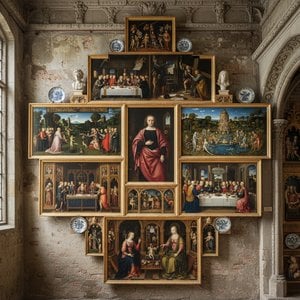
Відкрийте для себе 10 шедеврів Раннього Нідерландського Відродження! Історія ван Ейка, Рогіра ван дер Вейдена та інших майстрів. Картини епохи Ренесансу для вашого дому – придбайте розкішні репродукції на WahooArt.com.

Explore the revolutionary art of Rogier van der Weyden, a pivotal figure of the Early Netherlandish Renaissance. Discover his emotional realism, innovative compositions, and lasting impact on painting history.
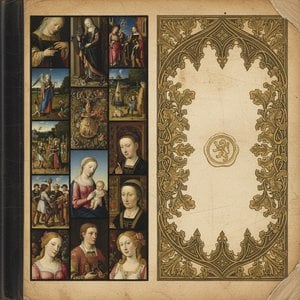
Відкрийте для себе 10 шедеврів раннього нідерландського живопису! Дізнайтесь історії ван Ейка, ван дер Вейдена та інших майстрів. Купіть високоякісні репродукції картин на WahooArt.com і додайте елегантності вашому дому.

Explore the revolutionary art of Hugo van der Goes – a master of Early Netherlandish painting renowned for his dramatic realism, psychological depth & profound influence on Renaissance artists. Discover his iconic works and lasting legacy.

Пориньте у світ Рембрандта ван Рейна! 25 культових шедеврів бароко, портретів та біблійних сцен. Купіть високоякісні репродукції картин Рембрандта для вашого дому на WahooArt.com – музейне мистецтво онлайн!

 Переглянути в інтер'єрі
 Надіслати як листівку
 Поділитися
 Детальніше

 Завантажити
 Схожі експонати
 Рентгенівське дослідження
 Слайд-шоу
 Читати далі







 Скляний варіант доступний лише для розмірів до 110 см


