Мистецький твір, представлений на цій сторінці, захищений законом про авторське право, що унеможливлює легальне створення або продаж його ідентичної репродукції. Цей захист забезпечується відповідно до міжнародних угод, таких як Бернська конвенція та національним законодавством, зокрема положеннями, що викладені в Законодавство США про авторське право — Розділ 17. Всі права захищені. Будь-яке використання без дозволу заборонено.
Цей метод повністю відповідає нормам авторського права, оскільки він не передбачає копіювання чи дублювання захищеного твору мистецтва. Натомість це творче переосмислення — створення нового малюнка під впливом оригіналу, який не є його точним відтворенням.
Друк جيкле або на полотні музейної якості з оперативним виготовленням та різноманітними варіантами фінішної обробки. ( Замовити картину ручної роботи Перейти до цифрових зображень)





























Обирайте з наших стандартних розмірів, що відповідають оригінальним пропорціям твору мистецтва.

Введіть необхідну ширину та висоту, щоб принт ідеально підійшов до вашої рами або стіни. Принт можна лише обрізати, але не можна зробити більшим за оригінал, тому при зміні пропорцій частина зображення буде втрачена. Перед друком ми надсилаємо вам цифровий макет для затвердження. Зображення на цій сторінці не відображає реальну обрізку — її можна побачити лише на макеті.
Доставка по всьому світу () за 2 тижні замість стандартних 4/5 тижнів. (10 Листопад)
Le jockey perdu
Розмір репродукції
René Magritte’s “Le Jockey Perdù,” painted in 1926, stands as a cornerstone of Belgian surrealism and a testament to the artist's masterful manipulation of visual paradox. More than just a depiction of a horse rider under a luminous moon, this seemingly simple composition unravels layers of psychological complexity and invites contemplation on themes of identity, memory, and the elusive nature of reality itself.
The painting’s stark aesthetic—characterized by muted earthy tones contrasted against an intensely white lunar glow—immediately establishes a mood of quiet melancholy. Magritte eschews traditional realism, opting instead for a deliberate distortion that prioritizes suggestion over representation. The horse, positioned slightly off-center to the left, embodies stability and movement simultaneously; its lowered head hints at vulnerability while maintaining a posture indicative of purposeful action.
Historically situated within the burgeoning avant-garde scene of Brussels in the early 1920s, “Le Jockey Perdù” reflects the anxieties and intellectual ferment of its time. Magritte was deeply influenced by thinkers like Sigmund Freud and Carl Jung, whose theories on psychoanalysis explored the power of unconscious thought and symbolism. This fascination is evident in the painting’s deliberate ambiguity—the rider's obscured face symbolizes the hidden self, mirroring the artist’s own preoccupation with confronting inner demons.
Symbolism permeates every element of the artwork. The moon itself represents illumination but also concealment; it casts a spotlight on the horse and rider while simultaneously obscuring their faces, suggesting that what is seen may not be what truly exists. The lost jockey embodies the forgotten past—a figure adrift in space, representing the impermanence of experience and the difficulty of grasping fundamental truths.
“Le Jockey Perdù” transcends mere visual depiction; it’s an invitation to engage in a dialogue with the viewer about perception and memory. Its enduring appeal lies in its ability to provoke questions about how we interpret the world around us and what constitutes genuine understanding. A reproduction of this iconic artwork would bring a touch of Magritte's contemplative spirit into any interior space, fostering reflection and stimulating imaginative thought.
«Le jockey perdu» належить до течії Surrealist Movement, а її автор працював у епоху — Модерн.
«Le jockey perdu» виконано в техніці Acrylic On Canvas у стилі Surrealist Movement.
Для «Le jockey perdu» існує сторінка Статистика переглядів, на якій відображено щомісячну кількість переглядів цього твору та інших робіт митця з розподілом за країнами та мовами.


Explore the rich history of landscape art with WahooArt. Discover renowned artists, movements like Impressionism & tonalism, and expert guidance for collecting timeless pieces. Find your perfect serene escape today!

Відкрийте для себе 10 шедеврів романтичного пейзажу! Каспар Давид Фрідріх, Тернер та інші майстри. Історія мистецтва, емоційні кольори природи та ідеї декору з WahooArt.com. Дослідіть колекцію онлайн!

Відкрийте для себе 25 найкращих шедеврів Джона Констебла! Англійські пейзажі, романтизм та емоційне світло в живописі. Репродукції картин високої якості для вашого дому від WahooArt.com. Дослідіть повну колекцію онлайн!

Explore the rich history of landscape art with WahooArt. Discover renowned artists, movements like Impressionism & Romanticism, and expert guidance for collecting timeless pieces. Find your perfect serene escape today!
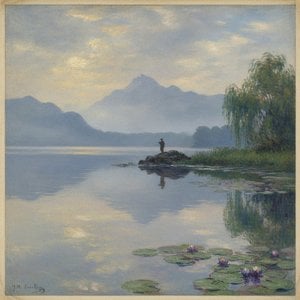
Journey through art history's most serene lake landscapes. From Romantic vistas to light-drenched Impressionist waters, discover the stories behind these iconic masterpieces and find museum-quality, hand-painted oil reproductions for your private collection.
 Переглянути в інтер'єрі
 Надіслати як листівку
 Поділитися
 Деталі витвору
 Посібник

 Завантажити
 Схожі екземпляри
 Рентгенівське дослідження
 Слайд-шоу
 Питання та відповіді
 Статистика
 Розгорнути текст









 Скляний варіант доступний лише для розмірів до 110 см