Мистецький твір, представлений на цій сторінці, захищений законом про авторське право, що унеможливлює легальне створення або продаж його ідентичної репродукції. Цей захист забезпечується відповідно до міжнародних угод, таких як Бернська конвенція та національним законодавством, зокрема положеннями, що викладені в Законодавство США про авторське право — Розділ 17. Всі права захищені. Будь-яке використання без дозволу заборонено.
Цей метод повністю відповідає нормам авторського права, оскільки він не передбачає копіювання чи дублювання захищеного твору мистецтва. Натомість це творче переосмислення — створення нового малюнка під впливом оригіналу, який не є його точним відтворенням.
Друк جيкле або на полотні музейної якості з оперативним виготовленням та різноманітними варіантами фінішної обробки. ( Замовити картину ручної роботи Перейти до цифрових зображень)





























Обирайте з наших стандартних розмірів, що відповідають оригінальним пропорціям твору мистецтва.

Введіть необхідну ширину та висоту, щоб принт ідеально підійшов до вашої рами або стіни. Принт можна лише обрізати, але не можна зробити більшим за оригінал, тому при зміні пропорцій частина зображення буде втрачена. Перед друком ми надсилаємо вам цифровий макет для затвердження. Зображення на цій сторінці не відображає реальну обрізку — її можна побачити лише на макеті.
Доставка по всьому світу () за 2 тижні замість стандартних 4/5 тижнів. (9 Листопад)
La belle captive
Розмір репродукції
René Magritte's La Belle Captive (1949) is not merely a depiction of a scene; it’s an invitation to question the very nature of observation and reality. This surrealist masterpiece, rendered with Magritte’s signature meticulous technique, presents a disquieting tableau – a man framed within a viewfinder, observing a tranquil landscape punctuated by a horse-drawn carriage and three indistinct figures. The painting immediately arrests the viewer's attention, drawing them into a world where appearances are deliberately deceptive, mirroring the anxieties of the post-war era and Magritte’s profound interest in challenging conventional perceptions.
Magritte's approach to painting was characterized by an almost obsessive attention to detail combined with a deliberate rejection of traditional representational techniques. La Belle Captive exemplifies this duality. The meticulous rendering of the horse-drawn carriage, the textures of the trees, and even the subtle reflections in the viewfinder demonstrate his technical prowess. However, it is precisely this realism that heightens the painting’s unsettling effect. He employed oil on canvas with a smooth, almost enamel-like finish, creating an illusion of depth and solidity that further emphasizes the artificiality of the scene. The use of muted colors – predominantly browns, greens, and blues – contributes to the overall atmosphere of quiet contemplation and subtle unease.
Painted in 1949, during a period of significant social and political upheaval following World War II, *La Belle Captive* resonates with the anxieties of its time. The viewfinder motif is particularly potent, representing the limitations of human perception and the constructed nature of reality. It echoes Magritte’s broader exploration of themes related to identity, memory, and the subconscious – ideas that were gaining traction within the Surrealist movement. The presence of the three indistinct figures adds another layer of mystery, perhaps symbolizing the unknowable aspects of human experience or the fragmented nature of collective memory. The painting can be interpreted as a commentary on the role of media in shaping our understanding of the world, and the potential for manipulation inherent in visual representation.
La Belle Captive possesses a profound emotional impact, prompting viewers to confront their own assumptions about what they see. It’s a painting that lingers in the mind long after initial observation, inviting repeated contemplation. Magritte's work continues to resonate with contemporary audiences due to its timeless exploration of fundamental questions about perception, reality, and the human condition. A hand-painted reproduction of this iconic artwork offers an unparalleled opportunity to experience the power and beauty of Magritte’s vision – a window into the unseen, forever challenging our understanding of the world around us.
Сторінка Перегляд в AR для твору «La belle captive» роботи Рене Маґрітт використовує технологію доповненої реальності, щоб показати витвір у вашому власному просторі за допомогою сумісного пристрою.
У творі "La belle captive" Statement контраст поєднується з Balanced Harmony гармонією.
Цифрове зображення твору «La belle captive» роботи Рене Маґрітт доступне для завантаження на сторінці Завантажити цифрове зображення: завантаження цифрового зображення високої роздільної здатності.


1898 - 1967 , Бельгія

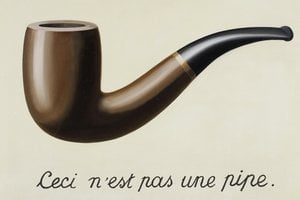
Delve into the profound mysteries of René Magritte’s Surrealism. Explore an expert analysis of 'The Treachery of Images,' decoding the philosophical paradoxes and visual subversions that redefined modern art history for collectors and connoisseurs alike.

Відкрийте для себе світ бездоганного декору з WahooArt.com. Наші преміальні постерні принти Giclée гарантують музейну якість та довговічність. Ексклюзивне мистецтво, що підкреслить статус вашого інтер'єру. Довіртеся професіоналам у створенні вашої особистої галереї.

Elevate your design projects with WahooArt's premium canvas prints and hand-painted reproductions. From Giclée excellence to bespoke oil commissions, we provide professional decorators with museum-quality, affordable art solutions delivered worldwide with a 100% satisfaction guarantee.
 Переглянути в інтер'єрі
 Надіслати як листівку
 Поділитися
 Деталі витвору
 Посібник

 Завантажити
 Схожі екземпляри
 Рентгенівське дослідження
 Слайд-шоу
 Питання та відповіді
 Статистика

 Розгорнути текст









 Скляний варіант доступний лише для розмірів до 110 см