Життєвий шлях: Від традицій до абстракції
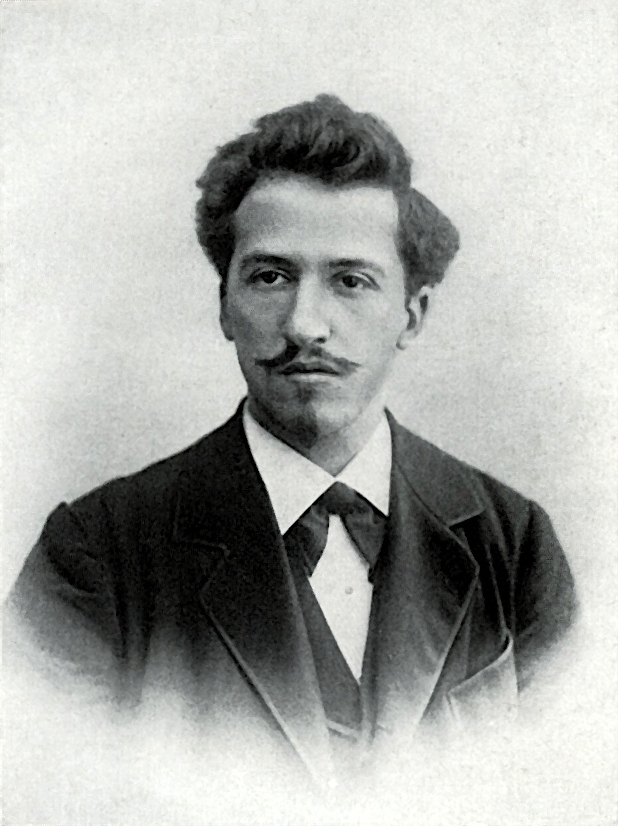
Пітер Мондріан, народжений Пітером Корнелісом Мондріааном у 1872 році в тихому голландському містечку Амстердам, не досяг миттєвого визнання. Його творчий шлях був поступовим розкриттям таланту. У ранньому дитинстві він виріс у традиційній атмосфері; його дядько, Фрітс Мондріан, вже був відомим художником, і цей родинний зв'язок спочатку спрямував його до пейзажного живопису. Ці перші роботи, що нагадують Гаазьку школу та голландський імпресіонізм – зокрема, полотно «Червоний млин» – демонструють молодого художника, старанно вивчаючого природу, опановуючи техніку, але водночас непомітно шукаючи щось за межами простого відтворення реальності. Навіть тоді прагнення до спрощення відчувалося в його мазках. Він не задовольнявся лише копіюванням світу; він хотів видобути його сутність. Цей ранній період характеризувався експериментами з пуантилізмом та фовізмом, кожен стиль пропонував інший погляд на колір і форму, але жоден не задовольнив його зростаюче творче бачення. Це був час досліджень, необхідний перед радикальним відходом, який визначив би його спадщину.
Паризьке пробудження та народження неопластицизму
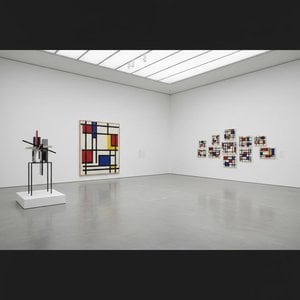
Поворотним моментом став переїзд Мондріана до Парижа у 1912 році. Місто пульсувало авангардною енергією, і він опинився зануреним у революційний світ кубізму. Ця зустріч виявилася трансформаційною. Він почав деконструювати форми, розбиваючи об'єкти на їхні геометричні компоненти, відходячи від зображення *того*, що він бачив, до дослідження *як* він це бачить. Але Мондріан не просто переймав новий стиль; він вирушив у духовний пошук. Глибоко вплинутий теософією – містичною філософією, яка підкреслює глибинні універсальні принципи – він вірив, що мистецтво може бути засобом вираження цих прихованих істин. Ця віра стимулювала його невпинне прагнення до абстракції, спонукаючи його звести колір і форму до їхніх найфундаментальніших елементів. Близько 1917 року ця подорож завершилася формулюванням неопластицизму, часто званого «чистим пластичним мистецтвом». Це був радикальний естетичний принцип, заснований на основних формах – прямих лініях, прямих кутах – та обмеженій палітрі: первинних кольорах (червоному, синьому, жовтому), чорному, білому та сірому. Для Мондріана це зведення не було про порожнечу; воно полягало у виявленні прихованої гармонії всесвіту, візуальному прояві духовного порядку. Він співзаснував рух «De Stijl» разом із Тео ван Дусбургом для пропаганди цих ідей, закріпивши неопластицизм як визначальну силу в сучасному мистецтві. Шедеври, такі як «Композиція з червоним, синім та жовтим» і «Табло № 2 Композиція № V», є свідченням цього періоду, культовими зображеннями його непохитної відданості геометричній чистоті.
Нью-Йоркські ритми: пізній розквіт
Спалах Другої світової війни змусив Мондріана покинути Європу в 1940 році, знайшовши притулок у гамірному мегаполісі Нью-Йорку. Це переміщення виявилося несподівано підбадьорливим. Сувора сітчаста структура міста – різкий контраст із більш органічними ландшафтами, які він знав раніше – резонувала з його художніми принципами. Його пізні роботи, зокрема «Бродвей Бугі-Вугі» (1943), відображають цей вплив. Зберігаючи основні засади неопластицизму, картина вводить динамічну енергію, яскравий ритм, натхненний пульсуючим життям міста та джазовою музикою. Прямі лінії все ще присутні, але тепер вони танцюють і перетинаються з більшою свободою, створюючи відчуття руху та радості. Здавалося, Мондріан знайшов нову мову в межах свого усталеного словника, спосіб виразити складність сучасного міського існування через простоту геометричної абстракції. Він продовжував удосконалювати свій стиль до своєї смерті у 1944 році, залишивши по собі творчий спадок, який продовжує захоплювати та надихати.
Неминущий вплив: значення Мондріана в історії мистецтва
Вплив П'єта Мондріана на світ мистецтва неможливо переоцінити. Він був не просто художником; він був візіонером, який фундаментально змінив наше розуміння абстракції та її потенціалу для вираження універсальних істин. Його робота глибоко вплинула на незліченних митців, рухи та дисципліни. Абстрактний експресіонізм, мінімалізм і живопис кольорового поля всі зобов'язані його новаторському духу. Але його вплив виходить далеко за межі полотна. Принципи неопластицизму – простота, ясність, геометричний порядок – проникли в архітектуру, дизайн та моду. Від меблів і текстилю до фасадів будівель і графічного дизайну естетика Мондріана продовжує формувати наш візуальний світ. Він залишається культовою фігурою в сучасному мистецтві, символом невпинних пошуків абстракції та незгасної сили художньої інновації. Як влучно зауважив історик дизайну Стівен Бейлі, Мондріан став «тотемом для всього, яким прагнув бути модернізм». Його спадщина – це не лише естетична краса, а й інтелектуальна суворість, духовна глибина та непохитна віра в перетворюючу силу мистецтва.
Впливи та ключові роботи
- Ранні впливи: Гаазька школа, голландський імпресіонізм, пуантилізм, фовізм заклали основу для його початкових творчих досліджень.
- Трансформаційний вплив: Кубізм у Парижі був вирішальним для його переходу до абстракції та геометричних форм.
- Філософська основа: Теософія глибоко вплинула на його віру в те, що мистецтво може виражати універсальні духовні принципи.
- Ключові роботи: «Червоний млин» (ранній натуралістичний період), «Композиція з червоним, синім та жовтим» (квінтесенція неопластицизму), «Табло № 2 Композиція № V» (демонструє зведення до основних форм), «Бродвей Бугі-Вугі» (пізній динамізм, натхненний Нью-Йорком).
- Неминущий вплив: Робота Мондріана продовжує надихати художників, архітекторів і дизайнерів, формуючи сучасну естетику в різних дисциплінах.
Естетичні принципи Мондріана поширювалися за межі живопису, впливаючи на архітектуру, дизайн та моду. Він залишається культовою фігурою в сучасному мистецтві, що представляє прагнення до абстракції та універсальної гармонії.



 Переглянути в інтер'єрі
 Купити картину ручної роботи
 Надіслати
 Поділитися
 Деталі
 Посібник

 Завантажити
 Схожі предмети колекціонування
 Рентгенівське дослідження
 Слайд-шоу
 Статистика переглядів

 Читати далі






































 Скляний варіант доступний лише для розмірів до 110 см