БЕЗКОШТОВНА КОНСУЛЬТАЦІЯ З МИСТЕЦТВА

x
Замовити друк Замовити друкЗамовити репродукцію Замовити репродукцію НадіслатиНадіслати
Деталі витворуДеталі витвору Додати до улюблених Додати до улюблених ЗавантажитиЗавантажити Схожі виробиСхожі вироби Рентгенівське дослідженняРентгенівське дослідження Слайд-шоуСлайд-шоу

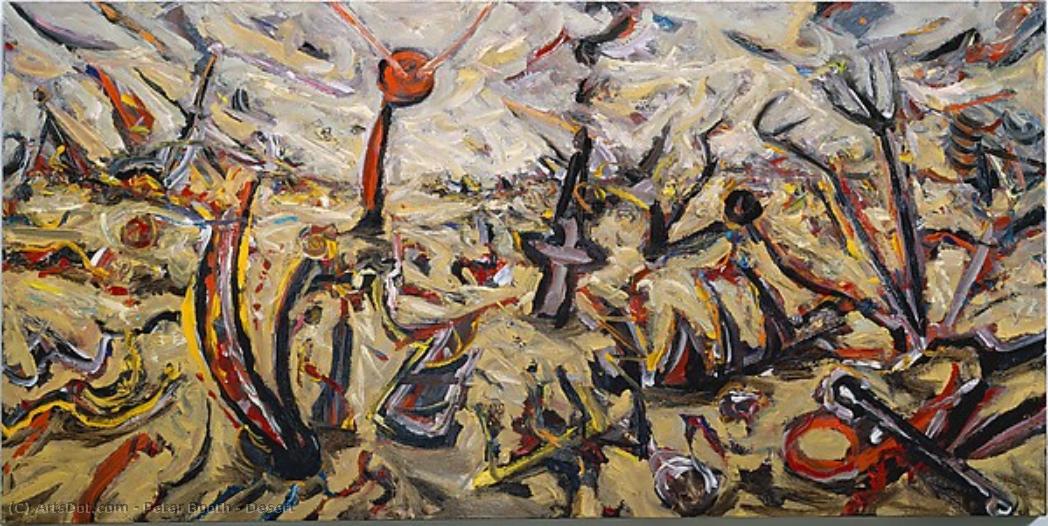
Desert

  • Дата створення1985
  • Розміри122.0 x 244.0 cm

Explore Peter Booth's haunting Australian surrealist paintings! Dark narratives, symbolism & landscapes reflect childhood memories & anxieties. A key late-20th artist.

Придбайте цифрову копію високої роздільної здатності з покращеною якістю, що значно перевершує онлайн-перегляд.

Кожен файл ретельно підготовлений нашими фахівцями за допомогою сучасних інструментів та професійної ручної ретуші. Ми гарантуємо виняткову чіткість, точну передачу кольору та високу деталізацію кожного зображення.

Фінальний файл надсилається електронною поштою протягом 72 годин і оптимізований для негайного використання у професійних виданнях та друкованих матеріалах. Таку якість обирають провідні дизайнерські студії, видавництва та галереї.

Цифрове зображення

Завантажте файл високої роздільної здатності для особистого перегляду, друку та творчих проєктів.

Підсумкова ціна

$9.99

Включено в кожне замовлення цифрових зображень

Експертна цифрова доставка, гарантовано

Обираючи WahooArt.com, ви отримуєте не просто зображення — ви отримуєте професійно вдосконалений цифровий витвір мистецтва, створений з надзвичайною точністю та підкріплений гарантією задоволення. Ось усе, що автоматично додається до вашого замовлення:

shipping_icon
Швидка доставка на email

Ваш цифровий файл із зображенням високої роздільної здатності буде надісланий вам електронною поштою протягом 72 годин після оформлення замовлення — він буде готовий до негайного використання.

canvas_icon
Цифровий файл із покращенням ШІ

Ваш витвір мистецтва професійно оптимізовано за допомогою передових інструментів штучного інтелекту та ручної корекції, що забезпечує максимальну деталізацію, чіткість і точність передачі кольорів.

insurance_icon
Безкоштовне повторне надання послуг протягом усього життя

Випадково видалили або втратили файл? Не хвилюйтеся — ми надішлемо його вам повторно в будь-який час безкоштовно.

tax_icon
Без митних зборів — завжди

Насолоджуйтесь вашим витвором мистецтва миттєво без жодних мит, зборів або плати за доставку — цифрові завантаження завжди не оподатковуються.

color_icon
Гарантія точності кольорів

Ми гарантуємо, що ваше цифрове зображення максимально точно відтворює оригінальні кольори завдяки використанню професійних інструментів та систем управління кольором.

return_icon
Гарантія задоволення протягом 60 днів

Якщо ви не задоволені придбаним цифровим зображенням, ми відкоригуємо його або повернемо 100% вартості протягом 60 днів — без жодних запитань.

guarantee_icon
Гарантія повернення 100% коштів

Не задоволені покупкою? Отримайте повне повернення коштів протягом 60 днів після отримання цифрового файлу — без жодних запитань.

discount_icon
Знижки на оптові замовлення

Купуйте 3 зображення — заощаджуйте 10% — Купуйте 5 — заощаджуйте 15% — Купуйте 10+ — заощаджуйте 20%. Чудово підходить для творчих проєктів, галерей та агентств.

Опис колекційного об'єкта

Peter Booth was born in Sheffield, England, in 1940. The son of a steelworker, he was familiar with the industrial landscape of northern England at an early age. He attended the Sheffield College of Art before his family emigrated to Australia in 1958. There, Booth worked as a laborer for several years and then entered the National Gallery School in Melbourne.In the early 1970s, Booth painted hard-edged abstractions of dark rectangles, primarily in black to signify social alienation. By 1977, however, he had begun working in figurative and landscape imagery as well as abstraction, and he continues to explore both directions to this day. In some works, Booth"s landscapes are peopled by strange mutant-like humanoid figures, which interact in violence or walk alone in isolation. In other works, such as Desert, the landscapes are more abstract, filled with recurring forms that resemble elements in some personal code.Booth"s interest in the individual"s potential both to dream and to destroy has been influenced by several earlier movements in art. One is the nineteenth-century European tradition of visionary Romanticism, as exemplified by the work of Francisco Goya and William Blake. Another is Abstract Expressionism, with its gestural handling and its release of forms from the artist"s subconscious.Booth"s subject matter, however, is unique to his own experience. In Desert, as in many of his landscapes, he looks to the prehistoric terrain of the Australian outback. Here he has interpreted its landscape as an uninhabitable territory marked with dead trees, thorn bushes, rocks, and animal skeletons. A lone cross-shaped form rises from the ground near the center of the composition. The environment of Desert appears apocalyptic, as though we are viewing it in the aftermath of some terrible natural or man-made disaster. As in much of his work, Booth has conjured up a mysterious world between the observed and the imagined.

Біографія митця

Peter Booth: A Landscape of Dreams and Anxiety

Peter Booth (born November 2, 1940) is an Australian figurative and surrealist painter, considered one of the key late-20th-century Australian artists. His oeuvre is characterized by a profound emotional resonance—often dark narratives interwoven with esoteric symbolism—reflecting formative experiences rooted in Sheffield’s industrial heritage and its scarred history during World War II. From his early years amidst blackened factories and bombed buildings, Booth developed an artistic vision deeply attuned to the anxieties of modernity and the subconscious realm of dreams.

Early Life and Influences

Born in Houghton-le-Spring, Northumberland, England, Peter Booth’s childhood was profoundly shaped by the industrial landscape surrounding Sheffield—a city scarred by wartime bombing raids. This environment instilled within him a sensitivity to decay, disruption, and the lingering impact of trauma, themes that would permeate his artistic explorations throughout his career. His family emigrated to Australia in 1958, where he initially worked as a laborer before pursuing formal artistic training at the National Gallery School in Melbourne. It was here that he honed his skills and began to establish himself as an abstract painter, laying the groundwork for his subsequent shift towards figurative art.

Abstract Beginnings and Surrealist Exploration

Booth’s initial foray into abstraction—characterized by hard-edged rectangles primarily rendered in black—expressed a preoccupation with social alienation during the early 1970s. However, he swiftly moved beyond purely geometric forms, embracing figurative imagery alongside abstraction. This dual approach reflects influences from Romantic painters like Francisco Goya and William Blake, whose visionary art explored themes of psychological intensity and spiritual contemplation. Furthermore, Booth’s engagement with Abstract Expressionism—particularly the gestural handling championed by artists such as Jackson Pollock—provided him with techniques for conveying emotion and releasing imagery from the artist's subconscious.

The Emergence of Figurative Horror

By the late 1970s, Booth turned decisively towards figurative painting, focusing on depictions of disturbing dreams and nightmares. These works are marked by a palpable sense of unease and dread—a visceral reaction to imagined horrors that resonate with primal feelings buried beneath conscious awareness. As he himself describes, “such dreams do not come out of nowhere, but reflect on primal feeling buried in consciousness.” Recurring motifs include grotesque metamorphosing figures and desolate landscapes reminiscent of prehistoric terrains—particularly the Australian outback—where Booth seeks to capture the essence of an uninhabitable environment marked by decay and ruin.

Landscapes Charged with Symbolism

Booth’s landscapes are not merely representations of physical space; they are imbued with symbolic meaning, reflecting memories of his childhood in Sheffield and channeling the anxieties associated with industrial decline. His paintings often depict apocalyptic visions—images of destruction mirroring the devastation experienced during World War II—rendered in menacing forms with agitated brushstrokes that convey a sense of urgency and terror. Consider *Painting 1978*, which exemplifies this stylistic approach: “The dramatic black and red, yellow and white composition suggests both an industrial and a natural wasteland.” The heavy impasto paint texture underscores the artist’s intention to communicate intense emotion and psychological turmoil.

Notable Achievements and Legacy

Peter Booth's distinctive artistic vision—characterized by its exploration of dreamscapes, landscapes imbued with symbolic meaning, and unsettling figurative imagery—has cemented his place as one of Australia’s most important artists of the late 20th century. His retrospective exhibition at the Ian Potter Centre: National Gallery of Victoria in 2003 garnered critical acclaim and solidified his reputation as a master of surrealist expression. Continuing to push boundaries and engage with profound themes—the relationship between humanity and environment, the capacity for creation and destruction—Booth’s work remains powerfully evocative and intellectually stimulating, inviting viewers to confront anxieties about the human condition and contemplate the enduring influence of memory and subconscious experience.
Peter Booth

Peter Booth

1940 - , United Kingdom

Короткі факти

  • Artistic Movement Or Style: Figurative Surrealism
  • Artists Or Movements Influenced By This Artist: ['Abstract Expressionism']
  • Artists Who Influenced This Artist:
    • William Blake
    • Francisco Goya
    • James Ensor
  • Date Of Birth: November 2, 1940
  • Full Name: Peter Booth
  • Nationality: Australian
  • Notable Artworks:
    • Desert
    • Painting 1978
  • Place Of Birth: Sheffield, England