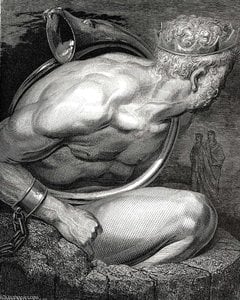
A Life Etched in Shadow and Light: The World of Gustave Doré
Paul Gustave Louis Christophe Doré, відомий у світі як Gustave Doré, був постаттю, що перетинала межі ілюстрації, живопису та скульптури з дивовижною майстерністю. Народився в Страсбурзі, Франція, 6 січня 1832 року, його життя розгорталося під час періоду значних соціальних та мистецьких змін – епохи, коли романтизм ще тримав своє місце, але поступався місцем новим течіям реалізму та символізму. Навіть у дитинстві Doré демонстрував вражаючі таланти – не лише в малюванні – що він почав надзвичайно рано – а й у характері, який натякав на драматичну експресію, яка мала визначити його творчість. Існують історії про ранні пустощі, які свідчили про зрілість, що виходила за межі його віку, попереджуючи складні та часто меланхолійні теми, які пронизували його мистецтво. Він розпочав свою професійну кар’єру надзвичайно рано – у 15 років – як карикатуриста для французького журналу *Le Journal pour rire*, відточуючи свої навички спостережливості та композиції в бурхливому світі паризької сатири.
Від Карикатури до Літературних Титанів: Підйом Ілюстратора
Ранні замовлення Doré заклали основу для його майбутньої слави. Роботи, такі як *Les Travaux d'Hercule* (1847), *Trois artistes incompris et mécontents* (1851) та *Les Dés-agréments d'un voyage d'agrément* (1851), демонстрували зростаючий талант до динамічної композиції та майстерне використання світла та тіні, навіть у цих відносно скромних починаннях. Він був глибоко натхненний ілюстраціями J.J. Grandville, чия фантастична образність та сатиричний тон резонували з розвиваючимся стилем Doré. Однак саме співпраця з літературними титанами підняла Doré до провідних позицій. У 1853 році він отримав замовлення на ілюстрацію творів лорда Байрона, що відкрило двері до подальших престижних проектів. Величезним завданням стало ілюстрування Біблії – проєкт, який зміцнив його репутацію та приніс його мистецтво перед широкою міжнародною аудиторією. Його ілюстрації для *Дон Кіхота* Сервантеса 1860-х років були особливо вражаючими, глибоко впливаючи на подальші інтерпретації персонажів та сюжету. Він не просто ілюстрував ці історії; він переосмислював їх, втілюючи в них драматичну інтенсивність, яка захоплювала уяву читачів у всьому світі. Особливо вражає його робота над *“Вовком”* Едгара Аллана По (1883), завершеною Harper & Brothers, принесла йому вражаючі 30 000 франків, демонструючи комерційний успіх поряд із мистецькою визнаністю. Його співпраця з Бланшором Дере на *“Лондоні: Паломництво”* (1872) була особливо проникливою та суперечливою роботою, яка зображала жорсткі реалії вікторіанського Лондона бідності та викликала дебати щодо соціальних умов.
Майстерність Техніки: Дерев’яна гравюра та Романтична Візія
Мистецьке майбутнє Doré полягало не лише в його творчій уяві, а й у технічній майстерності, особливо у деревинній гравюрі. Він мав надзвичайну здатність створювати надзвичайно детальні та драматичні зображення за допомогою цього засобу, навичка, яка дозволяла масово виробляти та поширювати його мистецтво. Його композиції характеризуються динамізмом, сильним контрастом між світлом і тінню – технікою, відомою як чіароскуро – та відчуттям величі, яке часто викликає враження захоплення або навіть жаху. Він часто використовував велику команду гравців-літописців для перетворення своїх дизайнів на деревинні гравюри, що дозволяло забезпечити необхідну ефективність виробництва для задоволення вимог видавництв та читачів. Його стиль міцно вкорінений у романтичній традиції, підкреслюючи емоцію, уяву та велич – захоплення силою природи та людського стану. Він не просто фіксував сцени; він інтерпретував їх через призму підвищеної емоційності та драматичної експресії. Цей підхід, хоча й цінується багатьма, також викликав критику з боку деяких сучасників, які вважали його стиль надмірно театральним або безглуздим.
Наследування та Тривале Впливнення
Gustave Doré отримав почесний титул Chevalier de la Légion d'honneur від французького уряду в 1861 році, що стало свідчення зростаючої визначеності його серед мистецьких кіл. Однак його справжня спадщина виходить далеко за межі нагород та досягнень. Його ілюстрації мали глибокий вплив на візуальну культуру, впливаючи на художників та читачів протягом поколінь. Він був натхненний роботами Ван Гога, особливо його зображеннями страждання та бідності, визнаючи в них спільну чутливість до людського горя. Незважаючи на те, що він стикався з критикою під час свого життя – деякі вважали його стиль надмірно драматичним або не витонченим – його мистецтво сьогодні цінується за його художню цінність та історичну важливість. Його ілюстрації продовжують формувати наше розуміння класичної літератури та вікторіанського суспільства, пропонуючи потужний візуальний інтерпретатор безсмертних історій та постійних тем. Він помер 23 січня 1883 року, залишивши величезну кількість творів, які продовжують захоплювати та надихати. *Його мистецтво є свідченням сили ілюстрації не лише зображувати, а й інтерпретувати та перетворювати світ навколо нас.*
Ключові роботи
- “Цільники Лондона” (1875): Похмуре зображення вікторіанської бідності та стійкості, яке демонструє сімейні зв’язки серед важких умов.
- “Християнські мученики”: Дивовижна шедевр, що зображує віру та переслідування з великою емоційністю.
- Ілюстрації до Біблії Данте: Можливо, його найвідоміша робота, ці гравюри принесли жахливі бачення пекла Данте на життя з неперевершеною інтенсивністю.
- Ілюстрації до “Гайдака” Мільтона: Інтерпретація цього епічного вірша Doré відома своєю величчю та драматичною експресією.
- “Блукаючий євангелист” (1856): Популярна робота, хоча вона містить антисемітські упередження, що відображають час, в якому він жив.



 Переглянути в інтер'єрі
 Перейти до друку
 Надіслати
 Поділитися
 Деталі
 Посібник

 Завантажити
 Схожі предмети колекціонування
 Рентгенівське дослідження
 Слайд-шоу
 Статистика переглядів
 Читати далі






































 Скляний варіант доступний лише для розмірів до 110 см