Переглянути в інтер'єрі Примірка в AR Перейти до друку Перейти до цифрових зображень Надіслати
Деталі Посібник Додати до улюблених Завантажити Схожі предмети колекціонування Рентгенівське дослідження Слайд-шоу Статистика переглядів

Madonna

Initially Mannerist, evolving to incorporate elements of Caravaggio's naturalism. Characterized by bright colors, dramatic compositions, a lighter palette, precise detail, and an elegant, courtly style in later works.

Ораціо Джентилескі – італійський художник доби Бароко, ключовий представник стилю караваджизму. Відомий яскравими композиціями та впливом на розвиток живопису в Італії та Англії. Його дочка, Артемізія Джентилескі, також була видатним художником.

Олійная репродукція ручної роботи

Написана вручну олією на полотні у вашому розмірі та рамі, виготовлена на замовлення нашими художниками. ( Перейти до друку Перейти до цифрових зображень)

P118B $10
P118H $10
P118W $10
P438Z $10
P508JH $12
P508YH $12
P805H $10
P805Z $10
P919BZ $10
P919G $10
P919XJ $10
P959ZH $10
P968JZ $12
W106C $8
W218G $10
W218JH $8
W218Y $10
W307PJ $10
W316G $10
W316PJ $8
W316Y $10
W398PJ $8
W4111J $10
W500HY $15
W500JH $15
W692G $12
W849H $8
W940BG $15
W953PJ $8

Стандартний розмір
на замовлення
CM
INCH

Обирайте з наших стандартних розмірів, що відповідають оригінальним пропорціям твору мистецтва.

ширина
висота

Ви можете вказати власні розміри, щоб репродукція ідеально підійшла до конкретної рами або інтер'єру. Якщо вибраний вами розмір не відповідає пропорціям оригіналу, ми або обріжемо полотно, або доповнимо картину додатковими елементами, промальованими вручну. Цифровий макет буде надіслано вам на затвердження перед початком виробництва.
Зверніть увагу, що попередній перегляд на екрані не відображає фактичне обрізання або розширення зображення. Тільки макет точно покаже остаточну композицію.
Хоча ми можемо виготовити виріб у нестандартному розмірі, для збереження оригінальних пропорцій рекомендуємо обирати варіанти зі встановленого списку.

Приклади можливих змін: замінити обличчя на фото клієнта; додати домашню тварину (наприклад, замінити кота на собаку); додати приховане повідомлення на фоні; змінити ландшафт або елементи фону.
Після оформлення замовлення команда WahooArt.com зв'яжеться з клієнтом електронною поштою для отримання інструкцій та надасть попередній макет

Доставка по всьому світу () за 3–4 тижні замість стандартних 5 тижнів. (25 Вересень). Без жодних компромісів у якості.

why_choose_icon
Безкоштовна експрес-доставка по всьому світу
why_choose_icon
Високоякісне лляне полотно
why_choose_icon
Повне страхове покриття доставки
why_choose_icon
Гарантія повернення митних зборів
why_choose_icon
Гарантія точного відтворення кольорів
why_choose_icon
Політика повернення протягом 100 днів (лише у разі виявлення дефектів)
why_choose_icon
Гарантія повернення 100% коштів
why_choose_icon
Знижка на оптові замовлення

Загальна вартість

$ 272

reproduction

Madonna

Техніка репродукції

Розмір репродукції

-

Загальна вартість

$ 272

Короткі факти

  • Artistic style: Elegant Mannerism
  • Medium: Oil on Panel
  • Title: Madonna
  • Artist: Orazio Gentileschi
  • Notable elements or techniques: Dramatic lighting; Naturalistic modeling
  • Influences: Caravaggio
  • Location: Private Collection

A Divine Encounter in Shadow and Light

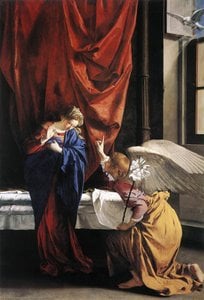
In the quietude of Orazio Gentileschi’s Madonna, we find ourselves standing at the threshold of a transformative era in art history. This masterpiece, painted around 1604, serves as a breathtaking bridge between the elegant, often artificial complexities of Mannerism and the raw, visceral drama of the Baroque. The composition centers on the Virgin Mary, whose presence is both profoundly human and ethereally divine. Clad in a somber brown robe trimmed with delicate white, her face radiates a serene, contemplative grace. As she gazes downward, her eyes hold a depth of maternal tenderness that transcends the canvas, inviting the viewer into a moment of silent prayer. Beside her, the Christ Child, swathed in a vibrant yellow garment, looks outward toward us, creating an immediate and piercing emotional connection that bridges the gap between the sacred subject and the earthly observer.

The technical brilliance of this work lies in Gentileschi’s masterful command of chiaroscuro, a technique heavily influenced by his contemporary, Caravaggio. By plunging the background into a deep, impenetrable darkness, the artist forces our focus onto the luminous skin and rich textures of the central figures. This stark contrast does more than create depth; it sculptively carves the Madonna from the shadows, lending her a physical weight and presence that feels startlingly real. The light does not merely illuminate; it caresses the folds of the fabric and the soft contours of the infant's cheek, imbuing the scene with a sense of living breath. For the discerning collector or interior designer, this interplay of light and shadow offers a sophisticated focal point that can anchor a room with both gravity and elegance.

Symbolism and the Soul of the Baroque

Beyond its visual splendor, the Madonna is rich with the symbolic language of the early 17th century. The choice of colors—the earthy browns of the Virgin’s attire contrasted against the celestial yellow of the Child—speaks to the intersection of the terrestrial and the divine. The Madonna represents the stability of faith and the nurturing strength of the Church, while the radiant child symbolizes the light of hope entering a dark world. Every brushstroke is an exercise in humanist sensibility, where the divine is not depicted as a distant, untouchable entity, but as something intimately connected to the human experience through emotion, touch, and gaze.

To possess a reproduction of this work is to bring a piece of the Italian Renaissance's twilight and the Baroque's dawn into one's personal space. It is an invitation to contemplate the eternal themes of motherhood, devotion, and the beauty found in stillness. Whether placed in a curated gallery setting or as a soulful addition to a classically styled study, this painting offers more than mere decoration; it provides a window into a period of unparalleled artistic courage, where masters like Gentileschi dared to find the extraordinary within the shadows of the ordinary.


Біографія митця

A Tuscan Dawn: The Life and Art of Orazio Gentileschi

Born in 1563 amidst the rolling hills of Tuscany, Orazio Gentileschi embarked on a journey that would see him become a pivotal figure in the transition from Mannerism to Baroque painting. Initially known as Orazio Lomi, he gravitated towards Rome, then the epicenter of artistic innovation, where he honed his skills within the workshops of Cola dell’Amata and absorbed the architectural sensibilities of Francesco da Sangallo. These early influences instilled in him a meticulous attention to form and composition, characteristics that would remain hallmarks of his style even as it dramatically evolved. Gentileschi’s initial work often involved contributing figures to larger decorative schemes conceived by other artists – a formative experience that taught him collaboration and adaptability, yet also hinted at a burgeoning ambition for independent expression. His early career was marked by service to wealthy patrons, creating intricate allegorical scenes and portraits, demonstrating his growing technical proficiency and understanding of classical ideals.

Embracing the Shadow: Caravaggio's Influence and Artistic Development

The turn of the 17th century marked a turning point in Gentileschi’s artistic trajectory. The revolutionary naturalism of Caravaggio burst onto the Roman art scene, challenging established conventions with its dramatic use of light and shadow – *tenebrism* – and unflinching realism. Gentileschi was profoundly affected by this seismic shift, adopting elements of Caravaggio's style into his own work. However, he wasn’t merely an imitator; rather, he filtered Caravaggio’s innovations through his existing artistic sensibilities. While retaining the dramatic intensity, Gentileschi softened the harshness of Caravaggio’s *tenebrism*, introducing a lighter palette and a more refined approach to detail. This resulted in paintings that possessed both emotional power and elegant grace – a unique synthesis that distinguished him from his contemporaries. Biblical scenes and mythological narratives became frequent subjects, allowing Gentileschi to explore themes of faith, heroism, and human vulnerability with compelling visual storytelling. He skillfully blended Caravaggio’s intense realism with a more lyrical sensibility, creating works that were simultaneously powerful and refined. His use of dramatic gestures and dynamic compositions became increasingly prominent, reflecting his growing mastery of the Baroque style.

A Courtly Wanderer: From Paris to London

Gentileschi’s artistic reputation extended beyond Italy's borders. His talent attracted the patronage of powerful figures, leading him on a peripatetic journey through Europe. He spent time at the court of Marie de' Medici in Paris, where his refined style resonated with the Queen’s taste for elegance and sophistication. This period saw a further evolution in his work, characterized by increasingly elaborate compositions and a heightened sense of decorum. He also worked in Genoa, undertaking significant commissions for wealthy families and religious institutions. However, it was his invitation to England in 1626 that would define the final chapter of his career. Appointed court painter to Charles I, Gentileschi became one of the first major exponents of Caravaggism in Britain, significantly influencing the development of English Baroque painting. He undertook ambitious projects, including a series of ceiling paintings for Greenwich Palace (now Marlborough House), showcasing his mastery of large-scale decorative schemes and solidifying his position as a leading artist of his time. His work in England demonstrated a willingness to adapt his style to suit the tastes of his new patrons while retaining his distinctive artistic voice.

The Legacy of a Master: Artemisia's Influence

Perhaps most significantly, Orazio Gentileschi’s legacy is inextricably linked to that of his daughter, Artemisia Gentileschi. Trained in her father’s studio, she absorbed his techniques and artistic sensibilities, ultimately surpassing him in fame and influence. While Orazio focused on narrative scenes and portraits, Artemisia developed a unique style characterized by raw emotion, dramatic intensity, and unflinching realism – often depicting female subjects with remarkable psychological depth. Artemisia's success challenged the conventions of the art world and paved the way for future generations of female artists. The influence of her father’s training is undeniable in her early works, but she quickly forged her own distinctive path, becoming one of the most celebrated Baroque painters of all time.

Key Works and Lasting Impact

Orazio Gentileschi's oeuvre encompasses a diverse range of subjects and styles, reflecting his versatility and artistic evolution. His paintings – including “Danae,” "The Annunciation," and “The Virgin Mary” – are characterized by their dramatic compositions, vibrant colors, and meticulous attention to detail. He was instrumental in introducing Caravaggism to England, leaving an indelible mark on the artistic landscape there. But perhaps his most enduring legacy lies not just in his individual achievements but also in his role as a mentor and father to Artemisia Gentileschi. Today, Gentileschi’s works are held in prestigious museums and galleries worldwide – from the Uffizi Gallery in Florence to the Accademia Gallery in Venice – testaments to his enduring brilliance and lasting impact on the history of art. His paintings continue to captivate viewers with their emotional depth, technical virtuosity, and timeless beauty.
  • Major Works: “Danae”, "The Annunciation", "The Virgin Mary"
  • Key Influences: Mannerism, Caravaggio
  • Artistic Style: Baroque, Dramatic compositions, Bright colors.
Оrazio Ґентілескі

Оrazio Ґентілескі

1563 - 1639 , Італія

Довідкова інформація

  • Artistic Movement Or Style: Бароко, Караваджізм
  • Artists Or Movements Influenced By This Artist:
    • Артемізія Ґентілескі
    • Бароко
  • Artists Who Influenced This Artist:
    • Франческо да Санґало
    • Кола д’Амата
  • Date Of Birth: 1563
  • Date Of Death: 1639
  • Full Name: Orazio Gentileschi
  • Nationality: Італійський
  • Notable Artworks:
    • Данає
    • Святочення
    • Пресвітла Діва
  • Place Of Birth: Тусканія, Італія
Досліджуйте твори мистецтва, впорядковані за темами, стилями та характеристиками.