Переглянути в інтер'єріПереглянути в інтер'єрі Перегляд в ARПерегляд в AR Перейти до друку Перейти до друкуЗамовити репродукцію ручної роботи Замовити репродукцію ручної роботи Надіслати як листівкуНадіслати як листівку
ДетальнішеДетальніше Додати до улюблених Додати до улюблених ЗавантажитиЗавантажити Схожі експонатиСхожі експонати Рентгенівське дослідженняРентгенівське дослідження Слайд-шоуСлайд-шоу СтатистикаСтатистика

Apostle Thomas

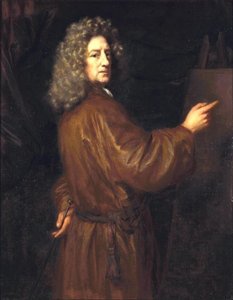
Nicolaes Maes’s "Apostle Thomas" is a captivating Baroque painting showcasing the apostle in a moment of quiet contemplation with dramatic chiaroscuro lighting and rich detail, reflecting Rembrandt's influence. Discover this stunning 1656 masterpiece and bring art history home.

Николаас Маас (1634–1693) – нідерландський художник епохи Золотого віку, відомий своїми жанровими картинами та портретами під впливом Рембрандта. Дослідіть його творчість та стиль!

Придбайте цифрову копію високої роздільної здатності з покращеною якістю, що значно перевершує онлайн-перегляд.

Кожен файл ретельно підготовлений нашими фахівцями за допомогою сучасних інструментів та професійної ручної ретуші. Ми гарантуємо виняткову чіткість, точну передачу кольору та високу деталізацію кожного зображення.

Фінальний файл надсилається електронною поштою протягом 72 годин і оптимізований для негайного використання у професійних виданнях та друкованих матеріалах. Таку якість обирають провідні дизайнерські студії, видавництва та галереї.

Цифрове зображення

Завантажте файл високої роздільної здатності для особистого використання, друку та творчих проєктів. (Перейти до друку Перейти до друкуЗамовити репродукцію ручної роботи Замовити репродукцію ручної роботи)

Підсумкова вартість

$ 24,90

Переваги кожного замовлення цифрових зображень

Експертна цифрова доставка з гарантією якості

Обираючи WahooArt.com, ви отримуєте не просто зображення — ви отримуєте професійно вдосконалений цифровий витвір мистецтва, створений з надзвичайною точністю та підкріплений гарантією задоволення. Ось усе, що автоматично додається до вашого замовлення:

shipping_icon
Швидка доставка на email

Ваш цифровий файл із зображенням високої роздільної здатності буде надісланий вам електронною поштою протягом 72 годин після оформлення замовлення — він буде готовий до негайного використання.

canvas_icon
Цифровий файл із покращенням ШІ

Ваш витвір мистецтва професійно оптимізовано за допомогою передових інструментів штучного інтелекту та ручної корекції, що забезпечує максимальну деталізацію, чіткість і точність передачі кольорів.

insurance_icon
Безкоштовне повторне завантаження назавжди

Випадково видалили або втратили файл? Не хвилюйтеся — ми надішлемо його вам повторно в будь-який час безкоштовно.

tax_icon
Без митних зборів — ніколи

Насолоджуйтесь вашим витвором мистецтва миттєво без жодних мит, зборів або плати за доставку — цифрові завантаження завжди не оподатковуються.

color_icon
Гарантія точності кольорів

Ми гарантуємо максимально точне відтворення оригінальних кольорів на вашому цифровому зображенні завдяки використанню професійних інструментів та систем управління кольором.

return_icon
100-денна гарантія задоволення

Якщо ви не задоволені придбаним цифровим зображенням, ми внесемо правки або повернемо 100% вартості протягом 100 днів — без зайвих запитань.

guarantee_icon
Гарантія повернення 100% коштів

Незадоволені покупкою? Отримайте повне повернення коштів протягом 100 днів після отримання цифрового файлу — без зайвих запитань.

discount_icon
Знижки на оптові замовлення

Купуйте 3 зображення — заощаджуйте 10% — Купуйте 5 — заощаджуйте 15% — Купуйте 10+ — заощаджуйте 20%. Чудово підходить для творчих проєктів, галерей та агентств.

Основна інформація

  • Movement: Baroque
  • Influences: Rembrandt van Rijn
  • Medium: Oil on panel
  • Artist: Nicolaes Maes
  • Subject or theme: Religious portrait
  • Artistic style: Dutch Golden Age
  • Title: Apostle Thomas

A Study in Contemplation: Nicolaes Maes’s Apostle Thomas

  • The Weight of Faith: Nicolaes Maes’s “Apostle Thomas” is more than a mere portrait; it's a carefully constructed meditation on faith, knowledge, and the quiet moments of introspection. Executed in 1656 during his formative years, this Baroque masterpiece reveals the burgeoning talent of a young artist deeply influenced by the master himself, Rembrandt van Rijn. The painting’s power resides not just in its subject – the Apostle Thomas, traditionally depicted as the doubter who demanded to feel Jesus' wounds – but in Maes’s ability to translate that theological tension into a palpable visual experience.
  • Baroque Drama and Dutch Light: Born in Dordrecht in 1634, Nicolaes Maes inherited the hallmarks of the Dutch Golden Age: a profound understanding of light and shadow – *chiaroscuro* – and an unwavering commitment to realism. This particular work exemplifies this approach brilliantly. The dark, almost impenetrable background serves as a dramatic stage for Thomas’s figure, intensifying the impact of the carefully rendered details. Maes skillfully manipulates light to illuminate Thomas' face and hands, drawing the viewer’s eye to his contemplative expression and the objects he holds – a book and quill pen – symbols of learning and devotion.

Technical Mastery: A Rembrandt-Inspired Approach

  • Detailed Rendering and Texture: Maes's meticulous attention to detail is immediately apparent. The fur lining of Thomas’s robe isn’t simply painted; it’s sculpted with a remarkable understanding of texture, conveying warmth and luxury. Similarly, the folds of the fabric, the quill pen, and the book itself are rendered with painstaking accuracy, demonstrating Maes's dedication to capturing the nuances of form and material. This level of detail was characteristic of artists working under Rembrandt’s influence, who prioritized a realistic portrayal over idealized beauty.
  • Color Palette and Composition: The color palette is rich and warm, dominated by browns, reds, and golds – colors associated with wealth, piety, and the divine. The composition itself is carefully balanced, with Thomas positioned centrally within the frame, creating a sense of stability and authority. The use of negative space further enhances the painting’s impact, allowing the viewer's eye to rest and contemplate the scene.

Historical Context: Faith and Portraiture in the Dutch Golden Age

  • The Rise of Religious Portraiture: The mid-17th century was a period of significant religious upheaval in Europe, and this is reflected in the subject matter of many Dutch portraits. Portraits were not merely representations of individuals; they were often statements of faith and social status. Thomas, as one of the apostles who doubted Jesus, offered an opportunity to explore themes of doubt, repentance, and ultimately, redemption – a potent message for a society grappling with religious questions.
  • Rembrandt’s Influence: Maes's apprenticeship under Rembrandt was crucial to his development. The influence of Rembrandt’s dramatic use of light and shadow, his psychological insight into his subjects, and his masterful handling of color are all evident in “Apostle Thomas.” This painting stands as a testament to the enduring legacy of one of history’s greatest artists.

Provenance and Significance

  • A Staatliche Museen Masterpiece: Currently housed at the Staatliche Museen in Kassel, Germany, “Apostle Thomas” represents a significant addition to the collection of Baroque masterpieces. Its presence within a public institution underscores its artistic merit and accessibility to art lovers worldwide.
  • Collecting the Spirit of the Golden Age: This reproduction offers an unparalleled opportunity to own a piece of Dutch history, capturing not only the visual beauty of Maes’s work but also the intellectual and spiritual context in which it was created. It's a window into a pivotal era of artistic innovation and religious exploration – a timeless testament to the power of human contemplation.

Біографія митця

Nicolaes Maes (1634 - 1693): A Life Immersed in Dutch Light and Shadow

Nicolaes Maes, a name resonating softly within the pantheon of Dutch Golden Age masters, was born in Dordrecht in January 1634 into a world brimming with mercantile prosperity and artistic ferment. His father, Gerrit Maes, a successful cloth merchant and soap boiler, provided a comfortable upbringing, allowing young Nicolaes to pursue his burgeoning talent for painting. While early instruction came from a local artist of modest renown, the pivotal moment in Maes’s development arrived when he journeyed to Amsterdam around 1648 and entered the workshop of Rembrandt van Rijn. This apprenticeship proved transformative, imbuing him with an enduring appreciation for the dramatic interplay of light and shadow – *chiaroscuro* – and a masterful command of color that would define his early works. The influence was so profound that initial paintings, such as depictions of biblical scenes rendered with life-size figures and rich, glowing hues, were often mistakenly attributed to Rembrandt himself. These formative years laid the groundwork for a career marked by both technical brilliance and an intimate understanding of human emotion.

Early Years and Rembrandt’s Influence

Nicolaes Maes's artistic journey began under the tutelage of Samuel van Hoogstraten, a former pupil of Rembrandt who resided in Dordrecht between 1648 and 1651. Although Van Hoogstraten’s instruction was modest, it instilled in Maes a foundational understanding of drawing techniques—a skill that would prove invaluable throughout his subsequent career. More significantly, however, was Maes's immersion in Rembrandt’s studio in Amsterdam. During this period, he absorbed the master’s revolutionary approach to painting – specifically, his masterful manipulation of *chiaroscuro*, the dramatic contrast between light and dark—which fundamentally shaped Maes’s artistic vision. This influence extended beyond mere technique; Rembrandt instilled in Maes a profound sensitivity to capturing the emotional essence of his subjects, fostering an ability to convey psychological depth through subtle gestures and expressions. As a result, early paintings bearing Maes's signature often evoked comparisons with Rembrandt’s oeuvre, highlighting the indelible mark left by this formative relationship.

From Biblical Scenes to Domestic Genre

Maes initially produced religious paintings characterized by monumental scale and luminous color palettes—a stylistic hallmark of Rembrandt’s work. These canvases showcased a remarkable command of perspective and anatomical accuracy, reflecting Rembrandt's meticulous attention to detail. However, recognizing the evolving tastes of his patrons and driven by an innate inclination toward realism, Maes gradually shifted his focus towards domestic genre scenes—paintings depicting everyday life within Dutch households. This stylistic transition marked a significant departure from Rembrandt’s grand narratives but retained the vibrant colorism he had absorbed during his apprenticeship. He meticulously observed the rituals and routines of ordinary citizens – women spinning wool, reading scripture, preparing meals – translating these observations into canvases brimming with warmth and authenticity. These paintings weren't merely representations of daily life; they were imbued with a palpable sense of atmosphere and emotion—a testament to Maes’s ability to capture the nuances of human experience.

The Art of Lacemaking and Artistic Innovation

A particular fascination captivated Maes’s artistic imagination: lacemaking. He embarked on numerous variations of this intricate craft, transforming delicate lace patterns into stunning visual compositions. These paintings demonstrated not only technical skill but also a keen eye for detail—capturing the subtle textures and folds of lace with breathtaking precision. Maes's innovative approach to genre painting distinguished him from many of his contemporaries, establishing him as a pioneer in portraying domestic interiors with unprecedented realism and psychological insight. His canvases became celebrated for their ability to evoke a sense of tranquility and beauty—reflecting the humanist ideals prevalent during the Dutch Golden Age.

A Portraitist’s Legacy

Around 1656 Maes transitioned into portraiture, adopting a style characterized by refined elegance and psychological depth. He skillfully captured the likenesses and personalities of prominent Amsterdam citizens—often employing oval formats to emphasize dignity and composure. Like Rembrandt before him, Maes meticulously studied anatomy and facial expressions, striving to convey not only physical resemblance but also subtle nuances of character. His portraits stand as enduring monuments to artistic excellence—testaments to Maes’s ability to transform individuals into compelling subjects for visual contemplation. Notable works include “Portrait of Gerard Röver,” demonstrating his mastery of *chiaroscuro* and capturing Röver's dignified bearing with remarkable accuracy. He continued to refine his technique throughout his career, producing a prolific output that cemented his reputation as one of the most accomplished portrait painters of his time. Nicolaes Maes passed away in Amsterdam in December 1693, leaving behind a legacy of artistic innovation and unwavering devotion to capturing the beauty and complexity of human experience—a testament to the enduring power of Rembrandt’s influence and Maes's own singular vision.

Nicolaes Maes

Nicolaes Maes

1634 - 1693 , Нідерланди

Основна інформація

  • Artistic Movement Or Style: Бароко
  • Artists Or Movements Influenced By This Artist: ['Де Хох']
  • Artists Who Influenced This Artist: ['Рембрандт ван Рейн']
  • Date Of Birth: Дордрехт, Нідерланди (1634)
  • Date Of Death: 1693
  • Full Name: Nicolaes Maes
  • Nationality: Нідерландський
  • Notable Artworks:
    • Христос благословляет детей
    • Старая женщина дремлет над книгой
    • Смерть и алтариус
  • Place Of Birth: Нідерланди