Біографія митця
Ганс Мемлінг: Майстер Брюгге та деталі
Ганс Мемлінг (бл. 1430 – 11 серпня 1494), народжений у Зелігенштадті, Німеччина, є ключовою фігурою раннього нідерландського живопису – руху, що характеризується вишуканим реалізмом, скрупульозним спостереженням природи та глибокою духовною медитацією. Хоча його юнацькі роки пройшли переважно в мистецькому середовищі Рейнської області, траєкторія Мемлінга зрештою привела його до Брюгге, Бельгія, де він утвердився як один з найвидатніших художників свого часу та створив процвітаючу майстерню, яка поширювала його унікальний стиль по всій Європі. Його роботи – це не просто зображення, а вікна в душу епохи, що відбивають релігійність, заможність і прагнення до краси.
Ранні роки та навчання
Точні біографічні деталі народження Мемлінга залишаються невизначеними, проте науковий консенсус свідчить про те, що він походить з Майнца близько 1430 року. Його мистецька освіта розпочалася під керівництвом Рогіра ван дер Вейдена, титана фламандського живопису, чиє володіння олійним живописом і скульптурною моделюванням глибоко вплинуло на техніку Мемлінга. Це навчання прищепило йому непохитну відданість деталям – визначальну рису, яка визначила його творчість. Він вивчав не лише технічні аспекти малювання, але й глибинний символізм, що лежав в основі релігійних сюжетів того часу.
Брюгге та майстерня
До 1465 року Мемлінг отримав громадянство Брюгге – процвітаючого торгового центру та мистецького епіцентру. Усвідомлюючи потенціал творчої співпраці, він заснував майстерню, укомплектовану численними помічниками, сприяючи створенню атмосфери інновацій і стилістичної послідовності. Ця майстерня стала відомою завдяки виробництву приголомшливих репродукцій шедеврів – свідчення майстерності Мемлінга як художника та педагога. Його учні не просто копіювали роботи, але й вбирали його філософію мистецтва, що базувалася на точності, гармонії та духовному змісті.
Стиль, визначений точністю та покровительством
Мистецький стиль Мемлінга миттєво впізнаваний: він характеризується сяючими колірними палітрами, делікатно промальованими драпіруваннями та дивовижним рівнем анатомічної точності. Він ретельно вивчав людську анатомію – черпаючи натхнення з класичної скульптури – щоб досягти неперевершеного реалізму у своїх портретах і релігійних сценах. На відміну від багатьох сучасників, які віддавали перевагу експресивним мазкам пензля, Мемлінг надавав пріоритет скрупульозному спостереженню та копіткому виконанню, в результаті чого створювалися образи, наповнені безтурботністю і глибокою духовною глибиною. Його роботи – це не просто візуальні шедеври, а й свідчення його прагнення до ідеалу та гармонії.
Релігійні замовлення та портрети
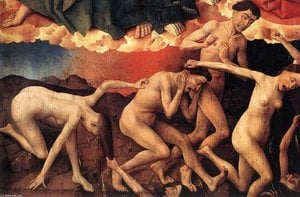
Репутація Мемлінга зросла завдяки вигідним замовленням від заможних покровителів – переважно кліру і аристократичних сімей – які шукали зображення святих і біблійних наративів, що резонували з благочестям і престижем. Видатними прикладами є “Страшний Суд” у лікарні Святого Івана в Брюгге, монументальний фреск, який демонструє майстерність композиції Мемлінга та драматичне використання кольору. Він також досяг успіху як портретист, зафіксувавши подоби видатних діячів з дивовижною чутливістю і психологічною проникливістю. Його портрети – такі як “Портрет чоловіка зі стрілою” – демонструють його здатність передавати характер через тонкі жести та вирази обличчя, що закріпило його місце серед найвидатніших художників своєї епохи.
Вплив і спадщина
Мистецька спадщина Мемлінга простягається далеко за межі його власного життя. Його майстерня створила величезну кількість картин – багато з яких мають стилістичну схожість з оригінальними роботами Мемлінга – які поширювали унікальну естетику Мемлінга по всій Фландрії та за її межами. Більше того, скрупульозна техніка Мемлінга служила джерелом натхнення для наступних поколінь художників – особливо Квентіна Массіса, який заснував Антверпенську школу – закріплюючи позицію Мемлінга як наріжного каменю фламандського мистецтва Відродження. Його вплив можна простежити в роботах багатьох майстрів, які прагнули досягти такої ж точності та гармонії у своїх творах.
Відкриття заново та незмінна популярність
Мистецькі досягнення Мемлінга були значною мірою забуті до XIX століття, коли вчені відкрили для себе його картини і відзначили його геній. Сьогодні роботи Мемлінга – особливо “Страшний Суд” – продовжують захоплювати глядачів у всьому світі, служачи незмінними символами художньої досконалості та духовної медитації. Його скрупульозність до деталей і глибоке розуміння людської психології залишаються вражаюче актуальними в сучасному оцінюванні історії мистецтва. Він – майстер, чия творчість продовжує надихати та захоплювати серця поколінь.



 Переглянути в інтер'єрі
 Замовити репродукцію ручної роботи
 Надіслати як листівку
 Поділитися
 Детальніше

 Завантажити
 Схожі експонати
 Рентгенівське дослідження
 Слайд-шоу
 Статистика


 Читати далі






































 Скляний варіант доступний лише для розмірів до 110 см


![Scrovegni - Last Judgment (detail) [04] — Джотто Ді Бондоне, Proto-renaissance](/media/artworks/images-thumb/2c/cc/2cccbf5d66de604df5c3cc5658637344.jpg)