

Полотна та художні принти від ₴2221 за розміром 39 x 25 cm
Копія олією ручної роботи від ₴9019
Мистецький твір, представлений на цій сторінці, захищений законом про авторське право, що унеможливлює легальне створення або продаж його ідентичної репродукції. Цей захист забезпечується відповідно до міжнародних угод, таких як Бернська конвенція та національним законодавством, зокрема положеннями, що викладені в Законодавство США про авторське право — Розділ 17. Всі права захищені. Будь-яке використання без дозволу заборонено.
Цей метод повністю відповідає нормам авторського права, оскільки він не передбачає копіювання чи дублювання захищеного твору мистецтва. Натомість це творче переосмислення — створення нового малюнка під впливом оригіналу, який не є його точним відтворенням.
Музейна якість друку (ji-clée) або полотно з швидким виготовленням та різноманітними варіантами фінішної обробки. ( Олія ручного фарбування Купити цифрове зображення
)
Наш бюджетний варіант друку: те саме зображення, надруковане на поліестеровому полотні щільністю 260 г/м² замість бавовняного, що доставляється у рулоні в тубусі звичайною поштою протягом 3–4 тижнів. Тільки в рулоні (без підрамника та рами) та без термінового виготовлення, для розмірів, де хоча б одна сторона становить 80 см або менше. Приблизно на 30% дешевше, ніж друк на бавовняному полотні.
Недоступно для цього розміру: принаймні одна сторона має бути не більше ніж 80 см.
Тільки в рулоні: щоб обрати цей принт, виберіть варіант полотна в рулоні.
Доступно для розмірів, де обидві сторони не перевищують 110 см. Для більших розмірів друк виконується на матовому бавовняному полотні.
Матове архівне полотно недоступне для цього розміру: обидві сторони мають бути не більше 110 см. Замість цього ваш принт буде надруковано на матовому бавовняному полотні.
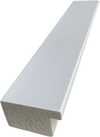
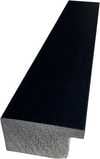
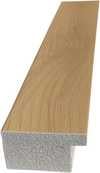
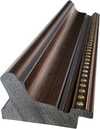
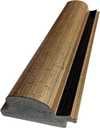
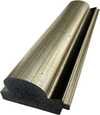
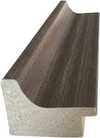
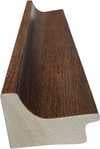
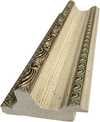
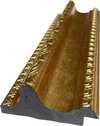
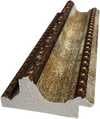
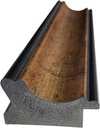
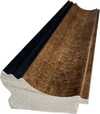
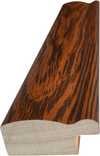
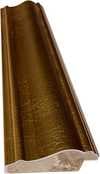

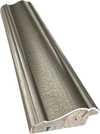
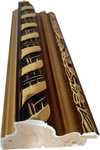


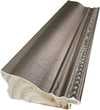
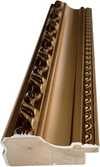

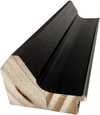
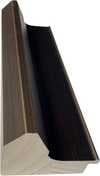

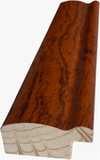
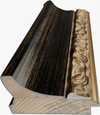
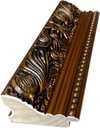
Обирайте з наших стандартних розмірів, що відповідають оригінальним пропорціям твору мистецтва.

Введіть необхідну ширину та висоту, щоб принт ідеально підійшов до вашої рами або стіни. Принт можна лише обрізати, але не можна зробити більшим за оригінал, тому при зміні пропорцій частина зображення буде втрачена. Перед друком ми надсилаємо вам цифровий макет для затвердження. Зображення на цій сторінці не відображає реальну обрізку — її можна побачити лише на макеті.
Доставка по всьому світу () за 2 тижні замість стандартних 4/5 тижнів. (24 Грудень)
Для економного друку на поліполотні, що відправляється звичайною поштою, послуги термінового виготовлення та експрес-доставки недоступні.
Oiseau
Розмір репродукції
Доставка по всьому світу () звичайною поштою протягом 3–4 тижнів. (24 Грудень)
Max Ernst’s “Oiseau (Bird)” – often referred to as “L'Oiseau Mère” or "The Mother Bird" – is not merely a depiction of avian form; it’s an immersion into the subconscious, a distilled fragment of the artist’s intensely personal and profoundly unsettling vision. Painted in 1951, during a period of considerable artistic evolution for Ernst, this work exemplifies his masterful manipulation of technique—particularly his innovative use of *grattage* – to create textures that vibrate with hidden meaning. The painting immediately draws the eye with its stark contrast: a pale beige, almost parchment-like background punctuated by the assertive red outline of the bird itself. This deliberate simplicity belies a complex layering of symbolism and psychological exploration.
Ernst’s approach to composition is strikingly unconventional. The bird, rendered in bold, uneven lines, occupies a central position within the frame, yet its incompleteness—the gaping “hole” where its belly should be—is profoundly unsettling. This deliberate absence isn't simply a technical oversight; it speaks volumes about themes of vulnerability, loss, and perhaps even the fragmented nature of selfhood – ideas that were central to Ernst’s broader artistic concerns during this period. The bird’s head, a simplified circle with a single blue eye, possesses an almost childlike quality, further amplifying its sense of innocence juxtaposed against the unsettling void within its form.
To fully appreciate “Oiseau,” one must understand Ernst’s groundbreaking technique of *grattage*. Developed in 1925, this method involved applying paint to a canvas and then vigorously scraping it away with a palette knife or other tool. This process created a textured surface—a map of the underlying materials—that was then layered with subsequent paint applications. In “Oiseau,” the *grattage* technique is particularly evident in the mottled background, which resembles aged paper or fabric – a deliberate choice that evokes a sense of history and decay. The rough edges of the bird’s outline further contribute to this tactile effect, inviting the viewer to engage with the painting on a sensory level.
The use of red as the dominant color is also significant. Red, in Ernst's work, often represents passion, danger, and even death – potent symbols that resonate throughout his oeuvre. Here, it serves to highlight the bird’s vulnerability and its precarious existence within the stark landscape. The limited palette—primarily beige, red, and blue—reinforces this sense of austerity and emotional restraint.
“Oiseau” firmly situates itself within the broader context of Surrealist art, a movement that sought to unlock the creative potential of the unconscious mind. Ernst was a key figure in the development of Surrealism, alongside artists like Salvador Dalí and René Magritte. His work frequently explored themes of dreams, mythology, and psychological trauma – subjects often considered taboo during the early 20th century. The bird itself is laden with symbolic weight; birds have long been associated with freedom, spirituality, and transformation in art and literature.
Interestingly, Ernst’s fascination with birds extended beyond mere aesthetic interest. He developed an alter ego, “Loplop, the Bird Superior,” a recurring figure in his writings and artwork, embodying qualities of wisdom, cunning, and even danger. This personal mythology informs our understanding of "Oiseau," suggesting that the bird is not simply a representation of nature but also a projection of Ernst’s own complex psyche.
“Oiseau” remains a powerfully evocative work, inviting multiple interpretations. It can be seen as a meditation on loss and incompleteness, a poignant reflection on the fragility of life, or even a symbolic representation of the artist’s own struggles with identity and self-doubt. Regardless of one's interpretation, the painting’s enduring appeal lies in its ability to tap into fundamental human emotions—a sense of vulnerability, longing, and perhaps even a touch of melancholy. It stands as a testament to Ernst’s genius – his capacity to transform simple materials into profound expressions of the inner world.
Друк: Oiseau відтворюється як джикле-принт на бавовняному полотні або на архівному папері Epson.
Розміри варіюються від 39.3 x 25.4 cm (₴2221) до 246.5 x 159.4 cm (₴16632); у таблиці на цій сторінці наведено доступні варіанти та їхню вартість.
Принт у тубусі доставляється безкоштовно звичайною поштою протягом 3–4 тижнів; доставка натягнутого на підрамник або в раму принта займає 4–5 тижнів. Експрес-доставка кур'єром доступна лише за умови оплати опції «Експрес-доставка», що пропонується на цій сторінці. Ви можете повернути товар протягом 100 днів і отримати повне відшкодування без жодних додаткових умов.
Acrylic On Canvas

Born in Brühl, Germany, amidst profound global upheaval, Ernst’s artistry was forged in the fires of Dadaist rebellion and Surrealist truth.

Born in the coastal air of Ostend in 1860, Ensor used carnival masks and the grotesque to unmask the human condition through a fever dream of color.

A signed urinal titled Fountain was submitted by Marcel Duchamp in 1917. See how this provocation sparked a revolt against logic and art.

 Переглянути в інтер'єрі

 Надіслати як листівку
 Поділитися
 Деталі витвору
 Інформаційна картка


 Завантажити
 Схожі екземпляри
 Рентгенівське дослідження
 Слайд-шоу
 Питання та відповіді

 Статистика


 Повний опис Oiseau
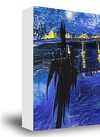

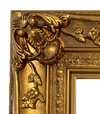
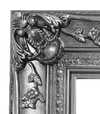


 Скляний варіант доступний лише для розмірів до 110 см


