

Мистецький твір, представлений на цій сторінці, захищений законом про авторське право, що унеможливлює легальне створення або продаж його ідентичної репродукції. Цей захист забезпечується відповідно до міжнародних угод, таких як Бернська конвенція та національним законодавством, зокрема положеннями, що викладені в Законодавство США про авторське право — Розділ 17. Всі права захищені. Будь-яке використання без дозволу заборонено.
Цей метод повністю відповідає нормам авторського права, оскільки він не передбачає копіювання чи дублювання захищеного твору мистецтва. Натомість це творче переосмислення — створення нового малюнка під впливом оригіналу, який не є його точним відтворенням.
Друк جيкле або на полотні музейної якості з оперативним виготовленням та різноманітними варіантами фінішної обробки. ( Замовити картину ручної роботи Перейти до цифрових зображень)





























Обирайте з наших стандартних розмірів, що відповідають оригінальним пропорціям твору мистецтва.

Введіть необхідну ширину та висоту, щоб принт ідеально підійшов до вашої рами або стіни. Принт можна лише обрізати, але не можна зробити більшим за оригінал, тому при зміні пропорцій частина зображення буде втрачена. Перед друком ми надсилаємо вам цифровий макет для затвердження. Зображення на цій сторінці не відображає реальну обрізку — її можна побачити лише на макеті.
Доставка по всьому світу () за 2 тижні замість стандартних 4/5 тижнів. (9 Листопад)
Landscape 1
Розмір репродукції
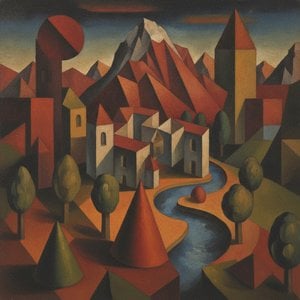
Max Ernst’s “Landscape,” painted in 1957, isn't merely a depiction of a rural scene; it’s an embodiment of the core tenets of Surrealist art – a deliberate disruption of rational thought and a fascination with the subconscious mind. This striking piece showcases Ernst’s signature blend of Cubism and Dada influences, resulting in an image that feels both meticulously crafted and profoundly unsettling.
Beyond its visual appeal lies a rich tapestry of symbolic references. Ernst’s use of geometric shapes—particularly angular rocks and abstracted tree trunks—reflects the Surrealists' preoccupation with dismantling traditional representations. These forms aren’t meant to mirror reality but rather to evoke psychological states, mirroring the fragmented perceptions inherent in dreams.
Painted during the height of Surrealism’s influence—a movement born from disillusionment with postwar Europe— “Landscape” speaks to a broader philosophical concern: the exploration of irrationality and the confrontation with anxieties surrounding societal change. Ernst, deeply impacted by Freud’s psychoanalytic theories, sought to liberate art from the constraints of logic, prioritizing intuition and dreamlike imagery.
"Landscape" transcends its formal elements to convey a profound sense of solitude and wonder. It captures the quiet contemplation of someone encountering something extraordinary—a hidden beauty or an unspoken truth—within the seemingly mundane expanse of nature. Ernst’s enduring contribution to art history lies in his unwavering commitment to artistic experimentation and his courageous exploration of the human psyche, cementing “Landscape” as a cornerstone of Surrealist aesthetics.
«Landscape 1» роботи Макс Ернст має рівень популярності Recognized і належить до течії Surrealist Landscape.
Для «Landscape 1» існує сторінка Статистика переглядів, на якій відображено щомісячну кількість переглядів цього твору та інших робіт митця з розподілом за країнами та мовами.
Переважаючим кольором у творі «Landscape 1» роботи Макс Ернст є Putty (#d0d1a8).

Макс Ернст, який народився 1 квітня 1891 року в Брюлі, Німеччина, під справжнім ім'ям Максиміліан Марія Ернст, був неспокійною душею, приреченою стати однією з найважливіях постатей у мистецтві XX століття. Його шлях не був звичайним академічним навчанням; це було самостійне дослідження, підживлене філософськими пошуками, психологічною цікавістю та глибоким розчаруванням у суспільних нормах. Батько Ернста, вчитель глухонімих і художник-аматор, прищепив йому як чутливість до навколишнього світу, так і бунтівний дух проти встановленої влади. Ця рання дуальність згодом стала визначальною рисою його художнього бачення.
Академічні заняття Ернста в Боннському університеті — що охоплювали філософію, історію мистецтв, літературу, психологію та психіатрію — були не просто розвагами, а фундаментальними елементами, які глибоко вплинули на його подальшу творчість. Його цікавило не лише те, як малювати; він намагався зрозуміти, чому. Ця інтелектуальна допитливість привела його до знайомства з революційними роботами Пікассо, Ван Гога та Гогена на виставці Зондербунд у Кельні в 1912 році — моменті, який безповоротно змінив його творчу траєкторію. Насіння модернізму було посіяне.
Катаклізм Першої світової війни став переломним моментом для Ернста. Його досвід солдата на Східному та Західному фронтах глибоко потряс його, породивши скептицизм щодо встановленого порядку та жагу до нових способів самовираження. Це розчарування знайшло родючий ґрунт у новому русі Дада, який він з ентузіазмом прийняв після повернення до Кельна в 1918 році. Разом із Гансом Арпом — другом і соратником на все життя — Ернст став центральною фігурою кельнської групи Дада, відкидаючи традиційні художні канони та обираючи абсурд, випадковість і антираціональність.
Однак Дада був лише сходинкою. На початку 1920-х років Ернст переїхав до Парижа і приєднався до лав сюрреалістів під проводом Андре Бретона. Це ознаменувало перехід до дослідження царства снів, несвідомого розуму та ірраціонального. Під впливом психоаналітичних теорій Зигмунда Фрейда, Ернст прагнув розкрити приховані глибини людського досвіду через своє мистецтво. Його не цікавило зображення реальності такою, якою вона здається; він прагнув виявити підсвідомі психологічні сили, що формують її.
Художня інноваційність Ернста виходила за межі тематики; він був невпинним експериментатором із технікою. Він не просто переймав існуючі методи — він створював нові. Мабуть, його найзначнішим внеском є фроттаж — процес перенесення текстури поверхні на папір шляхом розтирання олівця або вугілля, що дозволяло створювати несподівані та емоційні образи. Ця техніка, народжена з моменту нудьги під час споглядання текстури дерева, дозволила Ернсту доторкнутися до підсвідомого та генерувати форми, що не піддавалися свідомому контролю. Тісно пов'язаним був і гратаж, де фарба зішкреблася з полотна, відкриваючи нижні шари.
Він також майстерно використовував колаж, поєднуючи розрізнені елементи — зображення з журналів, наукові ілюстрації, фотографії — у сюрреалістичні композиції, що кидали виклик традиційним уявленням про репрезентацію. Ці техніки не були лише стилістичним вибором; вони були невід'ємною частиною його дослідження несвідомого та бажання зруйнувати художні межі. Його картини часто містять повторювані символічні образи: птахів (зокрема його альтер его Лоплопа), пустельні пейзажі, тривожні поєднання та всеохопне відчуття таємниці.
Початок Другої світової війни змусив Ернста покинути Європу і знайти притулок у Сполучених Штатах. Він продовжував малювати та експериментувати з новими техніками протягом усього періоду вигнання, зрештою повернувшись до Франції після війни, де залишався активним до самої смерті 1 квітня 1976 року в Парижі. Його вплив на наступні покоління митців є безмежним.
Внесок Макса Ернста у Дада та Сюрреалізм був справді революційним. Він кинув виклик мистецьким нормам, занурився в глибини підсвідомого розуму та винайшов інноваційні техніки, які продовжують надихати художників і сьогодні. Він не був просто живописцем; він був дослідником, провокатором і візіонером, який розширив межі самого мистецтва. Його творчість залишається свідченням сили уяви, привабливості ірраціонального та невпинного прагнення зрозуміти складність людської психіки.

1891 - 1976 , Німеччина
Explore the profound evolution of Cubist landscapes. Discover how masters like Braque and Picasso redefined perspective through geometric mastery, transforming nature into an intellectual mosaic of form and light for the discerning modern art collector.
 Переглянути в інтер'єрі
 Надіслати як листівку
 Поділитися
 Деталі витвору
 Посібник

 Завантажити
 Схожі екземпляри
 Рентгенівське дослідження
 Слайд-шоу
 Питання та відповіді
 Статистика
 Розгорнути текст









 Скляний варіант доступний лише для розмірів до 110 см


