x
Переглянути в інтер'єріПереглянути в інтер'єрі Перегляд в ARПерегляд в AR Замовити принт Замовити принтКупити цифрове зображення Купити цифрове зображення Надіслати як листівкуНадіслати як листівку
ДетальнішеДетальніше Додати до улюблених Додати до улюблених ЗавантажитиЗавантажити Схожі експонатиСхожі експонати Рентгенівське дослідженняРентгенівське дослідження Слайд-шоуСлайд-шоу

John Grimes

Matthew Harris Jouett (1788-1827) was a prominent American portrait painter known for his realistic depictions of Kentucky's early leaders & War of 1812 figures. Explore his paintings and legacy.

Matthew Harris Jouett (1788-1827) was a prominent American portrait painter known for his realistic depictions of Kentucky's early leaders & War of 1812 figures. Explore his paintings and legacy.

Олійная репродукція ручної роботи

Написана вручну олією на полотні у вашому розмірі та рамі, виготовлена на замовлення нашими художниками. (Замовити принт Замовити принтКупити цифрове зображення Купити цифрове зображення)

P118B $10
P118H $10
P118W $10
P438Z $10
P508JH $12
P508YH $12
P805H $10
P805Z $10
P919BZ $10
P919G $10
P919XJ $10
P959ZH $10
P968JZ $12
W106C $8
W218G $10
W218JH $8
W218Y $10
W307PJ $10
W316G $10
W316PJ $8
W316Y $10
W398PJ $8
W4111J $10
W500HY $15
W500JH $15
W692G $12
W849H $8
W940BG $15
W953PJ $8

Стандартний розмір
індивідуальний
CM
INCH

Обирайте з наших стандартних розмірів, що відповідають оригінальним пропорціям твору мистецтва.

ширина
висота

Ви можете вказати власні розміри, щоб репродукція ідеально підійшла до конкретної рами або інтер'єру. Якщо вибраний вами розмір не відповідає пропорціям оригіналу, ми або обріжемо полотно, або доповнимо картину додатковими елементами, промальованими вручну. Цифровий макет буде надіслано вам на затвердження перед початком виробництва.
Зверніть увагу, що попередній перегляд на екрані не відображає фактичне обрізання або розширення зображення. Тільки макет точно покаже остаточну композицію.
Хоча ми можемо виготовити виріб у нестандартному розмірі, для збереження оригінальних пропорцій рекомендуємо обирати варіанти зі встановленого списку.

Приклади можливих змін: замінити обличчя на фото клієнта; додати домашню тварину (наприклад, замінити кота на собаку); додати приховане повідомлення на фоні; змінити ландшафт або елементи фону.
Після оформлення замовлення команда WahooArt.com зв'яжеться з клієнтом електронною поштою для отримання інструкцій та надасть попередній макет

Доставка по всьому світу () за 3–4 тижні замість стандартних 5 тижнів. (29 Серпень). Без жодних компромісів у якості.

why_choose_icon
Безкоштовна експрес-доставка по всьому світу
why_choose_icon
Високоякісне лляне полотно
why_choose_icon
Повне страхове покриття доставки
why_choose_icon
Гарантія відшкодування митних зборів
why_choose_icon
Гарантія точного відтворення кольорів
why_choose_icon
Політика повернення протягом 60 днів (лише у разі виявлення дефектів)
why_choose_icon
Гарантія повернення 100% коштів
why_choose_icon
Пропозиція на оптові замовлення

Загальна вартість

$ 272

reproduction

John Grimes

Матеріал репродукції

Розмір репродукції

-

Підсумкова вартість

$ 272

Основна інформація

  • Medium: Oil on wood
  • Artist: Matthew Harris Jouett
  • Year: ca. 1824
  • Dimensions: 28 1/4 x 21 3/4 in.
  • Movement: Neoclassical
  • Artistic style: Realistic portraiture
  • Influences: Thomas Gainsborough

Квіз про мистецтво

У кожному запитанні лише одна правильна відповідь.

Запитання 1:
What is the primary artistic style of Matthew Harris Jouett’s painting ‘John Grimes’?
Запитання 2:
The image description mentions the artist’s use of ‘light and atmosphere.’ What is a characteristic feature of Neoclassical painting that contributes to this effect?
Запитання 3:
According to the biographical information, Thomas Gainsborough is known for his contribution to what artistic movement?
Запитання 4:
What time period does the painting ‘John Grimes’ represent?
Запитання 5:
The image description describes the man in the painting as having a ‘serious expression.’ What is a common purpose of portraiture during Gainsborough’s time?

A Glimpse into the Soul of Kentucky: The Captivating Presence of John Grimes

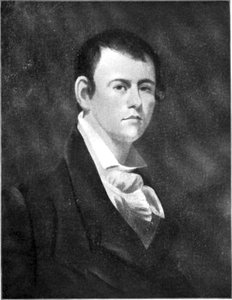
In the quiet, evocative depths of Matthew Harris Jouett’s 1824 masterpiece, "John Grimes," we encounter more than a mere likeness; we meet a moment frozen in the amber of American history. This portrait serves as a profound window into the burgeoning Romantic sensibility that began to stir within the young United States during the early nineteenth century. The subject, John Grimes—a figure of significance in the Kentucky landscape—is presented not just as a man of status, but as a vessel for psychological depth. As your eyes meet his serious, steady gaze, there is an immediate sense of an unfolding narrative, a silent dialogue between the sitter and the observer that transcends the centuries separating us from his era.

The painting is a masterclass in the delicate balance between Neoclassical structure and Romantic expression. While the formal, dignified pose of Grimes echoes the idealized, heroic figures popularized by masters like Jacques-Louis David, Jouett breathes a restless, human energy into the composition. Through the masterful application of chiaroscuro, the artist sculpts the subject out of the shadows, using dramatic contrasts of light and dark to define the contours of his face and the heavy texture of his attire. This technique, reminiscent of the great Caravaggio, does more than create three-dimensional realism; it imbues the portrait with a sense of inner turmoil and contemplative weight, making the sitter feel vibrantly alive.

Technique and Texture: The Artistry of Light and Shadow

For the discerning collector or interior designer, the technical brilliance of Jouett’s work offers endless inspiration. The artist’s meticulous attention to detail is nothing short of extraordinary. One can almost feel the tactile quality of the heavy fabric in Grimes' waistcoat and the subtle, soft shading that defines the weary yet resolute expression around his eyes. Jouett employs a muted, earthy palette—rich with tones of umber, ochre, and deep shadows—which creates an atmosphere of timelessness and stability. This subdued color scheme ensures that the portrait does not merely decorate a space but anchors it, providing a sophisticated focal point that commands respect and invites prolonged study.

The composition is further enriched by a subtle play of light that directs the viewer's attention to the subject's character. The way the light catches the forehead and cheekbones suggests an intellectual vitality, while the receding shadows suggest the mysteries of the private self. This interplay of light and shadow makes "John Grimes" an ideal piece for curated collections or high-end residential settings where art is intended to evoke a sense of heritage, permanence, and profound emotional resonance.

A Legacy of Tradition and Transformation

To understand this portrait is to understand the spirit of Kentucky in 1824. During this period, the region was transitioning from a rugged frontier into a settled, sophisticated statehood. The portrait reflects the dual aspirations of this era: a deep reverence for lineage and tradition, coupled with the burgeoning individual identity that would define the American character. By capturing Grimes with such dignity, Jouett was participating in a larger cultural movement—a revival of portraiture that sought to document the faces of a new nation's leaders and landowners.

Owning a high-quality reproduction of this work allows one to bring this piece of American history into a contemporary setting. Whether placed in a library, a study, or a grand hallway, "John Grimes" acts as a bridge between the past and the present. It offers an aesthetic of quiet strength and intellectual depth, making it a perfect choice for those who seek to surround themselves with art that possesses both historical gravity and an enduring, soulful beauty.


Біографія митця

Thomas Gainsborough: A Painter of Light and Landscape

Thomas Gainsborough, a name synonymous with the quintessential English countryside, was more than just a painter; he was a chronicler of his time, a master of light and atmosphere, and a pivotal figure in establishing landscape painting as a respected art form. Born on May 14th, 1727, in Sudbury, Suffolk, into a family of cloth merchants, Gainsborough’s early life offered little indication of the artistic path he would ultimately forge. His apprenticeship with a London silversmith instilled a foundational understanding of craftsmanship and detail, while his brief association with Hubert Gravelot, a French book illustrator, introduced him to the world of engraving and provided an initial exposure to the techniques that would later inform his painting style. It was this early combination – precision and observation – that proved crucial to his enduring legacy.

Early Years and Artistic Development

Gainsborough’s artistic journey began modestly, initially focusing on portraiture in Ipswich around 1752. However, he harbored a deep passion for landscape painting, a desire frequently expressed through poignant letters to his friend William Jackson, lamenting the demands of commissioned portraits and yearning for the tranquility of rural scenes. This inherent conflict – between commercial obligations and artistic inclination – shaped much of his career. His early landscapes, often characterized by loose brushwork and a vibrant palette, were largely experimental, seeking to capture not just the visual appearance of the countryside but also its mood and character. Influenced by artists like William Hogarth and Claude Lorrain, Gainsborough initially adhered to established conventions, yet he quickly developed his own distinctive style – one defined by an intuitive understanding of light, color, and composition. The influence of Dutch Masters, particularly Rembrandt’s masterful use of chiaroscuro (the contrast between light and dark), is subtly evident in the dramatic lighting effects that frequently grace his canvases.

The Rise to Prominence: Portraits and Landscapes

By the late 1760s, Gainsborough had firmly established himself as a leading portrait painter in London, attracting a clientele of nobility and gentry eager to commission depictions of themselves and their families. His portraits were notable for their psychological depth and ability to capture not just physical likeness but also personality and mood. Simultaneously, he continued to develop his landscape paintings, gradually shifting towards a looser, more expressive style. He began incorporating elements of the Picturesque – an aesthetic valuing irregularity, spontaneity, and the sublime beauty of nature – into his work, rejecting the idealized landscapes favored by some of his contemporaries. This shift was partly influenced by the writings of William Gilpin and Thomas Pennant, who championed the appreciation of natural scenery. His depictions of figures within these landscapes—often rural laborers or shepherds—added a layer of social commentary to his art, subtly reflecting on the changing relationship between humanity and nature.

Royal Patronage and Artistic Independence

Gainsborough’s success as a portraitist brought him into contact with influential figures, including the Duke and Duchess of Cumberland and, later, King George III and Queen Charlotte. These commissions provided financial security but also created tensions, particularly regarding the hanging of his paintings at the Royal Academy, which he felt undervalued his work. Frustrated by the Academy’s rigid adherence to classical principles, Gainsborough ultimately withdrew from their exhibitions in 1773, choosing instead to organize his own annual summer exhibitions in his studio at Schomberg House. This bold move demonstrated his artistic independence and solidified his position as a leading figure in the burgeoning art world of London. His decision to showcase his work independently allowed him greater control over how his paintings were presented and appreciated.

Legacy and Lasting Influence

Thomas Gainsborough died on August 2nd, 1788, leaving behind a remarkable body of work that continues to captivate audiences today. His landscapes are celebrated for their atmospheric quality, capturing the essence of the English countryside with breathtaking beauty. His portraits, equally renowned, offer profound insights into the personalities and social contexts of his subjects. Gainsborough’s influence on subsequent generations of artists is undeniable; he helped to elevate landscape painting to a position of equal importance alongside portraiture, paving the way for Romantic painters like John Constable and J.M.W. Turner. His legacy extends beyond the art world, as his paintings have become iconic representations of English identity and rural life. The Tate’s collection, including the poignant self-portrait, stands as a testament to his enduring artistic vision.
matthew harris jouett

matthew harris jouett

1788 - 1827 , United States of America

Короткі факти

  • Artistic Movement Or Style: Picturesque, Landscape
  • Artists Or Movements Influenced By This Artist:
    • Reynolds
    • Rococo
  • Artists Who Influenced This Artist: ['Hubert Gravelot']
  • Date Of Birth: May 14, 1727
  • Date Of Death: August 2, 1788
  • Full Name: Thomas Gainsborough
  • Nationality: British
  • Notable Artworks:
    • Musidora
    • The Baillie Family
    • Lady Rufford
  • Place Of Birth: Sudbury, Suffolk, England