Отримайте файл, готовий до друку, якість якого значно перевищує якість веб-попереднього перегляду. Кожне цифрове зображення, яке ми продаємо, створене на основі високої роздільної здатності з нашої бази даних — зазвичай від 5 000 до 15 000 пікселів по ширині — тому ви можете впевнено друкувати у великому форматі, робити щільну обрізку або відтворювати найдрібніші деталі.
Жоден файл не залишається в нашій студії без уваги. Експерт із цифрової обробки звіряє кольори з оригінальною картиною та за потреби коригує їх, після чого покращує чіткість і деталізацію за допомогою професійних інструментів ретушування — завжди зберігаючи вірність мазкам пензля та стилю художника. Результатом є зображення, яке виглядає як справжня картина, а не як відскановане фото з накладеними фільтрами.
Ви затверджуєте результат перед завершенням замовлення: протягом 72 годин наш експерт надішле зображення електронною поштою для вашого перегляду. Не задоволені результатом? Ви можете попросити про внесення змін чи виправлень або отримати відшкодування, якщо якість не відповідає вашим очікуванням.
Саме на таку якість покладаються видавництва, дизайн-студії, галереї та друкарні.
Завантажте файл високої роздільної здатності для особистого використання, друку та творчих проєктів. ( Перейти до друку Замовити картину ручної роботи)
Обираючи WahooArt.com, ви отримуєте не просто зображення — ви отримуєте професійно вдосконалений цифровий витвір мистецтва, створений з надзвичайною точністю та підкріплений гарантією задоволення. Ось усе, що автоматично додається до вашого замовлення:
Ваш цифровий файл із зображенням високої роздільної здатності буде надісланий вам електронною поштою протягом 72 годин після оформлення замовлення — він буде готовий до негайного використання.
Ваш витвір мистецтва професійно оптимізовано за допомогою передових інструментів штучного інтелекту та ручної корекції, що забезпечує максимальну деталізацію, чіткість і точність передачі кольорів.
Випадково видалили або втратили файл? Не хвилюйтеся — ми надішлемо його вам повторно в будь-який час безкоштовно.
Насолоджуйтесь вашим витвором мистецтва миттєво без жодних мит, зборів або плати за доставку — цифрові завантаження завжди не оподатковуються.
Ми гарантуємо максимально точне відтворення оригінальних кольорів на вашому цифровому зображенні завдяки використанню професійних інструментів та систем управління кольором.
Якщо ви не задоволені придбаним цифровим зображенням, ми внесемо правки або повернемо 100% вартості протягом 100 днів — без зайвих запитань.
Незадоволені покупкою? Отримайте повне повернення коштів протягом 100 днів після отримання цифрового файлу — без зайвих запитань.
Купуйте 3 зображення — заощаджуйте 10% — Купуйте 5 — заощаджуйте 15% — Купуйте 10+ — заощаджуйте 20%. Чудово підходить для творчих проєктів, галерей та агентств.
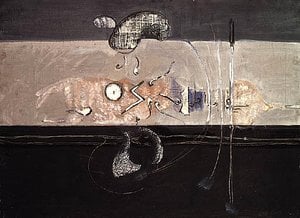
This untitled work by Mark Rothko, painted in 1945, presents a profoundly evocative experience of color and form, firmly rooted within the burgeoning Abstract Expressionist movement. More than simply an image, it’s a carefully constructed space designed to elicit contemplation – a testament to Rothko's mastery of layering, texture, and the potent emotional resonance of simple elements. The canvas immediately draws the viewer into a world of muted grays and browns, punctuated by subtle washes of peach that seem to pulse with an inner light. This restrained palette contributes significantly to the work’s melancholic mood, inviting introspection and perhaps even a recognition of underlying anxieties.
Rothko's technique is characterized by meticulous layering – a process he termed “allagazzation.” Thick impasto areas build upon thinner layers, creating a palpable sense of depth and movement. The sparse use of dark strokes isn’t merely decorative; they function as nervous markings, almost like the hesitant lines of a troubled mind. These shapes, amorphous and organic, aren't representational in any conventional sense. Instead, they exist to evoke feeling – a deliberate departure from traditional artistic goals, reflecting the post-war desire for art that addressed existential questions rather than depicting external reality.
The composition of “Untitled” deliberately avoids a clear focal point. Rothko eschews traditional perspective techniques, opting instead to create depth through overlapping planes and layered forms. This creates an ambiguous space – one that feels both expansive and claustrophobic simultaneously. The lack of defined foreground or background further enhances this effect, blurring the boundaries between observation and experience. It’s a deliberate strategy designed to disorient and challenge the viewer's expectations, forcing them to engage with the work on a purely emotional level.
The arrangement of the shapes isn’t random; it’s carefully orchestrated to generate a sense of unease and tension. The forms seem to float within the background, creating an illusion of movement and instability. This contributes to the overall feeling of anxiety that permeates the piece – a reflection perhaps of the turbulent times in which it was created.
Born in Latvia amidst a landscape of political unrest and personal displacement, Mark Rothko's early life profoundly shaped his artistic vision. His experiences instilled within him a deep sensitivity to human suffering, a theme that would become a recurring motif in his work. “Untitled” can be interpreted as an exploration of these themes – a visual representation of the anxieties and uncertainties inherent in the human condition. The muted colors and chaotic composition mirror the emotional turmoil experienced by individuals grappling with loss, isolation, and the search for meaning.
Rothko’s influence extends beyond his technical skill; he sought to create paintings that were not merely objects of aesthetic appreciation but rather portals into a deeper understanding of human emotion. This reproduction captures the essence of Rothko's artistic intent, offering a powerful and enduring meditation on the complexities of the human psyche.
This hand-painted reproduction is executed on high-quality canvas using oil paints, mirroring the materials employed by Rothko himself. The meticulous attention to detail ensures that every nuance of color and texture is faithfully reproduced, allowing you to experience the full impact of this seminal work in your own space.
Size: 57 x 77 cm (22.4" x 30.3")
Date: 1945
Завдяки своїй формі Landscape, репродукція «Untitled» чудово підійде для Living Room.
«Untitled» належить до течії Abstract Expressionism, а її автор працював у епоху — Модерн.
«Untitled» роботи Марк Ротко можна переглянути у форматі слайд-шоу на сторінці Слайд-шоу цього твору.

1903 - 1970 , Латвія
 Переглянути в інтер'єрі
 Надіслати як листівку
 Поділитися
 Деталі витвору
 Посібник

 Завантажити
 Схожі екземпляри
 Рентгенівське дослідження
 Слайд-шоу
 Питання та відповіді
 Статистика

 Розгорнути текст