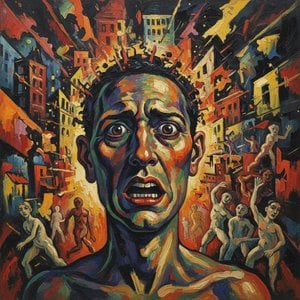
Біографія митця
A Life Forged in Realism: The World of Lucian Freud
Lucian Michael Freud, народжений у Берліні в 1922 році, успадкував інтелектуальну вагу – був онуком піонерного психоаналіста Зигмунда Фрейда. Проте шлях молодого Луціана відрізнявся від дослідження підсвідомості через теорію, а знайшов вихід у надзвичайно фізичному акті живопису. Народомні переслідування нацистів змусили його сім’ю тікати з Німеччини в 1933 році, оселившись у Лондоні – переїзд, який глибоко вплинув як на його життя, так і на часто похмурий, тривожний тон, що визначає його мистецьке бачення. Його ранню освіту позначила фрагментарність, виключення з школи Брайанстоун, але важливим уроком стали заняття в Школі живопису та графіки під керівництвом Седрика Морріса в Ест-Енглійській школі живопису і малювання в Дедам, що стало основою для його розвивається стилю – свідомий відхід від зростаючої абстракції, яку приймали багато сучасників. Це заглиблення у ретельне вивчення видимого світу виділило його серед інших, встановивши унікальну мистецьку ідентичність.
Від сюрреалістичних відгуків до безкомпромісного портрету
Мистецький шлях Фрейда не почався з жорсткої реалізму, для якого він пізніше став відомим. Його ранні роботи грали з сюрреалізмом та німецьким експресіонізмом, поєднуючи мрійливі образи з емоційною інтенсивністю. Однак ці впливи поступово були відфільтровані в щось унікальне для нього самого. До початку 1950-х років сформувався характерний стиль – що характеризується товстим імпасто, приглушеними фономі, які підкреслюють шкірні кольори, та майже жорстокою чесністю у зображенні людської форми. Він відмовлявся від ідеалізації чи похвального зображення, прагнучи замість цього вловити грубу фізичність, вразливість та психологічну вагу. Ця інтенсивна увага до портрету швидко встановила Фрейда як провідного діяча британського мистецтва, хронікура свого часу, чиє творіння резонувало з поствійськовою чутливістю, що бореться з екзистенційними питаннями. Він часто працював живо, вимагаючи важких сесій – іноді тривалих годинами або навіть днями – щоб досягти рівня деталізації та психологічної глибини, який він прагнув. Сам акт малювання став випробуванням для художника та моделі, формуючи унікальну близькість, що пронизувала його полотна.
Техніка як розкриття: тактильність буття
Мистецька техніка Фрейда була невід’ємною частиною емоційного впливу його картин. Він віддавав перевагу великим щітками з ворсом, наносячи фарби фізично, що відображало саму тему. Це створювало текстуровану поверхню, майже скульптурну за своїми розмірами, де кожен мазок показував вагу та сутність плоті. Контраст між яскравими, часто шкірними кольорами та приглушеними тонами для інтер’єрів чи пейзажів підкреслював ізоляцію та внутрішній світ. Часто малюючи стоячи, пізніше адаптуючись до використання високого стільця, він зберігав динамічні стосунки з полотном і моделлю. Цей фізичний залучення не було просто технікою; це було занурення в акт бачення – справді *спостерігати* предмети та перекладати це спостереження на фарби. Роботи, такі як Дівчина з кішкою (1947), демонструють цей ранній розвиток, а пізніші твори, такі як Сплюснута працівниця переваг (1995), ілюструють його зрілий стиль – безкомпромісний погляд на людську природу. Сама матеріальність фарб стала засобом передачі не лише зовнішнього вигляду, але й відчуттів та емоцій.
Наслідування та вплив: залишений слід
Мистецький шлях Луціана Фрейда пролунав протягом 60 років і залишився незабутнім відбитком у британському портреті, кинувши виклик традиційним уявленням про красу та представлення. Він не цікавився зображенням соціального статусу чи зовнішніх ознак; він прагнув розкрити щось глибше, більш первинне – сутність буття людини в усіх її складнощах і недосконалості. Його вплив поширився далеко за межі живопису, надихаючи художників у різних дисциплінах завдяки незламному баченню та майстерності техніки. Енергійність та психологічна глибина його робіт продовжують захоплювати аудиторії в усьому світі, забезпечуючи йому місце серед найважливіших і впливових художників 20 століття. Він був ключовою фігурою “Школи Лондона”, групи художників-фігуративних митців, які працювали в Лондоні під час домінування абстрактного експресіонізму, об’єднаних зосередженістю на прямому спостереженні та емоційній чесності. Його картини зберігаються у великих музеях у всьому світі – Tate в Лондоні, Freud Museum London і Goldsmiths' College, University of London – як вічні свідки його мистецького генія. Його роботи залишаються потужним нагадуванням про те, що сила фігуративного мистецтва полягає у тому, щоб зіставити нас з собою.



 Переглянути в інтер'єрі
 Перейти до друку
 Надіслати як листівку
 Поділитися
 Деталі витвору
 Посібник

 Завантажити
 Схожі екземпляри
 Рентгенівське дослідження
 Слайд-шоу
 Статистика


 Розгорнути текст






































 Скляний варіант доступний лише для розмірів до 110 см