Біографія митця
A Renaissance Master of Saxony: The Life and Art of Lucas Cranach the Elder
Lucas Cranach the Elder, народжений у місті Кронах, Німеччина, близько 1472 року, є ключовою фігурою німецького Ренесансу. Його життя розгорталося в період глибоких релігійних і політичних потрясінь, а його мистецтво нерозривно пов’язане як з бурхливим протестантським реформуванням, так і з розкішними дворами, які він обслуговував. Спочатку він був учнем свого батька, Ганса Малера, і ранній розвиток його мистецтва відносно невідомий, хоча впливи південнонімецьких майстрів очевидні у його стилі, що поступово розвивався. Він швидко виділився не лише як кваліфікований ремісник, а й як художник, здатний вловити психологічну глибину поряд із технічною точністю – якості, які привернули увагу впливових меценатів. У 1504 році він вступив на службу до Фрідріха III, Електора Саксонії, стосунки з яким визначили значну частину його кар’єри та забезпечили йому як стабільність, так і доступ до впливових кіл. Ця посада художника при дворі у Віттенберзі не була простою для створення декоративних робіт; вона поставила Cranach в серце одного з найбільш трансформаційних рухів європейської історії.
Patronage, Reformation, and Artistic Innovation
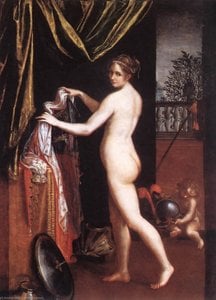
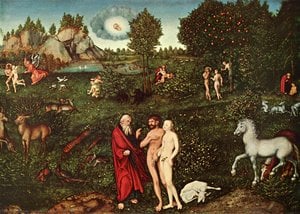
Позиція Cranach у саксонському дворі виявилася вирішальною не лише для його доходу, а й для розвитку його мистецтва. Він не просто документував події; він активно формував візуальні наративи в час глибоких змін. Його найдовговішою спадщиною є тісні зв’язки з Мартином Лютером, центральною фігурою протестантського реформування. Cranach створив не менше десяти портретів Лютера, кожен з яких пропонує унікальний погляд на особистість та еволюцію реформатора – якості, необхідні для лідера, що кидає виклик усталеному релігійному порядку. Крім портретної живопису, Cranach створював зображення, які відображали реформаторські ідеї, зокрема, він розповсюджував протестантські ідеї за допомогою гравюр та картин. Його зображення біблійних сцен відрізнялися від традиційних католицьких іконографічних рішень, підкреслюючи прямий контакт зі Священним Письмом і сприяючи більш особистому зв’язку між глядачем і вірою. Наприклад, картина «Проголошення Йохана» випромінює радісний дух, відображаючи новий акцент на індивідуальну піту в реформованій церкві. Цей інноваційний підхід поширився не лише на релігійні теми; міфологічні картини Cranach, такі як зображення Венери та інших класичних фігур, часто мали алегоричний зміст, що стосувався сучасних політичних і соціальних питань.
Style and Technique: A Workshop Dynasty
Lucas Cranach the Elder не був самотнім художником, який працював у відірваному середовищі. Він керував надзвичайно продуктивною майстернею, в якій працювали численні помічники та учні, які значно сприяли його творчості. Цей кооперативний підхід означав, що багато робіт, приписаних Cranach, насправді були створені під його керівництвом або членами його кола – зокрема, його сином, Лукасом Кранахом молодшим. Майстерня Cranach стала відома своїм характерним стилем: елегантні фігури з видовженими пропорціями, яскраві кольори та ретельна увага до деталей. Його техніка включала поєднання масляної живопису, гравюри та літографії, дозволяючи йому охопити широку аудиторію як оригінальними творами мистецтва, так і доступними друками. Полювання на оленів Електора Фрідріха III демонструє його майстерність у стилі північного Ренесансу, відображаючи деталізований реалізм поряд із благородним символізмом. Композиція динамічна, передає енергію полювання, водночас виражаючи владу та статус електора. Його використання світла і тіні створює відчуття глибини та атмосфери, залучаючи глядача до сцени. Його портрети також вражаючі, характеризуються психологічною проникливістю та витонченою виконаністю.
Legacy and Enduring Influence
Lucas Cranach the Elder помер у 1553 році, залишивши за собою надзвичайну мистецьку спадщину, яка й досі резонує сьогодні. Він був майстром портретної живопису, кваліфікованим інтерпретатором релігійних тем і розумним бізнесменом, який розумів силу візуальної комунікації. Його твори не лише відображають культурний та інтелектуальний дух його часу, але й сприяли формуванню цих струмів. Майстерня Cranach продовжувала процвітати після його смерті, гарантуючи, що його стиль і техніки передавалися наступним поколінням. Його вплив можна побачити у роботах багатьох пізніших художників, і його картини залишаються високо оціненими колекціонерами та музеями в усьому світі. Від знакового портрету Мартина Лютера до захоплюючих міфологічних сцен Cranach’s art пропонує захопливе вікно у світ німецького Ренесансу – світу, що характеризувався глибокими духовними питаннями та мистецьким інноваціями. Його здатність поєднати релігійний фанатизм, політичний інтелект і мистецький талант зміцнив його місце як одного з найважливіших художників свого часу, і його внесок продовжує надихати та захоплювати аудиторії протягом століть.



 Переглянути в інтер'єрі
 Замовити картину ручної роботи
 Надіслати як листівку
 Поділитися
 Деталі витвору
 Посібник

 Завантажити
 Схожі екземпляри
 Рентгенівське дослідження
 Слайд-шоу
 Статистика


 Розгорнути текст






































 Скляний варіант доступний лише для розмірів до 110 см