Переглянути в інтер'єрі Примірка в AR Перейти до друку Купити картину ручної роботи Надіслати
Деталі Посібник Додати до улюблених Завантажити Схожі предмети колекціонування Рентгенівське дослідження Слайд-шоу Статистика переглядів

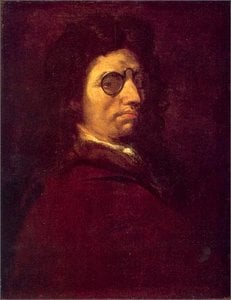
A Cynical Philospher

Explore Luca Giordano's 'A Cynical Philosopher,' a captivating Baroque portrait from the Alte Pinakothek. Witness masterful detail & introspective symbolism.

Лука Ґіадо́рні (1634-1705): Неаполітанський живописець, відомий як «Luca fa presto». Його барвисті фрески та картини вражають динамізмом та емоційною насиченістю. Відкрийте для себе світ пізнього бароко!

Придбайте цифрову копію високої роздільної здатності з покращеною якістю, що значно перевершує онлайн-перегляд.

Кожен файл ретельно підготовлений нашими фахівцями за допомогою сучасних інструментів та професійної ручної ретуші. Ми гарантуємо виняткову чіткість, точну передачу кольору та високу деталізацію кожного зображення.

Фінальний файл надсилається електронною поштою протягом 72 годин і оптимізований для негайного використання у професійних виданнях та друкованих матеріалах. Таку якість обирають провідні дизайнерські студії, видавництва та галереї.

Цифрове зображення

Завантажте файл високої роздільної здатності для особистого використання, друку та творчих проєктів. ( Перейти до друку Купити картину ручної роботи)

Загальна вартість

$ 24,90

Що входить у кожне замовлення цифрових зображень

Експертна цифрова доставка з гарантією якості

Обираючи WahooArt.com, ви отримуєте не просто зображення — ви отримуєте професійно вдосконалений цифровий витвір мистецтва, створений з надзвичайною точністю та підкріплений гарантією задоволення. Ось усе, що автоматично додається до вашого замовлення:

shipping_icon
Швидка доставка на email

Ваш цифровий файл із зображенням високої роздільної здатності буде надісланий вам електронною поштою протягом 72 годин після оформлення замовлення — він буде готовий до негайного використання.

canvas_icon
Цифровий файл із покращенням ШІ

Ваш витвір мистецтва професійно оптимізовано за допомогою передових інструментів штучного інтелекту та ручної корекції, що забезпечує максимальну деталізацію, чіткість і точність передачі кольорів.

insurance_icon
Безкоштовне повторне завантаження назавжди

Випадково видалили або втратили файл? Не хвилюйтеся — ми надішлемо його вам повторно в будь-який час безкоштовно.

tax_icon
Без митних зборів — завжди

Насолоджуйтесь вашим витвором мистецтва миттєво без жодних мит, зборів або плати за доставку — цифрові завантаження завжди не оподатковуються.

color_icon
Гарантія точності кольорів

Ми гарантуємо максимально точне відтворення оригінальних кольорів на вашому цифровому зображенні завдяки використанню професійних інструментів та систем управління кольором.

return_icon
100-денна гарантія задоволення клієнта

Якщо ви не задоволені придбаним цифровим зображенням, ми внесемо правки або повернемо 100% вартості протягом 100 днів — без зайвих запитань.

guarantee_icon
Гарантія повернення 100% коштів

Незадоволені покупкою? Отримайте повне повернення коштів протягом 100 днів після отримання цифрового файлу — без зайвих запитань.

discount_icon
Знижки на оптові замовлення

Купуйте 3 зображення — заощаджуйте 10% — Купуйте 5 — заощаджуйте 15% — Купуйте 10+ — заощаджуйте 20%. Чудово підходить для творчих проєктів, галерей та агентств.

Короткі факти

  • Medium: Oil on canvas
  • Movement: Baroque art
  • Title: A Cynical Philosopher
  • Influences: Ribera
  • Location: Alte Pinakothek, Munich
  • Artist: Luca Giordano
  • Year: 17th century

Тест на знання мистецтва

У кожному запитанні лише одна правильна відповідь.

Запитання 1:
What artistic period is 'A Cynical Philosopher' most closely associated with?
Запитання 2:
Where is the painting 'A Cynical Philosopher' currently housed?
Запитання 3:
What is a prominent characteristic of the lighting in this painting?
Запитання 4:
Which artist created 'A Cynical Philosopher'?

A Cynical Philosopher: A Glimpse into 17th Century Intellectualism

Luca Giordano's "A Cynical Philosopher," painted in the 17th century, is more than just a portrait; it’s a window into the intellectual climate of its time. This oil on canvas masterpiece, measuring 131 x 103 cm and residing within the esteemed Alte Pinakothek in Munich, Germany, captures a moment of profound contemplation. The work exemplifies the Baroque period's fascination with dramatic lighting, detailed realism, and psychological depth. It invites viewers to ponder the nature of knowledge, skepticism, and the solitary pursuit of wisdom.

Artistic Style and Technique

Giordano’s skill shines through in his realistic depiction of the philosopher. He masterfully employs chiaroscuro – the contrast between light and shadow – to sculpt the figure's form and draw attention to his face, the focal point of the composition. The warm earth tones create an introspective atmosphere, enhancing the sense of quiet contemplation. Noticeable brushstrokes add texture and depth, a hallmark of Baroque painting that distinguishes it from earlier, smoother styles. The globe on a stand, meticulously rendered, suggests a scholarly setting and hints at the philosopher's intellectual pursuits. Giordano’s ability to capture subtle nuances in expression is particularly noteworthy; the philosopher’s gaze seems lost in thought, conveying a sense of detachment from the world around him.

Symbolism and Meaning

The painting is rich with symbolic meaning. The philosopher’s attire – simple yet dignified – suggests a rejection of worldly concerns, aligning with the Cynic philosophical school that valued virtue and self-sufficiency above material possessions. The globe represents knowledge and the vastness of human understanding, while the books or scrolls likely symbolize the pursuit of wisdom through study. The overall composition evokes a sense of solitude and introspection. The philosopher is isolated within his intellectual world, seemingly oblivious to any external distractions. This theme resonates with other works exploring similar concepts, such as Nicholas Hilliard’s “Miniature of d'Alençon,” which also portrays a figure absorbed in thought. It speaks to the timeless human desire for understanding and the often-lonely path towards enlightenment.

Historical Context and Legacy

"A Cynical Philosopher" was created during a period of significant intellectual ferment, as Europe emerged from the Renaissance and grappled with new scientific discoveries and philosophical ideas. The Baroque era itself was characterized by dramatic artistic expression and a desire to evoke strong emotions in viewers. Giordano, a prolific artist known for his speed and versatility (earning him the nickname "The Thunderbolt"), successfully captured this spirit of dynamism and intellectual inquiry. His work reflects the broader cultural fascination with philosophy and the pursuit of knowledge during the 17th century. Giordano’s influence extended throughout Europe, impacting later artists and contributing to the development of the Rococo style.

Own a Piece of History: Handmade Reproductions

Handmade oil painting reproductions of Luca Giordano's "A Cynical Philosopher" are available, allowing art enthusiasts to bring this captivating work into their own homes or offices. Each reproduction is meticulously crafted by skilled artists using traditional techniques, ensuring that every detail and nuance of the original masterpiece is faithfully recreated. These reproductions offer a unique opportunity to appreciate the beauty and intellectual depth of Giordano's work while adding a touch of timeless elegance to any space.

Біографія митця

A Neapolitan Dynamo: The Life and Art of Luca Giordano

Luca Giordano, born in Naples in 1634, was a name that quickly became synonymous with the exuberant spirit of the late Baroque. He wasn’t merely an artist; he was a force of nature, a whirlwind of creativity whose prolific output transformed both canvases and architectural spaces across Italy and Spain. His father, Antonio Giordano, laid the initial foundations of his artistic training, but it was under the stern yet masterful guidance of Jusepe de Ribera that the young Luca truly began to forge his distinctive path. This early apprenticeship left an indelible mark, evident in the dramatic intensity and realistic portrayal of figures characteristic of Giordano’s initial works. However, unlike Ribera's often somber palette, Giordano possessed a natural inclination towards luminosity and movement—qualities that would ultimately define his unique style. Even then, he earned the nickname “Luca fa presto”—Luca the quick one—a testament to his remarkable speed and seemingly boundless energy. He wasn’t simply skilled; he was capable of capturing profound emotion and dazzling spectacle with an ease that astonished contemporaries.

From Naples to Spain: A Career in Constant Motion

Giordano's artistic journey was far from static. It was a dynamic progression fueled by commissions and travels, taking him across the Italian peninsula and beyond. After establishing himself as a rising star in Naples, he sought opportunities in Rome, Florence, and Venice, absorbing the diverse influences of each city like a sponge. In Venice, he studied the works of Titian and Veronese, embracing their vibrant color palettes and dynamic compositions—a stark contrast to the tenebrism of his early training. Florence saw him undertake significant fresco cycles, most notably in the dome of the Corsini Chapel at the Chiesa del Carmine, showcasing his burgeoning mastery of illusionistic space and narrative storytelling. The intricate details and dramatic lighting within this chapel demonstrate a clear evolution from Ribera’s influence towards a more Italianate style. But it was his decade-long sojourn in Spain (1682-1692) that cemented his international reputation. Appointed as court painter to Charles II, Giordano transformed Spanish interiors with lavish frescoes, injecting a much-needed dose of Italian exuberance into the more restrained Spanish artistic tradition. He wasn’t simply replicating existing styles; he was adapting and innovating, creating works that resonated deeply with the Spanish court and its patrons. The Biblioteca Riccardiana in Florence, adorned with allegorical frescoes celebrating divine wisdom, stands as a testament to this period, showcasing his ability to blend intellectual depth with visual splendor. These grand schemes were not merely decorative; they aimed to elevate the viewer’s experience of space and reinforce the power and prestige of the monarchy.

A Synthesis of Styles: Giordano’s Artistic Signature

Giordano's genius lay not in inventing entirely new techniques but in synthesizing existing ones into a remarkably fluid and decorative style. He masterfully combined the dramatic realism inherited from Ribera, the luminous colorism inspired by Venetian painters, and the dynamic compositions reminiscent of Pietro da Cortona. His brushwork was characterized by its freedom and spontaneity, creating an impression of effortless grace. He wasn’t afraid to embrace ornamentation, filling his canvases with intricate details and swirling draperies—a hallmark of his mature style. This approach allowed him to tackle a wide range of subjects – from religious scenes and mythological narratives to portraits and decorative schemes – with equal aplomb. The Judgment of Paris, housed in the Berlin Museum, exemplifies this synthesis; it’s a vibrant display of classical mythology rendered with a distinctly Baroque flair. The painting captures the moment of deliberation as the goddesses Eos, Hera, and Athena compete for the golden apple, showcasing Giordano's ability to convey both dramatic tension and exquisite beauty. His frescoes, particularly those found in Naples Cathedral and various Neapolitan palaces, are monumental achievements, transforming architectural spaces into immersive visual experiences that enveloped viewers in a world of color and drama. The sheer scale and complexity of these works demonstrate his mastery of perspective and illusionistic space—qualities he honed through years of meticulous study and practice.

Key Works & Artistic Connections

Here are some notable works and artistic connections:
  • The Judgment of Paris (Berlin Museum): A prime example of Giordano’s mythological paintings, showcasing his vibrant color palette and dynamic composition.
  • Christ with the Doctors in the Temple (Corsini Gallery, Rome): Demonstrates his skill in religious narrative and mastery of light and shadow.
  • Frescoes in Florence & Naples: Monumental works that transformed architectural spaces into immersive visual experiences.
  • Influences: Jusepe de Ribera, Titian, Veronese, Pietro da Cortona
  • Influenced Artists: Paolo de Matteis, and a generation of Neapolitan painters.

Legacy and Influence: The Enduring Impact of a Master

Luca Giordano’s influence extended far beyond his own lifetime. He trained numerous pupils, including Paolo de Matteis, who went on to become successful artists in their own right, spreading his stylistic innovations throughout Italy and beyond. His work served as a bridge between the High Baroque and the Rococo style, paving the way for the lighter, more playful aesthetic that would characterize 18th-century art. His prolific output – estimated at over six hundred paintings and numerous fresco cycles – continues to captivate audiences today. The Palace of Capodimonte in Naples remains a treasure trove of his works, offering a comprehensive overview of his artistic evolution. Giordano’s ability to seamlessly blend technical virtuosity with emotional depth ensures his place as one of the most important and beloved figures of the Italian Baroque. He died in his native Naples in 1705, leaving behind a legacy that continues to inspire artists and art lovers alike.

Коротко про автора

  • Artistic Movement Or Style: Пізній бароко
  • Artists Or Movements Influenced By This Artist: ['Паоло де Матейзі']
  • Artists Who Influenced This Artist:
    • Йосепе ді Рібера
    • Тіціан
  • Date Of Birth: 1634
  • Date Of Death: 1705
  • Full Name: Luca Giordano
  • Nationality: Італійський
  • Notable Artworks:
    • Суд над Парісом
    • Христос з лікарями
  • Place Of Birth: Неаполь, Італія