


Написана вручну олією на полотні у вашому розмірі та рамі, виготовлена на замовлення нашими художниками. ( Замовити принт Купити цифрове зображення)





























Обирайте з наших стандартних розмірів, що відповідають оригінальним пропорціям твору мистецтва.

Ви можете вказати власні розміри, щоб репродукція ідеально підійшла до конкретної рами або інтер'єру. Якщо вибраний вами розмір не відповідає пропорціям оригіналу, ми або обріжемо полотно, або доповнимо картину додатковими елементами, промальованими вручну. Цифровий макет буде надіслано вам на затвердження перед початком виробництва.
Зверніть увагу, що попередній перегляд на екрані не відображає фактичне обрізання або розширення зображення. Тільки макет точно покаже остаточну композицію.
Хоча ми можемо виготовити виріб у нестандартному розмірі, для збереження оригінальних пропорцій рекомендуємо обирати варіанти зі встановленого списку.
Доставка по всьому світу () за 3–4 тижні замість стандартних 5 тижнів. (6 Вересень). Без жодних компромісів у якості.


Last Self Portrait
Розмір репродукції
Lovis Corinth's "Last Self Portrait," painted in 1925, isn’t merely a depiction of an individual; it’s a profound meditation on identity, mortality, and the very nature of self-awareness. Created during a period of intense personal struggle for the artist – marked by the loss of his beloved wife – the painting vibrates with a palpable sense of melancholy and introspection. Corinth, a master of capturing raw emotion through bold brushwork and vibrant color, delivers here a work that transcends simple portraiture, becoming a window into the soul.
The scene is deceptively simple: a man, rendered in shades of brown, ochre, and black, stares directly at the viewer. He’s clad in a dark suit and crisp white shirt, suggesting formality or perhaps an attempt to maintain composure amidst inner turmoil. Crucially, he's reflected in a mirror – a recurring motif in Corinth’s oeuvre, often interpreted as representing duality, the interplay between appearance and reality, and the fragmented nature of identity. The close proximity of the subject and his reflection immediately draws attention to this central symbolic element, inviting us to consider what lies beneath the surface of outward presentation.
Corinth’s style is undeniably rooted in Expressionism, a movement that sought to convey subjective experience rather than objective reality. This is evident in his loose, gestural brushstrokes – thick and impastoed, they create a dynamic surface teeming with energy. The colors are deliberately muted, yet intensely saturated, contributing to the painting's overall mood of quiet intensity. The flattened perspective, eschewing traditional depth cues, further emphasizes the emotional impact over precise representation. Corinth isn’t interested in creating a realistic likeness; he’s striving to capture the *feeling* of being – the weight of contemplation, the shadow of loss, and the persistent questioning of self.
The painting's texture is paramount. Corinth meticulously layered paint, building up thick ridges and valleys that catch the light and create a sense of movement. This tactile quality invites the viewer to engage with the artwork on a physical level, mirroring the intensity of the subject’s gaze. The lighting, seemingly emanating from an unseen source above, casts dramatic shadows that heighten the drama and contribute to the painting's overall sense of mystery. Notice how Corinth uses variations in tone – subtle shifts between light and dark – to sculpt form and define features, demonstrating a remarkable control over his medium.
Beyond its stylistic elements, “Last Self Portrait” is rich with symbolic meaning. The mirror itself represents introspection, the act of confronting one’s own image and grappling with questions of identity. The man's serious expression suggests a profound contemplation – perhaps a reckoning with his past or an acceptance of mortality. Corinth’s choice to depict himself in this vulnerable state speaks volumes about the artist’s personal journey during this period. The painting resonates deeply, evoking feelings of melancholy, loneliness, and ultimately, resilience. It is a testament to the power of art to capture the complexities of the human experience.
The original “Last Self Portrait” resides at the Kunsthaus Zürich in Switzerland, offering visitors a chance to witness this iconic work firsthand. For those seeking high-quality reproductions, WahooArt.com offers meticulously crafted oil paintings that faithfully capture Corinth’s distinctive style and emotional intensity. Further enriching your understanding of Corinth's life and work, a visit to the Stadtisches Museum Zwickau in Germany is highly recommended, where you can explore an impressive collection of his art alongside natural history exhibits.


1858 - 1925 , Нідерланди

Discover the profound allure of oil on canvas. Explore the mastery of impasto textures, the science of pigment longevity, and expert guides to selecting museum-quality reproductions that elevate your collection with timeless elegance and tactile depth.

Discover the enduring allure of oil on canvas. Explore how master techniques like impasto and glazing create the depth, texture, and emotional resonance found in the world's greatest masterpieces. An essential guide for fine art enthusiasts and discerning collectors.

Discover the enduring allure of hand-painted oil reproductions. WahooArt offers museum-quality, archival masterpieces designed for discerning collectors seeking timeless beauty and a lasting legacy. Invest in fine art that transcends generations with our expert craftsmanship.
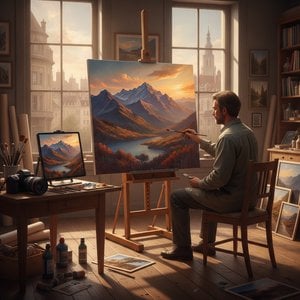
Discover the exquisite journey of transforming digital photography into bespoke oil masterpieces. Experience unparalleled craftsmanship with hand-painted reproductions that bridge modern memories and timeless fine art excellence.

 Переглянути в інтер'єрі
 Надіслати як листівку
 Поділитися
 Детальніше

 Завантажити
 Схожі експонати
 Рентгенівське дослідження
 Слайд-шоу


 Читати далі







 Скляний варіант доступний лише для розмірів до 110 см


