Переглянути в інтер'єрі Примірка в AR Перейти до друку Перейти до цифрових зображень Надіслати
Деталі Посібник Додати до улюблених Завантажити Схожі предмети колекціонування Рентгенівське дослідження Слайд-шоу Статистика переглядів

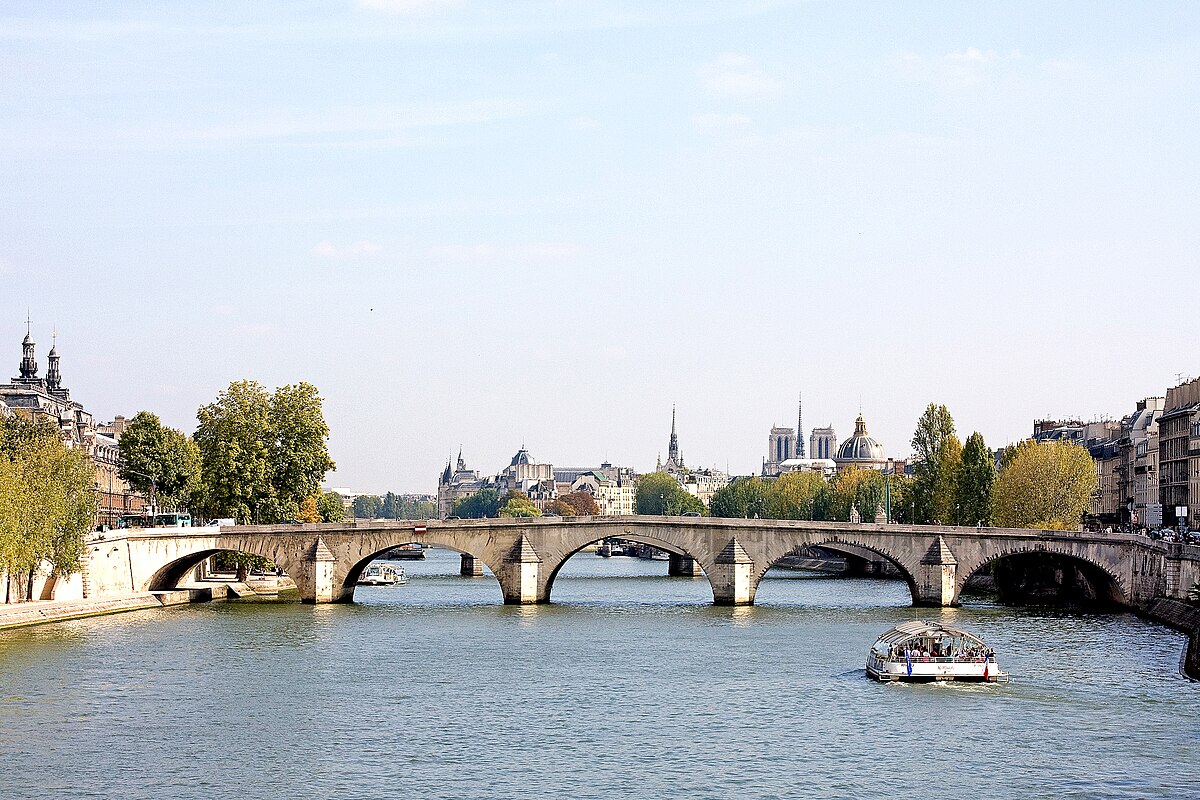
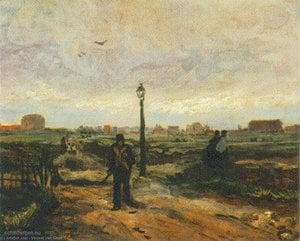
The Pont Royal in Paris

Admire "The Pont Royal in Paris" by Lesser Ury – a captivating oil painting reproduction of the iconic Parisian bridge. Experience timeless beauty and artistic detail.

Лео Урі – відомий німецький художник, що славиться своїми мальовничими нічними видами Берліна в стилі імпресіонізму. Його роботи передають атмосферу міста та є важливим свідченням епохи.

Олійная репродукція ручної роботи

Написана вручну олією на полотні у вашому розмірі та рамі, виготовлена на замовлення нашими художниками. ( Перейти до друку Перейти до цифрових зображень)

P118B $10
P118H $10
P118W $10
P438Z $10
P508JH $12
P508YH $12
P805H $10
P805Z $10
P919BZ $10
P919G $10
P919XJ $10
P959ZH $10
P968JZ $12
W106C $8
W218G $10
W218JH $8
W218Y $10
W307PJ $10
W316G $10
W316PJ $8
W316Y $10
W398PJ $8
W4111J $10
W500HY $15
W500JH $15
W692G $12
W849H $8
W940BG $15
W953PJ $8

Стандартний розмір
на замовлення
CM
INCH

Обирайте з наших стандартних розмірів, що відповідають оригінальним пропорціям твору мистецтва.

ширина
висота

Ви можете вказати власні розміри, щоб репродукція ідеально підійшла до конкретної рами або інтер'єру. Якщо вибраний вами розмір не відповідає пропорціям оригіналу, ми або обріжемо полотно, або доповнимо картину додатковими елементами, промальованими вручну. Цифровий макет буде надіслано вам на затвердження перед початком виробництва.
Зверніть увагу, що попередній перегляд на екрані не відображає фактичне обрізання або розширення зображення. Тільки макет точно покаже остаточну композицію.
Хоча ми можемо виготовити виріб у нестандартному розмірі, для збереження оригінальних пропорцій рекомендуємо обирати варіанти зі встановленого списку.

Приклади можливих змін: замінити обличчя на фото клієнта; додати домашню тварину (наприклад, замінити кота на собаку); додати приховане повідомлення на фоні; змінити ландшафт або елементи фону.
Після оформлення замовлення команда WahooArt.com зв'яжеться з клієнтом електронною поштою для отримання інструкцій та надасть попередній макет

Доставка по всьому світу () за 3–4 тижні замість стандартних 5 тижнів. (23 Вересень). Без жодних компромісів у якості.

why_choose_icon
Безкоштовна експрес-доставка по всьому світу
why_choose_icon
Високоякісне лляне полотно
why_choose_icon
Повне страхове покриття доставки
why_choose_icon
Гарантія повернення митних зборів
why_choose_icon
Гарантія точного відтворення кольорів
why_choose_icon
Політика повернення протягом 100 днів (лише у разі виявлення дефектів)
why_choose_icon
Гарантія повернення 100% коштів
why_choose_icon
Знижка на оптові замовлення

Загальна вартість

$ 272

reproduction

The Pont Royal in Paris

Техніка репродукції

Розмір репродукції

-

Загальна вартість

$ 272

Короткі факти

  • Year: 1928
  • Medium: Oil on Canvas
  • Influences:
    • Ury
    • Menzel
  • Title: The Pont Royal in Paris
  • Location: Private Collection
  • Movement: Impressionism
  • Notable elements or techniques: Urban landscape

Тест на знання мистецтва

У кожному запитанні лише одна правильна відповідь.

Запитання 1:
What is the primary subject depicted in "The Pont Royal in Paris"?
Запитання 2:
The painting "The Pont Royal in Paris" was created in which year?
Запитання 3:
The artist, Lesser Ury, was associated with which artistic movement?
Запитання 4:
What is a key characteristic of Lesser Ury's style, as evidenced by this painting?
Запитання 5:
The painting’s depiction of the Pont Royal reflects which aspect of Parisian life in the early 20th century?

A Glimpse of Parisian Life: Lesser Ury’s “The Pont Royal”

Lesser Ury's "The Pont Royal in Paris," painted in 1928, isn’t merely a depiction of a bridge; it’s a carefully constructed tableau of urban life, imbued with the melancholic beauty characteristic of his Impressionistic style. Born in Birnbaum, Poland, and deeply influenced by the Düsseldorf school, Ury possessed an extraordinary ability to capture fleeting moments – the shimmer of light on water, the muted tones of twilight, and the subtle shifts in mood within a bustling cityscape. This particular work transports us to a winter evening along the Seine, offering a poignant observation of Paris’s vibrant energy juxtaposed with a sense of quiet contemplation.

The Pont Royal in Paris by Lesser Ury

Impressionistic Techniques and a Masterful Palette

Ury’s technique is distinctly Impressionistic, prioritizing the subjective experience of light and color over precise representation. He employs loose brushstrokes, layering hues to create an atmospheric effect—a deliberate blurring of edges that evokes the ephemeral quality of the scene. Notice how he uses broken color – small dabs of complementary shades – to suggest reflected light on the water’s surface and the wet cobblestones of the street. The muted palette, dominated by blues, greys, and browns, contributes significantly to the painting's mood, conveying a sense of cool stillness amidst the activity below. The artist skillfully utilizes *plein air* techniques, working directly from observation, which is evident in the subtle variations of tone and color that capture the nuances of the Parisian winter.

A Bridge Between Worlds: Symbolism and Context

The Pont Royal itself holds a rich historical significance. Constructed in 1685, it has witnessed centuries of Parisian life – from royal processions to revolutionary fervor. Ury’s painting isn't simply a record of the bridge; it’s an exploration of its role as a connector—a physical and metaphorical link between the Right Bank and the Left, between past and present. The figures strolling along the sidewalk, the vehicles traversing the bridge, all contribute to this sense of movement and connection. The painting subtly reflects the changing social landscape of Paris during the interwar period, capturing a moment of relative calm before the storm of World War II.

Capturing Emotion: A Moment of Reflection

Beyond its technical mastery, “The Pont Royal in Paris” resonates with an underlying sense of melancholy and introspection. The subdued lighting, the blurred figures, and the quiet stillness of the scene evoke a feeling of detachment—a recognition of the transient nature of life and beauty. Ury’s ability to distill such complex emotions into a single image is a testament to his artistic vision. It's a painting that invites viewers to pause, observe, and contemplate the subtle poetry of everyday moments. Reproductions of this piece offer a beautiful way to bring a touch of Parisian charm and contemplative mood into any space.


Біографія митця

A Life Painted in Light: The World of Leo Lesser Ury

Leo Lesser Ury, a name perhaps less instantly recognizable than some of his Impressionist contemporaries, nevertheless occupies a vital and evocative space within the narrative of German painting. Born on November 7, 1861, in Birnbaum, Prussia – now Międzychód, Poland – Ury’s journey was one marked by both artistic triumph and personal hardship. His early life was shadowed by loss; the death of his father, a baker, in 1872 forced a relocation to Berlin with his mother. This displacement instilled within him, perhaps, a lifelong sensitivity to urban landscapes and the transient nature of modern existence. Initially apprenticed to a tradesman, Ury’s artistic calling proved too strong to ignore, leading him to the Kunstakademie Düsseldorf in 1879. It was the beginning of an extended period of European exploration – Brussels, Paris, Munich, Stuttgart, Karlsruhe – each city contributing to the evolving palette and perspective that would define his unique style. These travels weren’t merely geographical; they were immersive studies in light, atmosphere, and the burgeoning energy of modern life.

Embracing Impressionism and Capturing a City's Soul

Ury’s artistic development was deeply intertwined with the currents of late 19th-century art. While initially met with resistance – his first exhibition in 1889 eliciting a hostile response – he found a champion in the esteemed Adolph Menzel, whose support opened doors within the Berlin Academy. This recognition proved pivotal, allowing Ury to further refine his technique and vision. His embrace of Impressionism wasn’t merely stylistic; it was a means of capturing the fleeting moments of modern urban life. He joined the Munich Secession in 1893, aligning himself with a group of artists who challenged academic conventions and sought new modes of expression. Ury's canvases began to shimmer with lively brushstrokes, impasto application creating texture and depth, and an acute sensitivity to light’s transformative power. His primary subjects crystallized around this time: landscapes imbued with atmosphere, intimate interior settings, but most notably, the vibrant, often nocturnal scenes of city life. He wasn’t simply *depicting* Berlin; he was capturing its very essence – the glow of gas lamps on rain-slicked streets, the bustling energy of cafes, the quiet solitude of shadowed corners. He meticulously studied these urban spaces, utilizing postcards and photographs sent to him from Paris as visual aids, striving for a realism that nonetheless retained an element of subjective interpretation.

A Distinctive Style: Pastel and Nocturne

Ury’s artistic signature is immediately recognizable through his masterful use of pastel. He possessed an extraordinary ability to capture the subtle nuances of light and shadow, particularly in nocturnal scenes – what he often referred to as “nocturnes.” These paintings are characterized by a delicate balance between darkness and illumination, creating a sense of mystery and intimacy. The application of pastel was deliberate; Ury believed it allowed for unparalleled control over color and texture, enabling him to achieve the atmospheric effects he sought. His palette leaned towards muted tones – blues, grays, purples – often punctuated by flashes of vibrant color that drew the eye and heightened the emotional impact of the scene. Beyond pastels, Ury also worked in oil paints, though his nocturnal landscapes are most frequently associated with this medium. His compositions were typically framed to emphasize the verticality of buildings, creating a sense of scale and grandeur within the urban environment.

Recognition and a Complex Legacy

The early years of the 20th century saw Ury return to Berlin, where he quickly became a prominent figure in the city’s art scene. His participation in exhibitions with the Berlin Secession from 1915 onwards steadily increased his recognition. A landmark exhibition in 1922, showcasing 150 of his paintings and pastels, cemented his reputation; the mayor of Berlin hailed him as “the artistic glorifier of the capital.” This period marked a high point in Ury’s career, fueled by both critical acclaim and commercial success. He became particularly renowned for his mastery of pastel, utilizing the medium to create works of exceptional delicacy and atmospheric depth. However, this success was shadowed by a complex aspect of his practice. To meet growing demand, Ury began repeating compositions, producing numerous copies – some of lesser quality – that unfortunately diluted his artistic standing in the eyes of some critics. This pragmatic approach, while financially beneficial, ultimately contributed to a somewhat ambivalent assessment of his oeuvre.

A Lasting Impression: Historical Significance and Enduring Appeal

Leo Lesser Ury’s historical significance extends beyond his technical skill and aesthetic sensibilities. He is remembered as a keen observer and evocative portrayer of modern urban life, particularly the nocturnal landscapes of Berlin that resonated with audiences seeking to understand their rapidly changing world. His work offers a glimpse into a specific time and place – a city on the cusp of modernity, grappling with industrialization, social change, and the anxieties of a new era. Furthermore, as a Jewish artist navigating German society, Ury’s life and work reflect aspects of Jewish cultural identity and experience within a complex socio-political landscape. His paintings, while not overtly political, subtly convey a sense of belonging and alienation, offering a unique perspective on the challenges faced by Jewish communities in Germany during this period. His legacy is a testament to the power of art to capture not just what we see, but how it feels to be alive in a particular moment. Ury’s paintings continue to resonate with viewers today, inviting us to contemplate the beauty and complexity of urban life through his evocative lens.

lesser ury

lesser ury

1861 - 1931 , Польща

Довідкова інформація

  • Artistic Movement Or Style: Імпресіонізм
  • Artists Or Movements Influenced By This Artist: ['Пізнi художники']
  • Artists Who Influenced This Artist: ['АдОльф Менезель']
  • Date Of Birth: 7 квiтня 1861
  • Date Of Death: 18 квiтеня 1931
  • Full Name: Leo Lesser Ury
  • Nationality: Німецький
  • Notable Artworks:
    • «Молитва єврея»
    • На озері Гарда
    • Заборiжжя
  • Place Of Birth: Бірнбаум, Польща