БЕЗКОШТОВНА КОНСУЛЬТАЦІЯ З МИСТЕЦТВА

x
Замовити друк Замовити друкЗамовити репродукцію Замовити репродукцію НадіслатиНадіслати
ДеталіДеталі Додати до улюблених Додати до улюблених ЗавантажитиЗавантажити Схожі виробиСхожі вироби Рентгенівське дослідженняРентгенівське дослідження Слайд-шоуСлайд-шоу

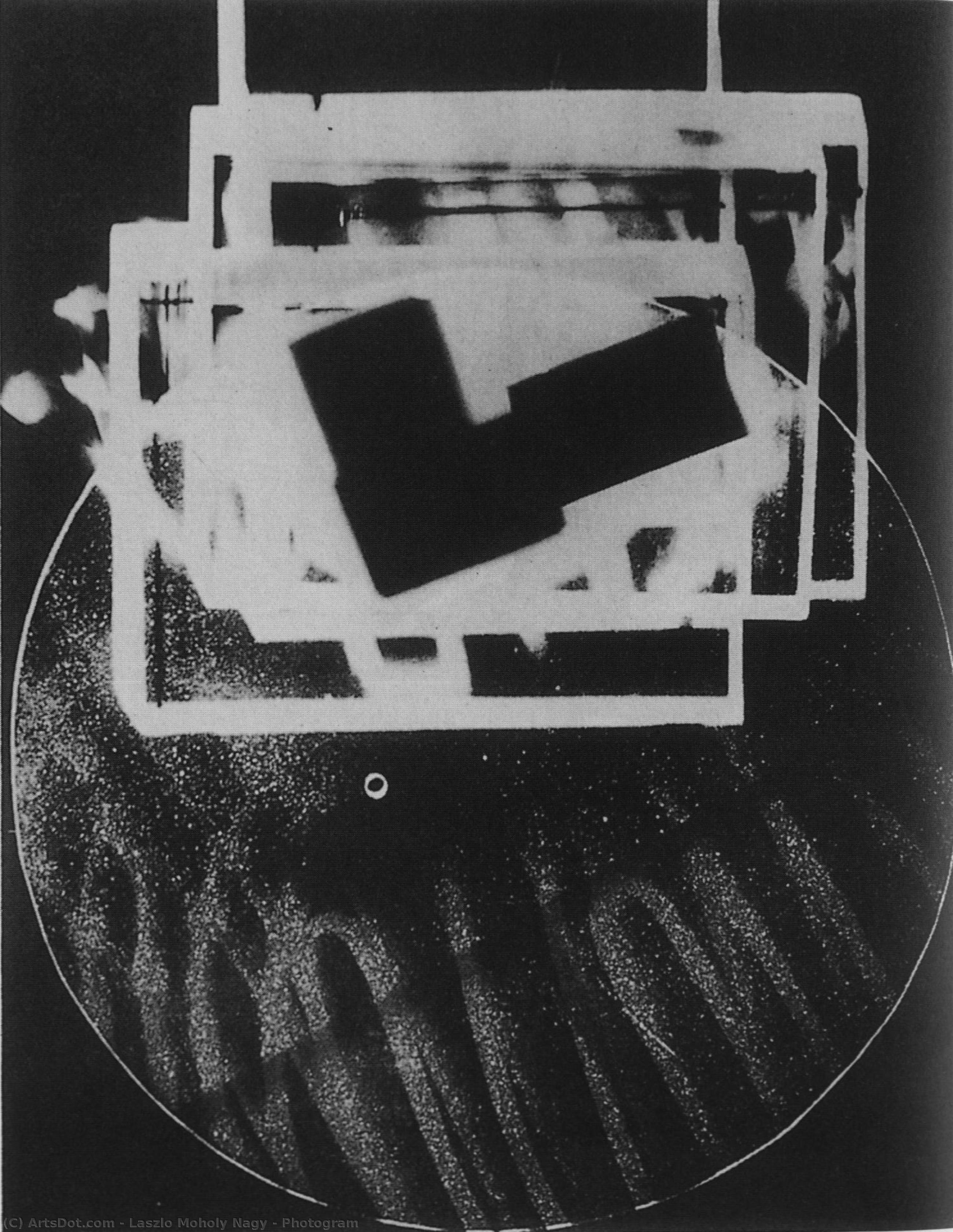
Photogram

Ласло Мохоль-Нейґі — видатний художник, фотограф та дизайнер, піонер Баухаусу та конструктивізму. Його новаторські праці в галузі мистецтва, технологій та дизайну вплинули на світову культуру.

Придбайте цифрову копію високої роздільної здатності з покращеною якістю, що значно перевершує онлайн-перегляд.

Кожен файл ретельно підготовлений нашими фахівцями за допомогою сучасних інструментів та професійної ручної ретуші. Ми гарантуємо виняткову чіткість, точну передачу кольору та високу деталізацію кожного зображення.

Фінальний файл надсилається електронною поштою протягом 72 годин і оптимізований для негайного використання у професійних виданнях та друкованих матеріалах. Таку якість обирають провідні дизайнерські студії, видавництва та галереї.

Цифрове зображення

Завантажте файл високої роздільної здатності для особистого перегляду, друку та творчих проєктів.

Підсумкова ціна

$9.99

Включено в кожне замовлення цифрових зображень

Експертна цифрова доставка, гарантовано

Обираючи WahooArt.com, ви отримуєте не просто зображення — ви отримуєте професійно вдосконалений цифровий витвір мистецтва, створений з надзвичайною точністю та підкріплений гарантією задоволення. Ось усе, що автоматично додається до вашого замовлення:

shipping_icon
Швидка доставка на email

Ваш цифровий файл із зображенням високої роздільної здатності буде надісланий вам електронною поштою протягом 72 годин після оформлення замовлення — він буде готовий до негайного використання.

canvas_icon
Цифровий файл із покращенням ШІ

Ваш витвір мистецтва професійно оптимізовано за допомогою передових інструментів штучного інтелекту та ручної корекції, що забезпечує максимальну деталізацію, чіткість і точність передачі кольорів.

insurance_icon
Безкоштовне повторне надання послуг протягом усього життя

Випадково видалили або втратили файл? Не хвилюйтеся — ми надішлемо його вам повторно в будь-який час безкоштовно.

tax_icon
Без митних зборів — завжди

Насолоджуйтесь вашим витвором мистецтва миттєво без жодних мит, зборів або плати за доставку — цифрові завантаження завжди не оподатковуються.

color_icon
Гарантія точності кольорів

Ми гарантуємо, що ваше цифрове зображення максимально точно відтворює оригінальні кольори завдяки використанню професійних інструментів та систем управління кольором.

return_icon
Гарантія задоволення протягом 60 днів

Якщо ви не задоволені придбаним цифровим зображенням, ми відкоригуємо його або повернемо 100% вартості протягом 60 днів — без жодних запитань.

guarantee_icon
Гарантія повернення 100% коштів

Не задоволені покупкою? Отримайте повне повернення коштів протягом 60 днів після отримання цифрового файлу — без жодних запитань.

discount_icon
Знижки на оптові замовлення

Купуйте 3 зображення — заощаджуйте 10% — Купуйте 5 — заощаджуйте 15% — Купуйте 10+ — заощаджуйте 20%. Чудово підходить для творчих проєктів, галерей та агентств.

Схожі витвори мистецтва


Біографія митця

László Moholy-Nagy: A Pioneer of Modern Art and the Bauhaus

László Moholy-Nagy (1895–1946) was a Hungarian painter, photographer, sculptor, and designer who irrevocably altered the trajectory of modern art. He wasn’t merely an artist; he was a visionary thinker deeply invested in exploring the intersection between art and technology—a conviction that would define his entire oeuvre and solidify his place as one of the most influential figures of the Bauhaus movement. Born László Weisz to a Jewish family in Bacsborsód, Hungary, he later adopted Moholy-Nagy as his surname, reflecting his desire for greater artistic freedom and independence. His cousin was Sir Georg Solti, the celebrated conductor—a connection that speaks volumes about the cultural milieu shaping his formative years. Early Life and Influences Moholy-Nagy’s early education focused on law in Budapest, but his artistic inclinations quickly superseded academic pursuits. He found inspiration in Hungarian Fauvist painter Róbert Berény's bold use of color and expressive brushstrokes—a stylistic approach that foreshadowed the modernist tendencies he would champion throughout his life. His involvement with the Hungarian Soviet Republic offered him a brief glimpse into revolutionary fervor, though it also exposed him to the complexities of political ideologies. Crucially, Moholy-Nagy’s artistic sensibilities were profoundly molded by Constructivism and Suprematism—movements originating in Russia that prioritized geometric abstraction and utilized industrial materials like steel and glass. Artists like Aleksandr Rodchenko and Kazimir Malevich served as intellectual beacons, demonstrating how art could engage with the burgeoning forces of industrialization. The Bauhaus Years and "New Vision" In 1923, Moholy-Nagy joined the Bauhaus school in Weimar—a crucible of artistic experimentation and pedagogical innovation—where he collaborated closely with Josef Albers and Johannes Itten. Initially tasked with teaching the preliminary course, he swiftly ascended to prominence when Itten resigned, becoming head of the metal workshop. This pivotal role cemented his commitment to Constructivist principles, pushing the Bauhaus curriculum toward a more pragmatic exploration of design and fabrication. Moholy-Nagy’s insistence on “New Vision”—a concept articulated in his seminal essay—challenged conventional notions of perception and representation. He argued that photography possessed the capacity to reveal hidden realities inaccessible to human senses, prompting artists to reconsider their role as interpreters of experience. This philosophical underpinning fueled his groundbreaking photographic experiments, notably his pioneering use of photograms – creating images by placing objects directly onto light-sensitive paper without resorting to a camera lens—a technique that anticipated developments in kinetic art and explored the transformative potential of chance and materiality. Major Achievements and Innovations Moholy-Nagy’s artistic output extended far beyond Bauhaus pedagogy; he achieved considerable renown as sculptor, designer, filmmaker, and stage set artist. His monumental sculpture “Lichtrequisit einer elektrischen Bühne” (“Light Space Modulator”), completed in 1930, stands as a testament to his conviction that art should engage actively with technological advancements. This kinetic masterpiece employed moving parts and projected light onto surrounding surfaces—a radical departure from traditional sculptural forms—demonstrating Moholy-Nagy’s unwavering belief in the fusion of art and industry. Furthermore, he established the New Bauhaus in Chicago in 1937, continuing his mission to disseminate Constructivist ideas internationally. His photographic works explored abstraction, texture, and movement with remarkable sophistication, utilizing techniques like photomontage and experimental lighting to challenge conventional aesthetic standards. Moholy-Nagy’s legacy resides not only in his artistic creations but also in his influence on generations of artists who embraced the transformative power of technology—a conviction that continues to resonate within contemporary art practice today. Historical Significance László Moholy-Nagy's contribution to modern art transcends mere stylistic innovation; he fundamentally reshaped our understanding of creativity and its relationship to the external world. His unwavering advocacy for “New Vision” anticipated many developments in visual culture—from experimental filmmaking to digital media—solidifying his position as a prophet of the future. As a teacher at Bauhaus and Chicago, he instilled in countless students a belief that art could serve as a catalyst for social change—a conviction that aligns with the humanist ideals underpinning the Bauhaus ethos. Moholy-Nagy’s artistic legacy endures as an emblem of intellectual courage and artistic daring—a reminder that true creativity demands a willingness to embrace new perspectives and challenge established conventions.
Ласло Мохоль-Ней

Ласло Мохоль-Ней

1895 - 1946 , Угорра́щина

Короткі факти

  • Artistic Movement Or Style: Конструктивизм, Баухаус
  • Artists Or Movements Influenced By This Artist: ['Баухаус']
  • Artists Who Influenced This Artist: ['Роберт Берень']
  • Date Of Birth: 1895
  • Full Name: László Moholy-Nagy
  • Nationality: Угорський
  • Notable Artworks:
    • Невелика композиція
    • Квітка
    • Масова психоз
  • Place Of Birth: Bacs-Kajala, Угорщина