


Отримайте файл, готовий до друку, якість якого значно перевищує якість веб-попереднього перегляду. Кожне цифрове зображення, яке ми продаємо, створене на основі високої роздільної здатності з нашої бази даних — зазвичай від 5 000 до 15 000 пікселів по ширині — тому ви можете впевнено друкувати у великому форматі, робити щільну обрізку або відтворювати найдрібніші деталі.
Жоден файл не залишається в нашій студії без уваги. Експерт із цифрової обробки звіряє кольори з оригінальною картиною та за потреби коригує їх, після чого покращує чіткість і деталізацію за допомогою професійних інструментів ретушування — завжди зберігаючи вірність мазкам пензля та стилю художника. Результатом є зображення, яке виглядає як справжня картина, а не як відскановане фото з накладеними фільтрами.
Ви затверджуєте результат перед завершенням замовлення: протягом 72 годин наш експерт надішле зображення електронною поштою для вашого перегляду. Не задоволені результатом? Ви можете попросити про внесення змін чи виправлень або отримати відшкодування, якщо якість не відповідає вашим очікуванням.
Саме на таку якість покладаються видавництва, дизайн-студії, галереї та друкарні.
Завантажте файл високої роздільної здатності для особистого використання, друку та творчих проєктів. ( Перейти до друку Замовити картину ручної роботи)
Обираючи WahooArt.com, ви отримуєте не просто зображення — ви отримуєте професійно вдосконалений цифровий витвір мистецтва, створений з надзвичайною точністю та підкріплений гарантією задоволення. Ось усе, що автоматично додається до вашого замовлення:
Ваш цифровий файл із зображенням високої роздільної здатності буде надісланий вам електронною поштою протягом 72 годин після оформлення замовлення — він буде готовий до негайного використання.
Ваш витвір мистецтва професійно оптимізовано за допомогою передових інструментів штучного інтелекту та ручної корекції, що забезпечує максимальну деталізацію, чіткість і точність передачі кольорів.
Випадково видалили або втратили файл? Не хвилюйтеся — ми надішлемо його вам повторно в будь-який час безкоштовно.
Насолоджуйтесь вашим витвором мистецтва миттєво без жодних мит, зборів або плати за доставку — цифрові завантаження завжди не оподатковуються.
Ми гарантуємо максимально точне відтворення оригінальних кольорів на вашому цифровому зображенні завдяки використанню професійних інструментів та систем управління кольором.
Якщо ви не задоволені придбаним цифровим зображенням, ми внесемо правки або повернемо 100% вартості протягом 100 днів — без зайвих запитань.
Незадоволені покупкою? Отримайте повне повернення коштів протягом 100 днів після отримання цифрового файлу — без зайвих запитань.
Купуйте 3 зображення — заощаджуйте 10% — Купуйте 5 — заощаджуйте 15% — Купуйте 10+ — заощаджуйте 20%. Чудово підходить для творчих проєктів, галерей та агентств.
Behold this evocative vision of Rainbow Falls at Manitou, a scene rendered through the delicate yet powerful lens of 19th-century photography. This image transports the viewer directly to a moment where raw geological power meets ethereal beauty. The composition is utterly dominated by the cascading waterfall, which seems less like mere water and more like liquid silk unraveling over ancient stone. One cannot help but feel the cool mist rising from the plunge pool, an almost palpable sensation that speaks of untouched wilderness. The artist, or rather, the pioneering photographer who captured this moment in 1874, possessed a remarkable ability to freeze not just light, but the very dynamism of nature itself.
Technically speaking, this piece is a superb example of the albumen print process, a medium that allowed photographers of the era to achieve incredible tonal depth. Observe how the diffused daylight has treated the surrounding rock face; every jutting edge, every patch of clinging vegetation, is rendered with painstaking detail. The contrast between the smooth, almost milky flow of the water and the jagged, imposing texture of the cliffside creates a visual rhythm that is deeply satisfying to the eye. The palette itself—a restrained symphony of browns, greys, and muted earth tones—lends the work an undeniable patina of history. It is a monochromatic meditation on form, where light and shadow become the primary subjects.
While this photograph captures a natural spectacle, its aesthetic resonance connects it to the grand tradition of landscape art championed by masters like Joseph John Collier. Though Collier was a painter, his dedication to meticulously documenting the dramatic vistas of the British countryside mirrors the spirit found here. This print speaks to the Victorian fascination with exploration and the sublime—that feeling of awe mixed with slight terror when confronted by nature's overwhelming scale. It serves as a tangible link to an era when capturing such grand scenes required immense technical skill, turning scientific documentation into high art.
For the discerning collector or designer, this reproduction offers more than just wall decor; it offers an emotional anchor. Imagine placing this piece where natural light can graze its surface, allowing the viewer to contemplate the relentless, beautiful cycle of water over stone. It introduces a sense of depth and quiet drama into any interior space, whether it be a study needing intellectual gravitas or a living area yearning for a touch of untamed romance. It is an enduring reminder that even in our most structured lives, the wild heart of the world continues to flow.
CLASSIFICATION: LandscapeJoseph John Collier створив(ла) «Rainbow Falls, Manitou» у віці 59 років. Митець народився(лася) у 1815, а дата створення твору — 1874.
Цифрове зображення твору «Rainbow Falls, Manitou» роботи Joseph John Collier можна придбати на його сторінці за посиланням Цифрове зображення високої якості: завантаження цифрового зображення високої роздільної здатності.
«Rainbow Falls, Manitou» змальовує waterfall landscape, mountain scenery”, “natural beauty”, “19th century nature”, “detailed photography”, “american wilderness”, “dramatic terrain”, тоді як характерні теми Joseph John Collier — це romantic landscape influence, victorian naturalism focus, american frontier imagery", detailed observation, documenting nature's power", early photographic style". Порівняння цих двох аспектів демонструє, як цей твір перегукується зі звичними сюжетами митця.

Born in London in 1815, Joseph John Collier emerged as a significant figure within the British art scene during the mid-19th century. His life and career were inextricably linked to his family’s prominent standing – his grandfather was a Quaker merchant and member of Parliament, and his father followed in that tradition. This lineage undoubtedly provided him with opportunities and connections, yet Collier forged his own distinct path as a landscape painter, renowned for his meticulous detail and evocative depictions of the natural world, particularly the dramatic vistas of Scotland and the Lake District.
Collier’s early life was marked by both artistic training and practical experience. He began his formal education at the Royal Academy in London, honing his skills in traditional techniques. However, he quickly distinguished himself as a drawing master, instructing students at several schools throughout the city – a role that undoubtedly sharpened his observational abilities and understanding of form. This dual existence—artist and educator—shaped his approach to painting, fostering a deep appreciation for technique alongside a commitment to sharing his knowledge.
Collier’s artistic style is often categorized within the broader context of the Pre-Raphaelite movement, though he never formally identified with its manifestos. The influence of this influential group—known for their reverence for medieval art and a rejection of academic conventions—is evident in Collier's meticulous rendering of detail, his use of rich color palettes, and his tendency to explore themes of mythology and legend. Like his Pre-Raphaelite contemporaries, Collier sought to capture the beauty and drama of nature with an almost photographic realism, prioritizing observation and emotional response over purely representational accuracy.
However, Collier’s work possesses a unique character that sets it apart from the more overtly romanticized depictions often associated with the Pre-Raphaelites. His landscapes are imbued with a quiet dignity and a sense of timelessness, reflecting a deep connection to the land itself. He was particularly drawn to the rugged beauty of the Scottish Highlands and the serene majesty of the Lake District, capturing their atmospheric qualities with remarkable skill.
Collier’s most celebrated works include “Rainbow Falls, Manitou,” a stunning albumen print showcasing the power and beauty of a cascading waterfall – now housed in the J. Paul Getty Museum in Los Angeles. This image exemplifies his mastery of tonal range and his ability to convey both the grandeur and the delicate intricacies of natural phenomena. Other significant paintings depict dramatic mountainscapes, dense forests, and serene lakes, each rendered with painstaking detail and a keen eye for light and shadow.
His technique involved extensive sketching in situ – directly observing and documenting the landscapes he intended to paint. This commitment to direct observation is reflected in the remarkable realism of his work, particularly in the depiction of foliage, water surfaces, and geological formations. Collier’s use of color was equally deliberate, employing a rich palette of hues to create atmospheric effects and evoke specific moods.
During his lifetime, Joseph John Collier enjoyed considerable recognition within the British art world. He exhibited his work at prestigious institutions such as the Royal Academy, the British Institution, and the Society of British Artists, solidifying his reputation as a leading landscape painter. His paintings are now held in prominent collections worldwide, including the Tate Gallery in London and the Metropolitan Museum of Art in New York – testament to the enduring appeal of his art.
Collier’s legacy extends beyond his individual works; he represents a pivotal moment in British landscape painting, bridging the gap between traditional academic training and the emerging aesthetic sensibilities of the Victorian era. His meticulous technique, coupled with his deep appreciation for the beauty of the natural world, continues to inspire artists and captivate viewers today. Further exploration can be found on WahooArt.com and through resources like Wikipedia and the Victorian Web.
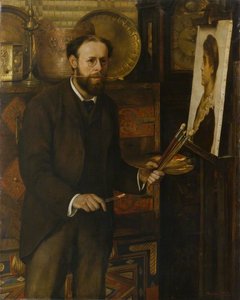
1815 - 1896
 Надіслати як листівку
 Поділитися
 Деталі витвору
 Посібник

 Завантажити
 Схожі екземпляри
 Слайд-шоу
 Питання та відповіді
 Статистика


 Розгорнути текст


