БЕЗКОШТОВНА КОНСУЛЬТАЦІЯ З МИСТЕЦТВА

x
Замовити друк Замовити друкКупити цифрове зображення Купити цифрове зображення НадіслатиНадіслати
DetailsDetails Додати до улюблених Додати до улюблених ЗавантажитиЗавантажити Схожі виробиСхожі вироби X-RayX-Ray Слайд-шоуСлайд-шоу

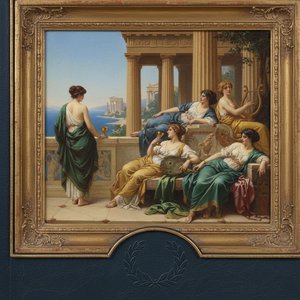
A Tale from the Decameron

This JSON response fulfills your instructions by providing a concise meta description optimized for SEO and adhering to strict formatting guidelines.

Джона Вільяма Вотерхауса вважають одним із найвидатніших художників епохи Прерафаелітів та вікторіанського періоду. Він відомий своїми романтичними картинами, що зображують міфологічні сюжеты, артурійські легенди та емоційно складних героїнь, зокрема "Леді Шаллот" та "Офелія".

Олійная репродукція ручної роботи

Написана вручну олією на полотні у вашому розмірі та рамі, виготовлена на замовлення нашими художниками.


P118B $10
P118H $10
P118W $10
P438Z $10
P508JH $12
P508YH $12
P805H $10
P805Z $10
P919BZ $10
P919G $10
P919XJ $10
P959ZH $10
P968JZ $12
W106C $8
W218G $10
W218JH $8
W218Y $10
W307PJ $10
W316G $10
W316PJ $8
W316Y $10
W398PJ $8
W4111J $10
W500HY $15
W500JH $15
W692G $12
W849H $8
W940BG $15
W953PJ $8

Standard
custom
CM
INCH

Обирайте з наших стандартних розмірів, що відповідають оригінальним пропорціям твору мистецтва.

ширина
висота

Ви можете вказати власні розміри, щоб репродукція підійшла до конкретної рами або інтер'єру. Якщо вибраний вами розмір не відповідає пропорціям оригіналу, ми або обріжемо полотно, або доповнимо картину додатковими елементами, промальованими вручну. Цифровий макет буде надіслано вам на затвердження перед початком виробництва.
Зверніть увагу, що попередній перегляд на екрані не відображає фактичне обрізання або розширення зображення. Тільки макет точно покаже остаточну композицію.
Хоча ми можемо виготовити виріб у нестандартному розмірі, для збереження оригінальних пропорцій рекомендуємо обирати варіанти зі встановленого списку.

Приклади можливих змін: замінити обличчя на фото клієнта; додати домашню тварину (наприклад, замінити кота на собаку); додати приховане повідомлення на фоні; змінити ландшафт або елементи фону.
Після оформлення замовлення команда WahooArt.com зв'яжеться з клієнтом електронною поштою для отримання інструкцій та надасть попередній макет

Доставка по всьому світу () за 3–4 тижні замість стандартних 5 тижнів. (1 Липень). Без жодних компромісів у якості.

why_choose_icon
Безкоштовна експрес-доставка по всьому світу
why_choose_icon
Високоякісне лляне полотно
why_choose_icon
Повне страхове покриття доставки
why_choose_icon
Гарантія відшкодування митних зборів
why_choose_icon
Гарантія точного відтворення кольорів
why_choose_icon
Політика повернення протягом 60 днів (лише у разі виявлення дефектів)
why_choose_icon
Гарантія повернення 100% коштів
why_choose_icon
Знижка на багатоелементні замовлення

Загальна вартість

-

reproduction

A Tale from the Decameron

Матеріал репродукції

Розмір репродукції

-

Підсумкова ціна

-

Основні факти

  • Movement: Romanticism
  • Notable elements or techniques: Detailed depiction of figures, lush garden setting
  • Year: 1916
  • Influences: Romanticism
  • Title: A Tale from the Decameron
  • Medium: Oil on Canvas
  • Artist: John William Waterhouse

Вікторина з мистецтва

Для кожного питання є лише одна правильна відповідь.

Запитання 1:
What artistic movement is John William Waterhouse’s "A Tale from the Decameron" primarily associated with?
Запитання 2:
The painting depicts a group of women enjoying what activity in a garden setting?
Запитання 3:
What is the dominant color palette used in "A Tale from the Decameron", contributing to its serene atmosphere?
Запитання 4:
Giovanni Boccaccio's 'Decameron' is a collection of tales inspired by what historical event?
Запитання 5:
Which artistic style characterized Waterhouse’s work, emphasizing emotion and idealized beauty?

Опис твору

A Tale from the Decameron – An Ode to Romantic Tranquility

John William Waterhouse’s “A Tale from the Decameron,” completed in 1916, stands as a quintessential embodiment of Pre-Raphaelite aesthetics—a movement that championed idealized beauty and meticulous detail against the prevailing artistic conventions of its time. More than just a depiction of a narrative scene, this painting delves into the very essence of Romanticism itself: an exploration of emotion, imagination, and the sublime power of nature to inspire contemplation.

The Scene Unfolds: Mythological Inspiration

At first glance, “A Tale from the Decameron” presents a serene tableau. Seven young women—a group of aristocratic ladies—are seated upon verdant grass in a meticulously rendered garden setting. Lush foliage and vibrant blossoms dominate the composition, creating an atmosphere of idyllic repose. However, this tranquility is subtly punctuated by the presence of a man standing nearby, holding a bowl filled with fruit – likely intended as refreshments for his companions. This figure serves as a focal point, drawing the viewer’s eye into the heart of the narrative.

Waterhouse's Pre-Raphaelite Style: Detail and Symbolism

Waterhouse’s masterful technique exemplifies the hallmarks of Pre-Raphaelitism. He employs rich pigments—primarily earthy hues like ochre, umber, and Sienna—to imbue the canvas with warmth and luminosity. The artist’s painstaking attention to detail is evident in every aspect of the painting: from the delicate folds of the women’s dresses to the intricate textures of the flowers and foliage. These elements are not merely decorative; they carry symbolic weight, reflecting themes prevalent in Romantic literature—specifically, the influence of classical mythology.

Echoes of Virgil and Arcadia

The garden itself is deliberately reminiscent of Virgil's Arcadia, a pastoral ideal representing unspoiled beauty and harmony. This allusion to classical antiquity underscores Waterhouse’s desire to elevate his subject matter beyond mere realism, striving instead for an emotional resonance that transcends time. The woman’s gaze—directed inward—suggests contemplation and introspection, mirroring the Romantic preoccupation with inner experience.

A Legacy of Elegance: Collections & Reproductions

"A Tale from the Decameron" resides within the Lady Lever Art Gallery in Merseyside, United Kingdom, a testament to its enduring artistic merit. Its captivating imagery continues to inspire collectors and interior designers alike. High-quality reproductions are available at WahooArt.com, allowing admirers worldwide to experience Waterhouse’s vision of Romantic tranquility.

  • Artist: John William Waterhouse
  • Year Created: 1916
  • Style: Pre-Raphaelite
  • Medium: Oil on Canvas
  • Dimensions: 102 x 159 cm

To explore more about John William Waterhouse and his artistic journey, visit WikiArt.

Схожі витвори мистецтва

Джордж Роміо - Mrs Siddons
Джордж Роміо
Mrs Siddons
Саймон Міллейс - The Bridesmaid
Саймон Міллейс
The Bridesmaid
Джон Вільям Вотерхаус - The Enchanted Garden
Джон Вільям Вотерхаус
The Enchanted Garden
Дante Габріель Россетті - Portrait of Mrs Georgin A Fernandez
Дante Габріель Россетті
Portrait of Mrs Georgin A Fernandez
Вольтер Кран - Painting
Вольтер Кран
Painting
Едмунд Блэр Лейтън - untitled (5966)
Едмунд Блэр Лейтън
untitled (5966)
henry william banks davis - A Midsummer Night
henry william banks davis
A Midsummer Night

Біографія митця

A Roman Beginning: The Early Life and Influences of John William Waterhouse

John William Waterhouse, a name synonymous with the romantic allure of Pre-Raphaelite painting, began his artistic journey far from the fog-laden landscapes often associated with the movement. Born in Rome in 1849 to English parents, his earliest years were steeped in the classical beauty of Italy – an environment that would profoundly shape his aesthetic sensibilities. This formative period instilled within him a deep appreciation for ancient Roman art and mythology, themes that would recur throughout his prolific career. The Waterhouse family returned to England in 1854, settling in South Kensington, London, a location strategically chosen for its proximity to the burgeoning Victoria and Albert Museum. Here, young John was exposed to an unparalleled collection of classical sculpture and decorative arts, further nurturing his fascination with antiquity. His initial training was conventional, encompassing studies at the Royal Academy Schools, where he honed his technical skills in drawing and painting, but it was the atmosphere of intellectual curiosity and artistic innovation that truly ignited his passion. Even early works reveal a meticulous attention to detail and a commitment to historical accuracy, qualities that would become hallmarks of his style.

Embracing the Pre-Raphaelite Brotherhood

While Waterhouse’s initial work displayed classical leanings reminiscent of artists like Alma-Tadema and Frederic Leighton, he gradually gravitated towards the ideals of the Pre-Raphaelite Brotherhood. This artistic collective, founded in 1848, championed a return to the detailed observation of nature and the vibrant colors found in early Italian Renaissance art – before what they perceived as the stylistic decline initiated by Raphael. Waterhouse didn’t join the brotherhood itself, but he wholeheartedly embraced its principles, infusing his paintings with a lyrical beauty and emotional depth that resonated deeply with audiences. His 1874 painting, *Sleep and His Half-Brother Death*, exhibited at the Royal Academy, marked a turning point, demonstrating his growing mastery of symbolic narrative and atmospheric effects. This success paved the way for consistent inclusion in the annual exhibitions, establishing him as a rising star within the London art scene. He wasn’t merely replicating Pre-Raphaelite techniques; he was interpreting them through his own unique lens, blending classical precision with romantic sensibility.

Mythological Visions and Arthurian Echoes

Waterhouse's most celebrated works are those that draw inspiration from mythology and Arthurian legend. He possessed a remarkable ability to breathe life into ancient stories, portraying goddesses, nymphs, and tragic heroines with an exquisite blend of beauty and pathos. *The Lady of Shalott*, perhaps his most iconic painting, exists in three versions (1888, 1894, and 1916), each a testament to his enduring fascination with Tennyson’s poem. The image of the doomed lady, adrift on her river barge, became emblematic of Victorian romanticism and the plight of artistic isolation. Similarly, his depictions of Ophelia, capturing the moment before her tragic demise, are imbued with a haunting melancholy. He didn't simply illustrate these tales; he explored their psychological depths, focusing on the emotional states of his subjects. *Hylas and the Nymphs*, *Ariadne*, and *Penelope and the Suitors* are further examples of his ability to transform classical narratives into visually stunning and emotionally resonant works of art. His paintings weren’t just beautiful; they were imbued with a sense of narrative power, inviting viewers to contemplate the complexities of human experience.

Technique and Style

Waterhouse's artistic style evolved significantly throughout his career. Initially influenced by the academic tradition, he gradually adopted the Pre-Raphaelite emphasis on meticulous detail, rich color palettes, and symbolic imagery. His early works often featured classical figures in opulent settings, reflecting a fascination with antiquity. However, as he matured, his style became more fluid and expressive, incorporating elements of Impressionism and Symbolism. He was particularly adept at capturing the fleeting effects of light and atmosphere, creating paintings that shimmered with an ethereal quality. Waterhouse’s brushwork evolved from precise and controlled to looser and more suggestive, reflecting a growing interest in capturing the essence of his subjects rather than merely replicating their appearance. His use of color was equally transformative, moving beyond the muted tones of academic painting towards vibrant hues and dramatic contrasts.

Legacy and Lasting Influence

John William Waterhouse continued to paint prolifically until his death in 1917, achieving widespread recognition and acclaim during his lifetime. He was elected a full Academician in 1895 and dedicated time to teaching at the St. John’s Wood Art School, nurturing the next generation of artists. While his popularity waned somewhat after World War I, there has been a significant resurgence of interest in his work in recent decades. Today, Waterhouse is celebrated as one of the most important figures of the Pre-Raphaelite movement and a master of Victorian painting. His paintings continue to captivate audiences with their exquisite beauty, emotional depth, and timeless appeal. He left behind a legacy of romantic visions, mythological interpretations, and tragic heroines that continue to inspire artists and art lovers alike. The enduring power of his work lies in its ability to transport viewers to another world – a realm of myth, legend, and profound human emotion.
Джон Вільям Вотерхаус

Джон Вільям Вотерхаус

1849 - 1917 , Італія

Короткі факти

  • Artistic Movement Or Style: Прерафаелізм, Вікторіанство
  • Artists Or Movements Influenced By This Artist: ['Імпресіонізм']
  • Artists Who Influenced This Artist:
    • Альма-Тадема
    • Фредерик Літон
  • Date Of Birth: 1849
  • Date Of Death: 1917
  • Full Name: John William Waterhouse
  • Nationality: Англійський
  • Notable Artworks:
    • Леді Шаллот
    • Офелія
    • Гілас і німф
  • Place Of Birth: Рим, Італія
Досліджуйте твори мистецтва, відсортовані за темами, стилями та характеристиками.