Переглянути в інтер'єрі Примірка в AR Перейти до друку Купити картину ручної роботи Надіслати
Деталі Посібник Додати до улюблених Завантажити Схожі предмети колекціонування Рентгенівське дослідження Слайд-шоу Статистика переглядів

Graveyard in the Tyrol

Experience the serene beauty of John Singer Sargent's "Graveyard in the Tyrol" (1915). A breathtaking Realist landscape painting featuring snow-capped mountains, a peaceful graveyard, and birds in flight. Own a stunning reproduction today!

Джон Сінгер Сержант – американський художник епохи Розкоші, відомий портретами та мальовничими пейзажами. Його роботи – це світ елегантності, світського життя та вражаючої техніки.

Придбайте цифрову копію високої роздільної здатності з покращеною якістю, що значно перевершує онлайн-перегляд.

Кожен файл ретельно підготовлений нашими фахівцями за допомогою сучасних інструментів та професійної ручної ретуші. Ми гарантуємо виняткову чіткість, точну передачу кольору та високу деталізацію кожного зображення.

Фінальний файл надсилається електронною поштою протягом 72 годин і оптимізований для негайного використання у професійних виданнях та друкованих матеріалах. Таку якість обирають провідні дизайнерські студії, видавництва та галереї.

Цифрове зображення

Завантажте файл високої роздільної здатності для особистого використання, друку та творчих проєктів. ( Перейти до друку Купити картину ручної роботи)

Загальна вартість

$ 24,90

Що входить у кожне замовлення цифрових зображень

Експертна цифрова доставка з гарантією якості

Обираючи WahooArt.com, ви отримуєте не просто зображення — ви отримуєте професійно вдосконалений цифровий витвір мистецтва, створений з надзвичайною точністю та підкріплений гарантією задоволення. Ось усе, що автоматично додається до вашого замовлення:

shipping_icon
Швидка доставка на email

Ваш цифровий файл із зображенням високої роздільної здатності буде надісланий вам електронною поштою протягом 72 годин після оформлення замовлення — він буде готовий до негайного використання.

canvas_icon
Цифровий файл із покращенням ШІ

Ваш витвір мистецтва професійно оптимізовано за допомогою передових інструментів штучного інтелекту та ручної корекції, що забезпечує максимальну деталізацію, чіткість і точність передачі кольорів.

insurance_icon
Безкоштовне повторне завантаження назавжди

Випадково видалили або втратили файл? Не хвилюйтеся — ми надішлемо його вам повторно в будь-який час безкоштовно.

tax_icon
Без митних зборів — завжди

Насолоджуйтесь вашим витвором мистецтва миттєво без жодних мит, зборів або плати за доставку — цифрові завантаження завжди не оподатковуються.

color_icon
Гарантія точності кольорів

Ми гарантуємо максимально точне відтворення оригінальних кольорів на вашому цифровому зображенні завдяки використанню професійних інструментів та систем управління кольором.

return_icon
100-денна гарантія задоволення клієнта

Якщо ви не задоволені придбаним цифровим зображенням, ми внесемо правки або повернемо 100% вартості протягом 100 днів — без зайвих запитань.

guarantee_icon
Гарантія повернення 100% коштів

Незадоволені покупкою? Отримайте повне повернення коштів протягом 100 днів після отримання цифрового файлу — без зайвих запитань.

discount_icon
Знижки на оптові замовлення

Купуйте 3 зображення — заощаджуйте 10% — Купуйте 5 — заощаджуйте 15% — Купуйте 10+ — заощаджуйте 20%. Чудово підходить для творчих проєктів, галерей та агентств.

Короткі факти

  • Subject or theme: Mountainous scene
  • Influences: Impressionism
  • Title: Graveyard in the Tyrol
  • Year: 1915
  • Notable elements: Snowy mountains, graveyard
  • Artistic style: Detailed landscape
  • Medium: Oil on Canvas

Graveyard in the Tyrol: A Meditation on Loss and Modernity

John Singer Sargent’s “Graveyard in the Tyrol,” painted in 1915, is more than just a picturesque landscape; it's a profoundly moving exploration of human suffering amidst the brutal realities of World War I. This watercolor masterpiece, measuring 71 x 91 cm, captures a stark and unsettling scene – a snow-dusted graveyard nestled within the majestic Austrian Alps – yet its emotional resonance transcends mere topographical representation. Sargent’s genius lies in his ability to imbue this seemingly tranquil setting with an undercurrent of profound sorrow and a poignant commentary on the devastating impact of modern warfare.

A Painter's Response to Trauma

Created during a period of immense global upheaval, “Graveyard in the Tyrol” reflects Sargent’s personal experience and artistic response to the war. The artist had been commissioned by Britain to document the efforts of American and British troops, but quickly abandoned his initial assignment – a grand frieze depicting the joint forces – recognizing its inadequacy to convey the true scale of the conflict. Instead, he chose to focus on the human cost, specifically the horrific effects of chemical warfare. This decision was deeply influenced by Sargent’s own grief; his beloved niece, Rose-Marie Ormond, had been tragically killed in a bombing raid during the war, and her husband, Robert, also perished fighting for France. The painting is therefore imbued with a palpable sense of loss and mourning, transforming a simple landscape into a powerful symbol of personal tragedy.

Technique and Composition: A Study in Contrasts

Sargent’s masterful technique is immediately apparent in the meticulous detail with which he renders the scene. The sharp contrasts between light and shadow – particularly evident in the snow-covered mountains and the somber figures – heighten the dramatic effect. The composition itself is carefully constructed, utilizing a frieze-like arrangement to emphasize the scale of the devastation. The orderly procession of wounded soldiers, led by a figure shrouded in darkness, creates a sense of both vulnerability and resilience. Notice the subtle use of color; muted blues, grays, and whites dominate, reflecting the bleakness of the landscape and the emotional weight of the subject matter. The inclusion of birds soaring overhead adds a layer of melancholy, suggesting a world disrupted and devoid of natural harmony.

Symbolism and Legacy

“Graveyard in the Tyrol” is not simply a depiction of a physical location; it’s a potent symbol of human suffering and the enduring consequences of war. The graveyard itself represents mortality and remembrance, while the wounded soldiers embody the immense loss of life. Sargent's decision to depict these figures with such sensitivity – avoiding sensationalism or glorification – elevates the painting beyond a mere historical record. It stands as a timeless meditation on grief, resilience, and the enduring human spirit in the face of unimaginable adversity. The painting’s legacy extends beyond its artistic merit; it serves as a poignant reminder of the devastating impact of war and the importance of peace.

Further Exploration

To delve deeper into John Singer Sargent's life and work, consider exploring related resources such as The Metropolitan Museum of Art’s perspective on his World War I paintings or detailed analyses of his artistic techniques. For a unique opportunity to own a high-quality reproduction of “Graveyard in the Tyrol,” explore options at Global Gallery, where you can commission a bespoke print or canvas.


Біографія митця

A Life Immersed in Light and Society

John Singer Sargent, a name synonymous with the Gilded Age and its shimmering portraits of elegance, was an American artist who spent most of his life cultivating his craft within the European art world. Born in Florence, Italy, in 1856 to American expatriate parents, Fitzwilliam and Mary Newbold Sargent, his upbringing was anything but conventional. The family’s nomadic existence – constantly traversing France, Germany, Italy, and Switzerland – instilled in young John a cosmopolitan sensibility and an early exposure to the artistic treasures of Europe. Rather than formal schooling, his education unfolded within museum halls and ancient churches, fostering a visual literacy that would profoundly shape his artistic vision. This itinerant childhood, while lacking traditional structure, provided a rich tapestry of cultural experiences that fueled his developing talent. His father, a surgeon, and his mother, an amateur artist, encouraged his inclinations, recognizing early on the remarkable acuity of his observational skills. It was clear from a young age that John’s path lay not in medicine or conventional pursuits, but within the realm of art.

From Parisian Atelier to Portrait Master

In 1874, at the age of eighteen, Sargent embarked on a pivotal chapter of his artistic development by entering the Paris studio of Carolus-Duran. This mentorship proved transformative. Duran’s emphasis on *direct painting* – a technique eschewing preliminary sketches in favor of immediate application of paint to canvas – honed Sargent's already impressive technical facility and instilled within him an astonishing ability to capture likenesses with speed and precision. It was a revolutionary approach, encouraging boldness and spontaneity, and it became the hallmark of Sargent’s style. He absorbed Duran’s lessons wholeheartedly, mastering the art of capturing not just physical resemblance but also the very essence of his sitters. Simultaneously, he enrolled at the École des Beaux-Arts, further refining his skills in drawing from casts and life models. However, it was the influence of Spanish masters like Velázquez, encountered during a formative trip to Spain in 1879, that truly ignited Sargent’s artistic imagination. He became captivated by Velázquez’s masterful use of light, brushwork, and psychological insight – qualities he would strive to emulate throughout his career. This encounter shifted his focus from purely academic training towards a more expressive and observational approach.

Navigating Fame, Scandal, and Artistic Evolution

Sargent quickly established himself as a sought-after portraitist in Paris, attracting commissions from the city’s elite. His ability to capture not just physical likeness but also the personality and social standing of his subjects made him immensely popular. However, his ascent was not without its challenges. The unveiling of *Madame X* (Portrait of Madame Pierre Gautreau) at the 1884 Salon ignited a scandal that threatened to derail his burgeoning career. The painting’s daring depiction of socialite Virginie Amélie Avegno Gautreau – with her pale complexion, suggestive pose, and fallen strap – was deemed provocative and scandalous by Parisian society. Though Sargent later repainted the strap, the damage was done. Disheartened by the controversy, he relocated to London in 1886, where he found a more receptive audience for his talents. In London, he continued to paint portraits of the wealthy and prominent, capturing the opulence and social dynamics of Edwardian society with unparalleled skill. Yet, Sargent’s artistic ambitions extended beyond the confines of commissioned portraiture. He yearned for greater creative freedom and increasingly devoted himself to landscape painting and plein-air studies, embracing an Impressionistic style characterized by loose brushwork, vibrant colors, and a focus on capturing fleeting moments of light and atmosphere. These landscapes reveal a different side of Sargent – one less concerned with social status and more attuned to the beauty of the natural world. He sought to capture not just the appearance of a scene but also its feeling, its mood, its essence.

Influences and Artistic Kinships

  • Carolus-Duran: His teacher, who instilled in him a direct painting technique and encouraged spontaneity.
  • Diego Velázquez: Sargent deeply admired Velázquez’s mastery of light, brushwork, and psychological insight, particularly evident in his Spanish works. He studied Velázquez's techniques meticulously, attempting to replicate the master's ability to convey emotion through subtle shifts in tone and color.
  • Impressionism: The Impressionists' emphasis on capturing fleeting moments and atmospheric effects profoundly impacted his landscape paintings, leading to a looser, more expressive style. He was particularly influenced by Monet’s use of light and color, incorporating these techniques into his own work.
  • James Abbott McNeill Whistler: Sargent shared with Whistler an interest in aestheticism and the pursuit of “art for art’s sake,” influencing his approach to composition and color. They both sought to elevate painting beyond mere representation, aiming to capture a sense of beauty and atmosphere.

A Lasting Legacy: Beyond Portraiture

While celebrated as “the leading portrait painter of his generation,” John Singer Sargent’s artistic legacy extends far beyond his masterful depictions of society figures. His major works, such as *El Jaleo*, a dynamic portrayal of Spanish flamenco dancers, and *Carnation, Lily, Lily, Rose*, a serene depiction of two young girls in an English garden, demonstrate his versatility and technical brilliance. These pieces showcase a remarkable range of subject matter and stylistic approaches, moving beyond the traditional confines of portraiture. Later in life, he embarked on ambitious mural projects, including the monumental cycle at the Boston Public Library, showcasing his ability to translate his artistic vision onto a grand scale. His influence can be seen in the work of subsequent generations of artists who admired his technical skill, his bold brushwork, and his ability to capture both physical likeness and psychological depth. The rediscovery of his previously overlooked male nudes in the 1980s further broadened our understanding of Sargent’s artistic range and revealed a more complex and nuanced artist than previously recognized. *His paintings continue to captivate audiences worldwide*, offering a fascinating glimpse into a bygone era while simultaneously transcending time through their enduring beauty and technical mastery. He remains, undeniably, one of the most significant American artists of his generation, whose work continues to inspire and provoke admiration.

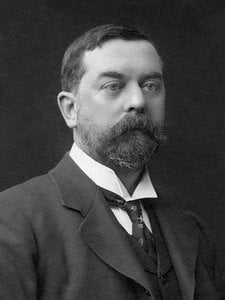
Джон Сінгер Сержант

Джон Сінгер Сержант

1856 - 1925 , Італія

Коротко про автора

  • Artistic Movement Or Style: Імпресіонізм
  • Artists Or Movements Influenced By This Artist: ['Вільям Тёрнер']
  • Artists Who Influenced This Artist:
    • Карлос-Дюран
    • Дієго Веласкес
  • Date Of Birth: 12 січня 1856
  • Date Of Death: 15 квітня 1925
  • Full Name: John Singer Sargent
  • Nationality: Американський
  • Notable Artworks:
    • Мадам X
    • Ель Халео
    • Канартія, Лілі, Лілі, Роза
  • Place Of Birth: Флоренція, Італія