Біографія митця
Early Life and Education
John Leech (1817–1864) was a celebrated Victorian caricaturist & illustrator, renowned for Punch magazine’s satirical wit and Dickens illustrations like *A Christmas Carol*. His artistic journey began in London, where he was born to parents of Irish and English descent. His father, a businessman with roots in Ireland, managed the prestigious London Coffee House on Ludgate Hill – an environment undoubtedly stimulating for a young boy developing his creative talents. Leech’s mother hailed from the Bentley family lineage, reflecting the intellectual circles prevalent during that era.
From a remarkably early age, Leech demonstrated exceptional artistic aptitude. Sculptor John Flaxman, recognizing his prodigious talent at just three years old, profoundly encouraged him to pursue art freely. Flaxman's admiration served as an impetus for Leech’s lifelong dedication to visual storytelling and social critique. He received his formative education at Charterhouse School, forging a lasting friendship with novelist William Makepeace Thackeray – a connection that would blossom into collaboration on *Punch* decades later. Initially drawn to medicine at St Bartholomew’s Hospital, Leech swiftly transitioned towards artistic pursuits, recognizing the more fulfilling path for his burgeoning creative spirit. His anatomical drawings during his medical studies stood out as evidence of his meticulous attention to detail and technical skill. He also befriended Percival Leigh, who would become a lifelong companion and collaborator in various artistic endeavors.
Career as a Caricaturist and Illustrator
Leech’s professional career commenced with etchings published in “Etchings and Sketchings by A. Pen, Esq.” (1836), establishing him as an emerging talent within the printmaking world. He quickly gained prominence through his contributions to political lithographs and sketches for publications like *Bell's Life*, skillfully blending artistic expression with social commentary. Despite ambitious efforts to illustrate Charles Dickens’ *Pickwick Papers*, Leech’s proposal was unsuccessful, overshadowed by Hablot Knight Browne’s selection as illustrator – a decision that nonetheless cemented their enduring bond.
In 1840, he began collaborating with George Cruikshank on “The Ingoldsby Legends” and “Stanley Thorn,” furthering his reputation for collaborative artistry and capturing the spirit of Victorian folklore. Leech's illustrations for Douglas William Jerrold’s “St Giles and St James” (1845) showcased his ability to portray urban life with humor and observation. However, it was arguably his four plates for Charles Dickens’ “A Christmas Carol” (1843) that solidified his artistic legacy – images imbued with compassion and capturing the essence of Victorian morality. These illustrations became instantly recognizable and continue to resonate with audiences today.
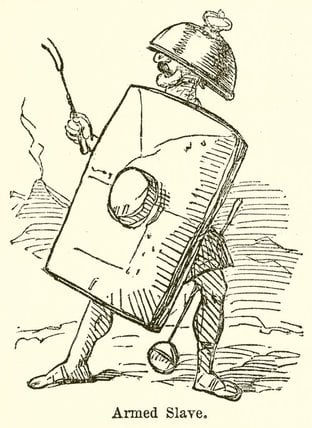
Leech's versatility extended beyond literary illustration; he tackled ambitious projects like "The Comic History of England" (1847–1848) and “The Comic History of Rome” (1852), demonstrating his mastery of historical narrative and visual storytelling techniques. He gained particular renown for depicting sporting scenes in Robert Smith Surtees’ novels during the 1850s, capturing the dynamism and excitement of Victorian leisure culture. His distinctive style—characterized by sharp wit, meticulous detail, and a subtle blend of humor and pathos—became synonymous with Punch magazine's satirical voice.
Work for Punch Magazine
John Leech achieved unparalleled fame through his association with *Punch*, a groundbreaking satirical magazine that catered to the burgeoning middle-class readership of Victorian Britain. He skillfully employed caricature, social critique, and playful humor to address pressing societal issues—from anti-American sentiment to antisemitism—while advocating for progressive reforms. Crucially, Leech’s depictions of the Crimean War profoundly impacted public opinion on heroism, warfare, and Britain's role in international affairs, shaping the visual representation of a pivotal moment in Victorian history.
Leech established enduring characters like Mr. Briggs, whose recurring appearances contributed significantly to *Punch*'s popularity and cemented his position as one of the magazine’s most beloved illustrators. His cartoons skillfully captured the absurdities of everyday life, exposing societal prejudices with astute observation and gentle humor—a hallmark of his artistic approach. Leech's unwavering commitment to social commentary and visual storytelling solidified *Punch*'s reputation for challenging conventions and fostering intellectual debate.
Style and Influences
Leech’s artistic style distinguished itself from earlier caricaturists like George Cruikshank and James Gillray, favoring a more refined aesthetic—characterized by delicate etching lines and subtle color palettes. He absorbed influences from French illustrators such as Honoré Daumier, recognizing the importance of adapting techniques to convey nuanced emotions and perspectives. Leech’s meticulous attention to detail and his ability to capture the human condition with compassion and humor reflected his profound understanding of Victorian society and its artistic sensibilities.
## Legacy and Historical Significance
John Leech remains an enduring figure in Victorian art history, celebrated for his contribution to Punch magazine's satirical tradition and his iconic illustrations of Dickens’ *A Christmas Carol*. His work continues to inspire artists today, demonstrating the lasting power of visual storytelling—particularly when infused with social conscience and intellectual curiosity. Leech’s legacy transcends mere artistic achievement; he embodies the spirit of Victorian innovation and serves as a testament to the transformative potential of art in shaping public discourse and fostering cultural understanding.