Продавайте своє мистецтво
x
Переглянути в інтер'єріПереглянути в інтер'єрі Примірка в ARПримірка в AR Перейти до друку Перейти до друкуПерейти до замовлення ручного розпису Перейти до замовлення ручного розпису НадіслатиНадіслати
ДеталіДеталі Додати до улюблених Додати до улюблених ЗавантажитиЗавантажити Схожі експонатиСхожі експонати Рентгенівське дослідженняРентгенівське дослідження Слайд-шоуСлайд-шоу

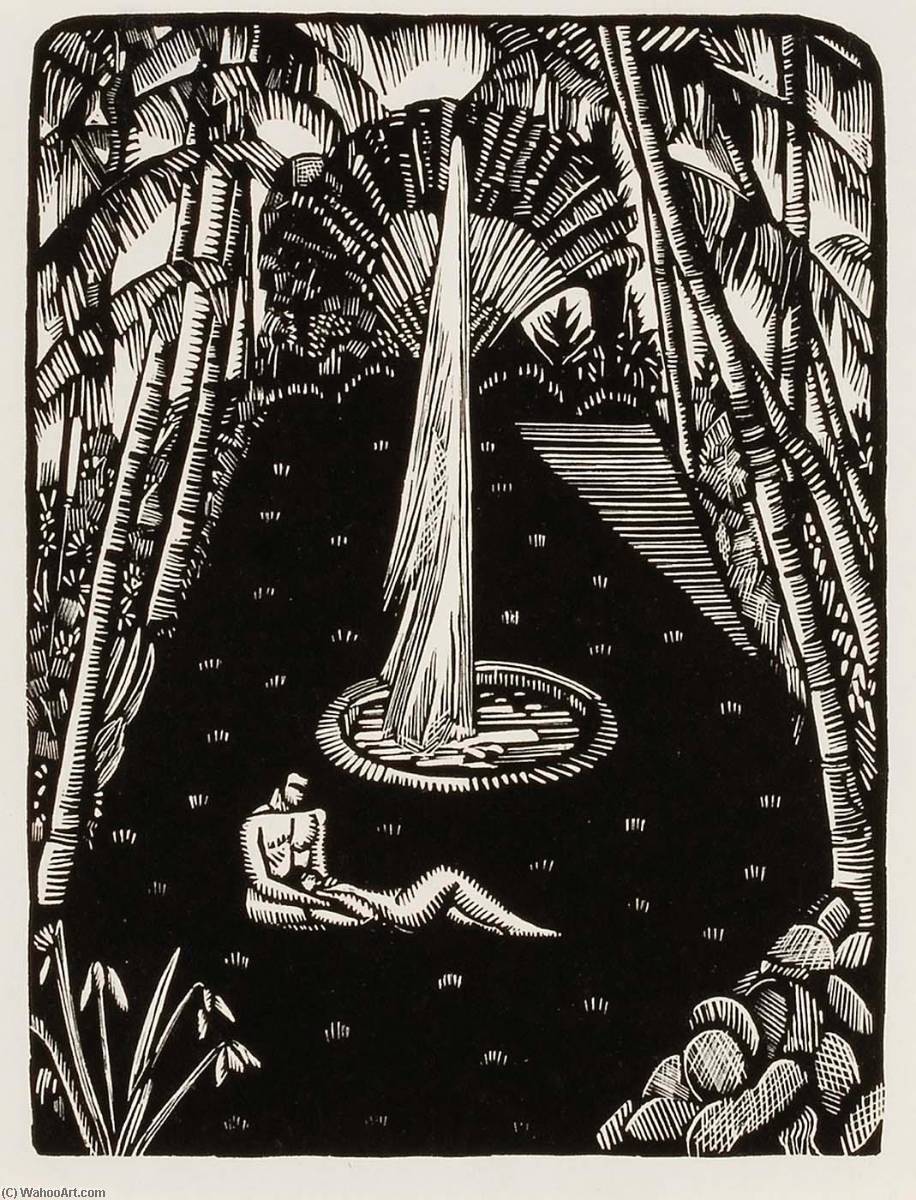
Untitled

Discover John Francis Murphy, a pioneering Tonalist landscape painter known for evocative 'Indian Summer' scenes & light-infused works. Explore his legacy!

Придбайте цифрову копію високої роздільної здатності з покращеною якістю, що значно перевершує онлайн-перегляд.

Кожен файл ретельно підготовлений нашими фахівцями за допомогою сучасних інструментів та професійної ручної ретуші. Ми гарантуємо виняткову чіткість, точну передачу кольору та високу деталізацію кожного зображення.

Фінальний файл надсилається електронною поштою протягом 72 годин і оптимізований для негайного використання у професійних виданнях та друкованих матеріалах. Таку якість обирають провідні дизайнерські студії, видавництва та галереї.

Цифрове зображення

Завантажте файл високої роздільної здатності для особистого перегляду, друку та творчих проєктів. (Перейти до друку Перейти до друкуПерейти до замовлення ручного розпису Перейти до замовлення ручного розпису)

Загальна вартість

$9.99

Що входить у кожне замовлення цифрових зображень

Професійна цифрова доставка з гарантією якості

Обираючи WahooArt.com, ви отримуєте не просто зображення — ви отримуєте професійно вдосконалений цифровий витвір мистецтва, створений з надзвичайною точністю та підкріплений гарантією задоволення. Ось усе, що автоматично додається до вашого замовлення:

shipping_icon
Швидка доставка на email

Ваш цифровий файл із зображенням високої роздільної здатності буде надісланий вам електронною поштою протягом 72 годин після оформлення замовлення — він буде готовий до негайного використання.

canvas_icon
Цифровий файл із покращенням ШІ

Ваш витвір мистецтва професійно оптимізовано за допомогою передових інструментів штучного інтелекту та ручної корекції, що забезпечує максимальну деталізацію, чіткість і точність передачі кольорів.

insurance_icon
Безкоштовне повторне завантаження назавжди

Випадково видалили або втратили файл? Не хвилюйтеся — ми надішлемо його вам повторно в будь-який час безкоштовно.

tax_icon
Без митних зборів — завжди

Насолоджуйтесь вашим витвором мистецтва миттєво без жодних мит, зборів або плати за доставку — цифрові завантаження завжди не оподатковуються.

color_icon
Гарантія точності кольорів

Ми гарантуємо максимально точне відтворення оригінальних кольорів на вашому цифровому зображенні завдяки використанню професійних інструментів та систем управління кольором.

return_icon
Гарантія задоволення протягом 60 днів

Якщо ви не задоволені придбаним цифровим зображенням, ми відкоригуємо його або повернемо 100% вартості протягом 60 днів — без жодних запитань.

guarantee_icon
Гарантія повернення 100% коштів

Не задоволені покупкою? Отримайте повне повернення коштів протягом 60 днів після отримання цифрового файлу — без жодних запитань.

discount_icon
Знижки на оптові замовлення

Купуйте 3 зображення — заощаджуйте 10% — Купуйте 5 — заощаджуйте 15% — Купуйте 10+ — заощаджуйте 20%. Чудово підходить для творчих проєктів, галерей та агентств.


Біографія митця

The Evocative Landscapes of John J. A. Murphy: Capturing the American Light

John J. A. Murphy, a name perhaps less celebrated than some of his contemporaries, nevertheless occupies a significant place in the narrative of late 19th and early 20th-century American landscape painting. Emerging from the Tonalist movement, Murphy dedicated his artistic life to capturing the subtle beauty and fleeting atmospheric effects of the rural American countryside, particularly those imbued with the golden light of autumn – scenes he often referred to as ‘Indian Summer’ paintings. While biographical details remain somewhat sparse, the power and resonance of his work speak volumes about a keen observer deeply connected to the natural world and skilled in translating its poetry onto canvas.

Early Life and Artistic Development

Information regarding Murphy's early life is limited; he appears as a figure who prioritized the act of painting over self-promotion or extensive documentation. What *is* known suggests a dedication to art from an early age, likely fostered by a growing national interest in landscape as a uniquely American subject matter following the Civil War. The post-war era saw a desire to define a distinctly American artistic identity, moving away from strict European academic traditions and embracing the beauty of the nation’s own vistas. Murphy absorbed these influences, developing a style that blended meticulous realism with an atmospheric sensibility. He wasn't formally trained in Europe like many of his peers; instead, he honed his skills through observation and practice, becoming adept at rendering light and shadow to create mood and evoke emotion. His early works demonstrate a clear understanding of perspective and composition, but it is the growing emphasis on tonal values – the delicate gradations of color that define form and atmosphere – that foreshadows his mature style.

The Tonalist Aesthetic and ‘Indian Summer’ Scenes

Murphy became closely associated with the Tonalist movement, a loosely defined group of artists who favored subdued palettes, soft focus, and evocative moods. Artists like George Inness and Albert Pinkham Ryder were key figures in this aesthetic, emphasizing subjective experience over literal representation. Murphy embraced these principles wholeheartedly, but he carved out his own niche within the movement by focusing on the specific light and atmosphere of autumn in rural America. His ‘Indian Summer’ paintings are not merely depictions of landscapes; they are meditations on time, memory, and the ephemeral beauty of nature. He masterfully captured the hazy golden light filtering through trees, the stillness of water reflecting the sky, and the sense of quiet contemplation that pervades these scenes. These works often feature a limited color palette dominated by browns, golds, greens, and grays, creating a harmonious and melancholic effect. The symbolism inherent in autumn – decay, transition, and reflection – is subtly woven into his compositions, inviting viewers to contemplate the passage of time and the beauty found within impermanence.

Technique and Influences

Murphy’s technique was characterized by a meticulous attention to detail combined with a remarkable sensitivity to light and color. He employed a glazing technique – applying thin layers of transparent paint over underlying colors – to create depth, luminosity, and subtle tonal variations. This method allowed him to build up complex atmospheric effects and capture the nuances of light reflecting off water, foliage, and distant hillsides. While he didn’t explicitly adhere to Impressionist principles, there is a shared interest in capturing fleeting moments and the subjective experience of light. However, Murphy's work differs from Impressionism in its emphasis on mood and atmosphere rather than pure optical effects. He was also influenced by earlier landscape painters like the Hudson River School artists, particularly their attention to detail and sense of grandeur, but he moved away from their dramatic compositions towards a more intimate and contemplative approach. His palette, while subdued, reveals a sophisticated understanding of color theory and its ability to evoke emotion.

Legacy and Historical Significance

Although not widely recognized during his lifetime, John J. A. Murphy’s work has experienced a resurgence in recent years as scholars and collectors have rediscovered the beauty and significance of Tonalist painting. His ‘Indian Summer’ scenes offer a poignant glimpse into a vanishing rural America, capturing a sense of tranquility and connection to nature that resonates deeply with contemporary audiences.
  • His paintings provide valuable insights into the aesthetic sensibilities of late 19th and early 20th-century America.
  • Murphy’s dedication to capturing atmospheric effects influenced subsequent generations of landscape painters.
  • He stands as a testament to the power of observation, skill, and artistic vision in creating works that transcend mere representation.
His legacy lies not only in the beauty of his paintings but also in their ability to evoke a sense of nostalgia, contemplation, and appreciation for the subtle wonders of the natural world. He remains an important figure in understanding the development of American landscape painting and its enduring appeal.