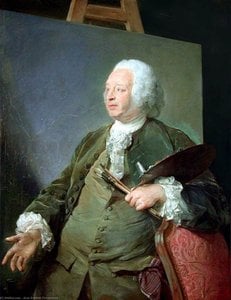
Jean-Baptiste Pater: The Sole Pupil of Watteau
Jean-Baptiste Pater (December 29, 1695 – July 25, 1736) є унікальною фігурою в історії французького рококового мистецтва – єдиним задокументованим учнем Антуана Ватто, який часто вважається найвидатнішим художником цього руху. Народившись у Валансієні, Франція, мистецький шлях Патера розпочався під керівництвом його батька-скульптора, Антоїна Патера, що сприяло ранній оцінці форми та майстерності, які вплинули на його подальші зусилля. Однак саме Ватто безпосередньо сформував бачення Патера, встановивши стосунки, позначені як захопленням, так і певним дискомфортом – динаміку, яка в кінцевому підсумку призвела до того, що він став одним з найвпливовіших художників свого часу.
Раннє навчання та впливи: Формуючими роками Патера були ті, коли він удосконалював свої навички під керівництвом Антоїна Патера, поглиблюючи знання основ скульптури, перш ніж розпочати свої художні дослідження з Жан-Баптистом Гіде. Це початкове забарвлення виявилося неоціненним, коли він пізніше шукав наставництва у Ватто в Парижі (1713 рік), де витончений стиль старшого художника – характеризувався ніжними пастельними кольорами та ефірними блискучими лініями – негайно зачарував молодого Патера.
The Watteau Connection
Вплив Ватто поширився не лише на стилістичну імітацію; він проник у концептуальну основу Патера. Незважаючи на те, що темперамент Ватто був відомий своєю складністю, Патер визнавав глибоке розуміння атмосфери та емоцій майстра, які наполегливо прагнув відтворити у своїй роботі. Коротке співробітництво між цими двома художниками зміцнювало спадщину Ватто як керівну силу Патера.
Ватто не просто наслідував стиль; він вплинув на спосіб мислення Патера. Його прагнення до передачі атмосфери, світла та емоцій було безпосередньо пов'язане з роботами Ватто. Патер цінував не лише техніку, але й філософію, яку пропонував його наставник.
Rococo Style & Technique
Мистецький стиль Патера втілив у собі естетику рококо – святкування елегантності, грайливості та відчуття. Він майстерно використовував традиційні пастельні кольори та створював блискучі лінії з вражаючою точністю. Цей винятковий підхід передує пізнішим дослідженням Франческо Гарді щодо атмосферної перспективи, демонструючи гостре спостережливе вміння Патера.
Його роботи відрізняються легкістю та витонченістю, що є характерними для рококо. Він використовував світлі пастельні тони, щоб створити відчуття легкості та повітряності, а блискучі лінії додавали зображенням виразності та динаміки.
Notable Works & Patronage
Мистецьке творче бачення Патера зосереджено на *fête galantes* – ідилічних сценах, що зображують аристократичні збори серед садів або пейзажів – жанр, який пропагував Ватто та досконало розвинув Патер. Його найвідоміші полотна включають “Розмову в саду” (Conversation Galante), захоплююче зображення витончених соціальних взаємодій у затіненому світлі, яке передає суть рококового прагнення до краси та грації. Ще одним значним досягненням є "Пейзаж з возів" ("Landscape with a Cart"), який демонструє здатність Патера передавати тонкі нюанси текстури та кольору – твір, який вважається провісником пізніших експериментів Гарді щодо атмосферної перспективи.
Він також отримав значну славу завдяки портретним замовленням для Фрідріха II, короля Пруссії – зокрема “Східний султан” та “Султан у саду”. Ці портрети демонструють майстерність Патера у зображенні царської величі та передачі психологічних складнощів своїх моделей, зміцнюючи його репутацію як придбаного художника.
Legacy & Artistic Significance
Наслідування Патера в історії французького рококового мистецтва непереконливе. Він є ключовою фігурою у передачі духу свого часу, втілюючи стилістичні інновації Ватто, водночас формуючи власний винятковий художній голос. Його майстерна техніка та емоційно насичені композиції продовжують надихати шанувальників мистецтва та дослідників, що є свідченням його стійкої спадщини як одного з найвидатніших художників Франції XVIII століття.



 Переглянути в інтер'єрі
 Switch to Print
 Надіслати як листівку
 Поділитися
 Детальніше

 Завантажити
 Схожі експонати
 Рентгенівське дослідження
 Слайд-шоу
 Stats
Stats


 Читати далі






































 Скляний варіант доступний лише для розмірів до 110 см