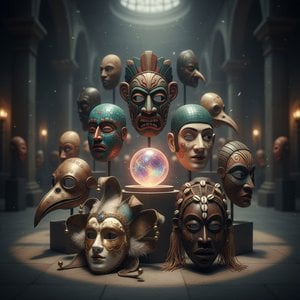
A Life Immersed in Masks and Shadows: The World of James Ensor
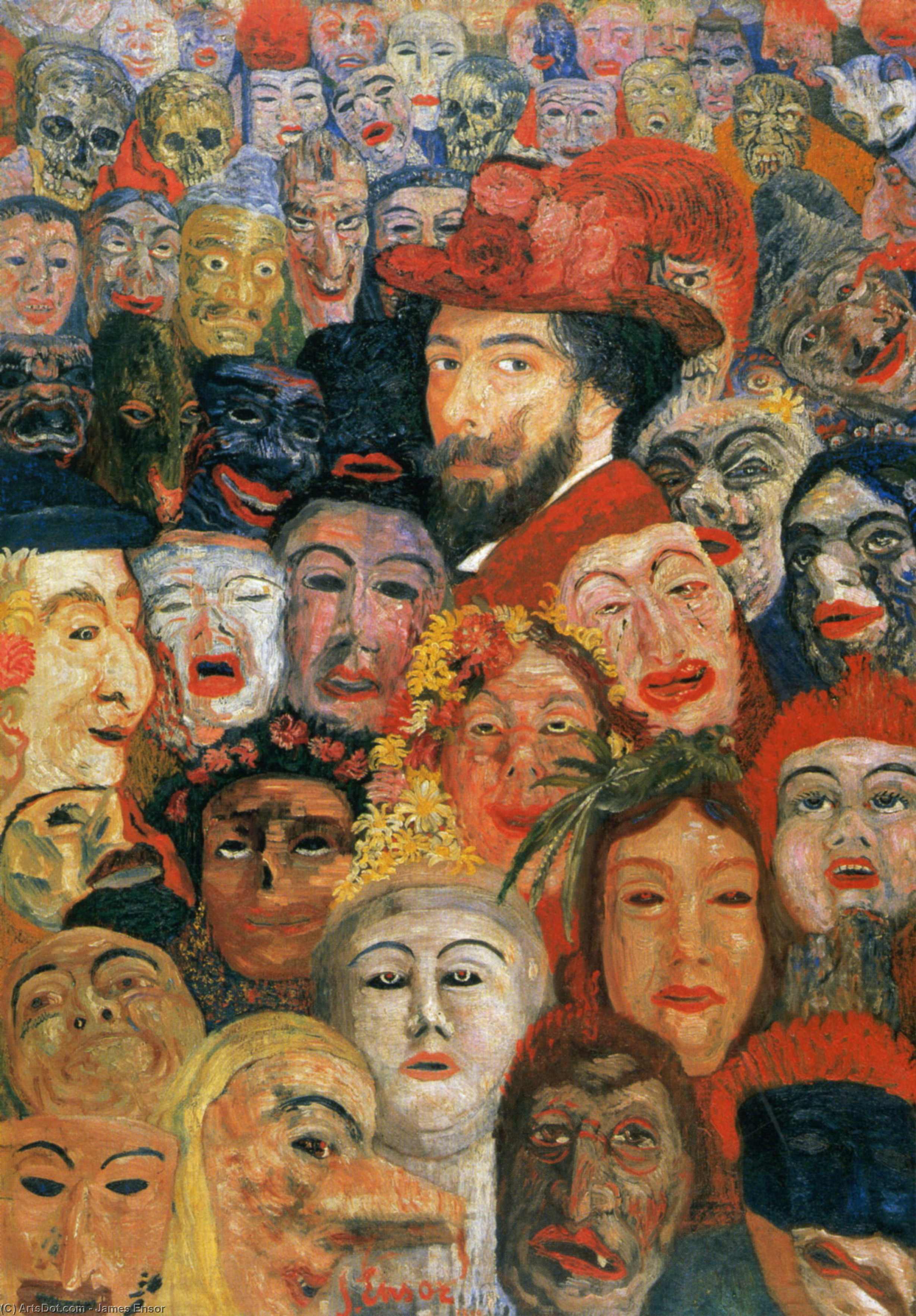
James Sidney Edouard Ensor, Baron Ensor (13 квітня 1860 – 19 листопада 1949), був бельгійським живописцем і гравуристом, важливим впливом на експресіонізм та сюрреалізм, який більшу частину свого життя прожив в Остенде. Він був пов’язаний з мистецькою групою Les XX. (джерело: http://en.wikipedia.org/wiki/James_Ensor) Його творчість характеризується глибоким дослідженням тем маскування, смерті, соціальної критики та людської психології, часто представлених у моторопливому та театральному стилі.
Народжений в Остенде, Бельгія, в 1860 році, Джеймс Сайді Едвард Енсор виник з захоплюючої суміші культур – його батько був англійцем, а мати – бельгійкою. Ця подільність, можливо, провідомила майбутню захопленість художника масками та маскарадними костюмами, які стали домінуючою темою в його творчості. Зроставши серед гамірної енергії приморського курорту, молодий Джеймс глибоко був вражений атмосферою карнавалів і дивних речей. Його батьки керували сувенірною крамницею, де продавалися ракушки, маски з карнавалу та дивні предмети – справжня кабінет дивац, який запалив його уяву та забезпечив багатий візуальний словник для майбутніх творів. Спочатку неохоче приймаючи традиційні академічні прагнення, Енсор врешті-решт записався до Королівської Академії Мистецтв у Брюсселі, але жорстка структура там задушила його розвиваючусь мистецьку візію. Він швидко зрозумів, що йому потрібно створити власний шлях, який би вивів його далеко за межі звичайних меж.
From Somber Realism to Grotesque Visions
Ранні картини Енсора відображали більш традиційний підхід, зображуючи сцени повсякденного життя в похмурих тонах. Роботи, такі як *Російська музика* (1881) та *Скутелі* (1883), демонструють талановитого новачка, який боровся з реалізмом, але навіть у цих ранніх творах присутні натяки на моторошне зображення, що мало прийти. Перелом стався, коли палітра Енсора пожвавлювалася, а тема картин ставала все більш дивною. Він почав населяти свої полотна карнавалами, скелетами, ляльками та алегоричними фігурами – світом, пронизаним фантазією і часто межуючим з гротескністю. Це не було просто стилістична зміна; це був навмисний пошук темних аспектів людського існування, відмова від соціальних норм та прийняття ірраціонального. Його стиль одразу став впізнаваним завдяки сміливим малюнкам, яскравим кольорам і театральності – візуальній мові, яка була унікальною для нього.
Masterpieces of Disquiet: Key Works and Recurring Themes
Навесні 1883 року Енсор створив *Маски, що здивували* (The Scandalized Masks), який став одним із перших свідчень його захоплення силою маскування та його здатністю розкривати приховані емоції. Його найсуперечливіша робота – *Вхід Христа в Брюссель* (1888-1889) – залишається потужним сатирою на релігійну гіпнотизацію та соціальну байдужість, картина, яка спочатку була зустрічена жорсткою критикою, але тепер вважається шедевром. Моторошне зображення Христа, що входить у місто, яке кишить маскованими фігурами, є потужним коментарем до розриву між духовними ідеалами та людською поведінкою. *Скелети, що борються за висіченого чоловіка* (1891) пропонує сувору роздуму про смерть, розпад та абсурдність життя, а *Трощіння святого Антонія* (1887) досліджує складні алегоричні теми спокуси, гріха та духовної боротьби. Повторюються в його роботах дослідження смерті, соціальної критики, релігійної сатири та безмежної сили уяви – теми, які резонують з часом.
A Pioneer of Modernism: Influences and Legacy
Хоча Енсор чинила опір легкій категоризації, його мистецьке походження є складним і захоплюючим. Він визнавав вплив таких майстрів, як Пітер Брюггель Старший, чиї переповнені сцени та моралізаторські історії резонували з його власною візією, а також Франциска Гоя, чия темна гумор і безкомпромісне зображення людського страждання залишили слід. Джеймс Еббот Макнейл Уітслер’с акцент на естетизмі також відіграв роль у формуванні його мистецьких почуттів. Однак Енсор не був просто наслідувачем; він синтезував ці впливи в щось абсолютно нове та оригінальне. Він зараз широко визнається як ключова фігура в переході від символізму 19-го століття до раннього експресіонізму та сюрреалізму – справжній піонер сучасного мистецтва. Його сміливий пошук підсвідомості, прийняття гротескних зображень і відмова від академічних норм заклали шлях для майбутніх поколінь художників, які наважувалися кидати виклик мистецьким нормам.
James Ensor - Key Facts
- Назва: Джеймс Енсор
- Дата народження: 13 квітня 1860 року
- Місце народження: Остенде, Бельгія
- Дата смерті: 19 листопада 1949 року
- Національність: Бельгійський
- Основні роботи: *Маски, що здивували*, *Вхід Христа в Брюссель*, *Скелети, що борються за висіченого чоловіка*, *Трощіння святого Антонія*


 Переглянути в інтер'єрі
 Switch to Print
 Надіслати як листівку
 Поділитися
 Детальніше

 Завантажити
 Схожі експонати
 Рентгенівське дослідження
 Слайд-шоу
 Stats
Stats

 Читати далі






































 Скляний варіант доступний лише для розмірів до 110 см