Переглянути в інтер'єріПереглянути в інтер'єрі Перегляд в ARПерегляд в AR Замовити репродукцію ручної роботи Замовити репродукцію ручної роботиПерейти до цифрових зображень Перейти до цифрових зображень Надіслати як листівкуНадіслати як листівку
ДетальнішеДетальніше Додати до улюблених Додати до улюблених ЗавантажитиЗавантажити Схожі експонатиСхожі експонати Рентгенівське дослідженняРентгенівське дослідження Слайд-шоуСлайд-шоу СтатистикаСтатистика

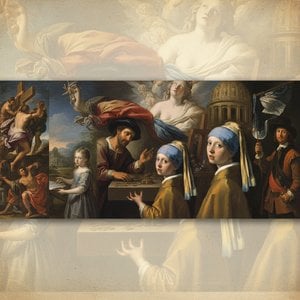
The Flight into Egypt

Тінторетто – видатний венеціанський художник епохи Ренесансу та Бароко, відомий драматичними композиціями, динамічним стилем ('Il Furioso') та новаторським використанням світла та перспективи. Відкрийте для себе його шедеври!

Гікле / Художній принт

Музейна якість друку جيкле або на полотні з оперативним виготовленням та різноманітними варіантами фінішної обробки. (Замовити репродукцію ручної роботи Замовити репродукцію ручної роботиПерейти до цифрових зображень Перейти до цифрових зображень)

P118B $10
P118H $10
P118W $10
P438Z $10
P508JH $12
P508YH $12
P805H $10
P805Z $10
P919BZ $10
P919G $10
P919XJ $10
P959ZH $10
P968JZ $12
W106C $8
W218G $10
W218JH $8
W218Y $10
W307PJ $10
W316G $10
W316PJ $8
W316Y $10
W398PJ $8
W4111J $10
W500HY $15
W500JH $15
W692G $12
W849H $8
W940BG $15
W953PJ $8

Стандартний розмір
індивідуальний
CM
INCH

Обирайте з наших стандартних розмірів, що відповідають оригінальним пропорціям твору мистецтва.

ширина
висота

Ви можете вказати власні розміри, щоб репродукція ідеально підійшла до конкретної рами або інтер'єру. Якщо обраний вами розмір не відповідає пропорціям оригіналу, ми або обріжемо полотно, або розширимо зображення за допомогою дзеркального відображення чи суцільної заливки країв. Перед початком виробництва вам буде надіслано цифровий макет для затвердження.
Будь ласка, зверніть увагу, що попередній перегляд на екрані не відображає фактичне обрізання або розширення. Тільки макет точно покаже фінальну композицію.
Хоча можливість замовлення індивідуальних розмірів доступна, ми рекомендуємо обирати формат із попередньо визначеного списку, щоб зберегти оригінальні пропорції.

Доставка по всьому світу () за 2 тижні замість стандартних 4/5 тижнів. (9 Вересень)

why_choose_icon
Безкоштовна експрес-доставка по всьому світу
why_choose_icon
Високоякісне лляне полотно
why_choose_icon
Повне страхове покриття доставки
why_choose_icon
Гарантія відшкодування митних зборів
why_choose_icon
Гарантія точного відтворення кольорів
why_choose_icon
Політика повернення протягом 100 днів (тільки у разі виявлення дефектів)
why_choose_icon
Гарантія повернення 100% коштів
why_choose_icon
Пропозиція на оптові замовлення

Загальна вартість

$ 68

reproduction

The Flight into Egypt

Гікле / Художній принт

Розмір репродукції

-

Підсумкова вартість

$ 68

Основна інформація

  • Dimensions: 422 x 580 cm
  • Subject or theme: Biblical Narrative
  • Medium: Oil on canvas
  • Year: 1582
  • Notable elements or techniques: Dramatic lighting, dynamic composition
  • Artist: Jacopo Tintoretto
  • Title: The Flight into Egypt

A Dramatic Escape: Tintoretto’s “The Flight into Egypt”

Tintoretto's "The Flight into Egypt," completed in 1582, isn’t merely a depiction of biblical narrative; it’s an immersive experience—a testament to the Venetian painter’s mastery of dramatic lighting and psychological depth. Executed during the High Renaissance’s waning years and transitioning into the Baroque fervor, this monumental canvas captures a pivotal moment from Christianity: Mary Magdalene, Joseph, and Jesus fleeing Jerusalem under threat of persecution. The sheer scale of the artwork – measuring 422 x 580 cm – immediately commands attention, transporting viewers into the turbulent atmosphere of the scene.

Style and Technique: Baroque Dynamism Unleashed

Tintoretto’s signature style is instantly recognizable—a breathtaking blend of realism and theatrical illusion. Unlike his predecessors who favored serene compositions, Tintoretto prioritized movement and dynamism. He achieved this through masterful use of chiaroscuro – the dramatic interplay between light and shadow – creating an unsettling yet captivating visual experience. Observe how the artist sculpts form with light; figures emerge from darkness as if illuminated by an unseen divine force, conveying a palpable sense of urgency and vulnerability. The brushstrokes themselves are bold and energetic, layering colors to build up texture and depth, pushing boundaries of conventional painting techniques. This innovative approach distinguishes Tintoretto from many contemporaries and cemented his reputation as one of the foremost artists of his time.

Historical Context: Religious Piety Amidst Turbulent Times

The painting’s genesis lies within a period marked by significant religious upheaval. The Protestant Reformation was reshaping Europe, challenging papal authority and sparking intense debates about faith and dogma. Venetian art responded to these anxieties with works that reaffirmed Catholic piety and celebrated the Virgin Mary's unwavering devotion. “The Flight into Egypt” reflects this spirit—a poignant portrayal of maternal protection amidst danger—serving as a visual meditation on themes of faith, sacrifice, and divine providence. It’s important to note Tintoretto’s work was commissioned by Cardinal Giovanni Bembo, reflecting the patronage system prevalent in Venice during the Baroque era and highlighting the importance of religious iconography within aristocratic circles.

Symbolism: Birds Represent Hope Amidst Darkness

Beyond its narrative depiction, “The Flight into Egypt” is rich in symbolic imagery. The three birds soaring above Mary and Jesus are particularly noteworthy. Traditionally interpreted as representing the Holy Spirit—a symbol of divine guidance and protection—they punctuate the darkness with flashes of light, reinforcing the overarching theme of hope amidst adversity. Furthermore, the positioning of Mary cradling Jesus symbolizes maternal care and unwavering faith – qualities revered throughout Christian tradition. The artist’s deliberate use of visual cues elevates the painting beyond a simple retelling of scripture, inviting contemplation on profound spiritual concepts.

Emotional Impact: Capturing Vulnerability and Divine Grace

Ultimately, Tintoretto succeeds in conveying an overwhelming emotional response. The viewer is drawn into the scene's palpable tension—the fear etched on Mary’s face, the resolute determination of Joseph—creating a visceral connection to the characters’ plight. Yet, amidst this anxiety lies an undeniable sense of grace; Jesus remains calm and serene within Mary’s embrace, embodying innocence and divine compassion. Tintoretto’s masterful manipulation of light and color amplifies these emotions, leaving an indelible impression on the observer. “The Flight into Egypt” continues to resonate with audiences today as a powerful reminder of faith's enduring capacity for resilience and beauty.

Біографія митця

A Venetian Master of Drama and Light

Jacopo Tintoretto, born Jacopo Robusti in Venice around 1518, remains one of the most compelling and enigmatic figures of the High Renaissance and early Baroque periods. His very nickname, “Tintoretto” – little dyer – speaks to his family’s trade, yet it belies the immense artistry that would distinguish him from all others. Unlike many artists who benefited from structured apprenticeships, Tintoretto's path was largely self-directed, fueled by an insatiable curiosity and a relentless drive for innovation. While accounts suggest a brief and unsuccessful stint under Titian, the acknowledged master of Venetian colorism, it seems the experience proved more contentious than formative. Titian’s alleged dismissal of the young Jacopo – whether due to jealousy or artistic disagreement – spurred Tintoretto toward an independent course, one characterized by audacious experimentation and a uniquely dynamic style. He immersed himself in anatomical study, reportedly through dissection, and honed his skills by meticulously copying classical sculpture and the works of other masters. This dedication laid the foundation for a career that would redefine Venetian painting.

Forging a Distinctive Style: *Il Furioso*

Tintoretto’s artistic development was marked by an almost feverish energy, earning him another evocative nickname: *Il Furioso* – “the Furious One.” This moniker wasn't merely descriptive of his working pace but also captured the intensity and emotional charge that permeated his canvases. His early works already hinted at a departure from traditional Venetian conventions. While acknowledging Titian’s influence in color, Tintoretto gravitated towards Michelangelo’s powerful figures and dramatic compositions. He synthesized these influences into something entirely new: a style characterized by elongated forms, swirling draperies, and an innovative use of perspective that often created a sense of dizzying depth and movement. He abandoned the meticulous finish favored by his contemporaries, opting instead for a rapid, almost sketch-like brushstroke that conveyed immediacy and raw emotion. This technique, combined with his masterful manipulation of light and shadow – *chiaroscuro* – allowed him to create scenes of unparalleled drama and psychological intensity. He wasn’t simply depicting events; he was conveying their emotional core. His compositions were often asymmetrical and dynamic, filled with movement and a sense of urgency, reflecting the turbulent spirit of his time.

Monumental Achievements: San Rocco and Beyond

Tintoretto's prodigious output spanned decades, encompassing religious narratives, historical allegories, and portraits. However, his most significant achievement lies in the cycle of paintings he created for the Scuola Grande di San Rocco, a Venetian confraternity dedicated to Saint Roch. Over a period of more than fifty years, Tintoretto adorned the Scuola’s halls with over sixty canvases, transforming it into a breathtaking visual testament to faith and human experience. Works like “The Last Supper,” completed late in his life, demonstrate his continued experimentation with perspective and composition. Departing from traditional depictions, Tintoretto placed the scene in a dramatically lit, architecturally unstable space, emphasizing the emotional turmoil of Christ’s final meal with his disciples. Other notable works include “The Miracle of Saint Mark Freeing the Slave,” a powerful display of dynamic composition and foreshortening, and numerous paintings for Venetian churches and palaces that showcase his mastery of scale and narrative storytelling. These monumental projects cemented Tintoretto's reputation as one of Venice’s most important artists.

Influences and Artistic Connections

Tintoretto’s artistic journey was shaped by a complex interplay of influences. While Titian undoubtedly provided an initial foundation in color and technique, it was Michelangelo who profoundly impacted his approach to composition and figure design. The dynamism and emotional intensity of the Renaissance master resonated deeply with Tintoretto, inspiring him to create works characterized by dramatic gestures, powerful musculature, and a sense of overwhelming energy. He also studied classical sculpture extensively, absorbing its principles of form and proportion. Furthermore, he was influenced by the work of Venetian artists such as Paolo Veronese, whose opulent style provided a contrast to Tintoretto’s more raw and expressive approach. It's important to note that Tintoretto maintained a complex relationship with his peers, often engaging in spirited debates about artistic merit and technique.

Legacy and Historical Significance

Jacopo Tintoretto died in Venice in 1594, leaving behind a vast and influential body of work. He bridged the gap between the High Renaissance and the Baroque period, anticipating many of the stylistic innovations that would define the latter. His dramatic compositions, expressive brushwork, and innovative use of light and shadow profoundly influenced artists such as Caravaggio, Rembrandt, and Delacroix. He wasn’t merely a painter; he was a visual storyteller who understood how to harness the power of art to evoke emotion and inspire awe. As one of the three great Venetian painters of the 16th century – alongside Titian and Paolo Veronese – Tintoretto played a crucial role in shaping the artistic landscape of Venice during its golden age. His work reflects not only the religious fervor and political tensions of his time but also a uniquely personal vision that continues to resonate with audiences today, solidifying his place as one of history’s most important and captivating artists. His legacy is a testament to the enduring power of artistic innovation and the transformative potential of human creativity.

Тінторетто

Тінторетто

1518 - 1594 , Італія

Короткі факти

  • Artistic Movement Or Style: Ренесанс, Манієризм
  • Artists Or Movements Influenced By This Artist: ['Карвавьо, Барокові майстри']
  • Artists Who Influenced This Artist:
    • Тіціан
    • Мікеланджело
  • Date Of Birth: 1518
  • Date Of Death: 1594
  • Full Name: Jacopo Robusti
  • Nationality: Італійський
  • Notable Artworks:
    • Дивовання святого Марка
    • Останній спас
    • Входження Богородиці
  • Place Of Birth: Венеція, Італія
Досліджуйте твори мистецтва, впорядковані за темами, стилями та характеристиками.